Vision correction with less pain and fast recovery
BGN LASIK
A vision correction procedure in which a corneal flap is created and lifted,
then a laser precisely reshapes only the corneal stroma.
- Femtosecond laser flap
- Little to no pain
- Back to daily life the next day


LASIK
Every eye has a different curvature. When correcting vision,
calculating that curvature and removing only the minimum tissue means faster recovery and more stable vision.


What is LASIK?
LASIK is surgery in which a thin flap about 20mm in size is created on the corneal surface and lifted,
then a laser reshapes the corneal stroma to permanently correct vision.
Because the corneal epithelium is not removed, there is less pain and recovery is relatively fast,
but care is needed so that the flap is not damaged by external impact.

LASIK Procedure
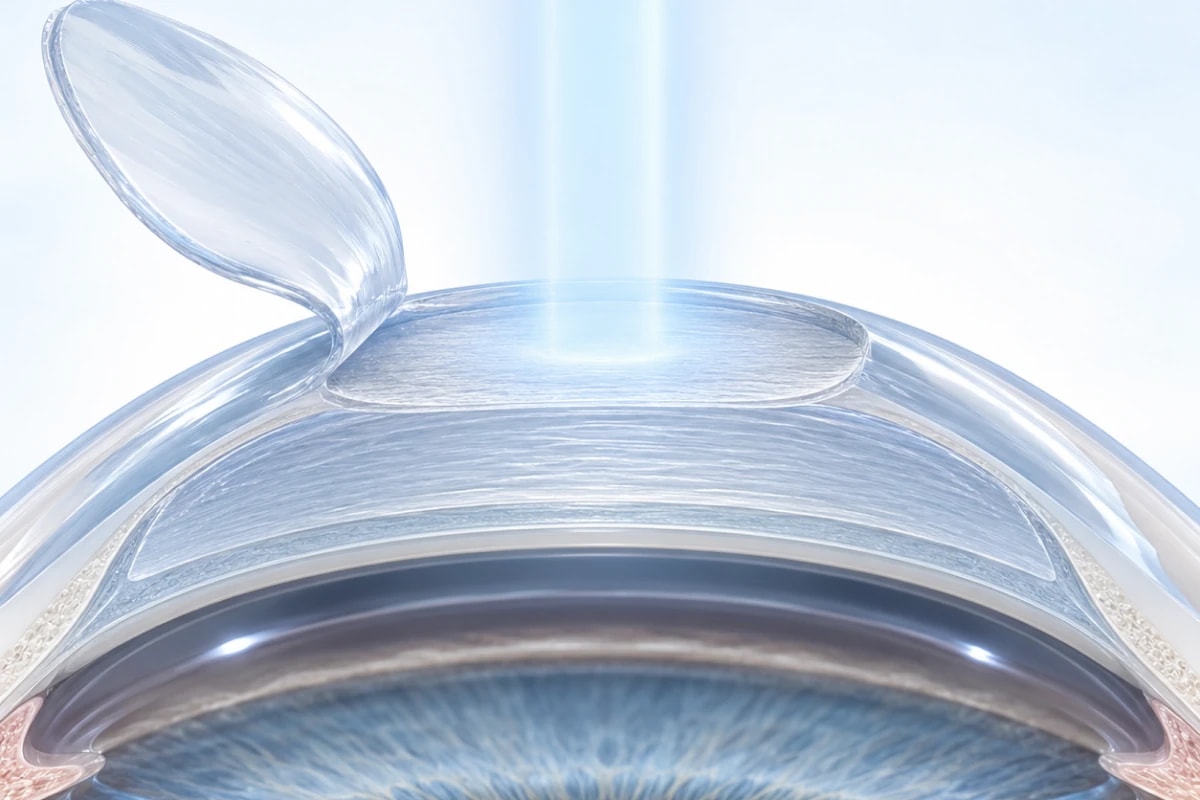
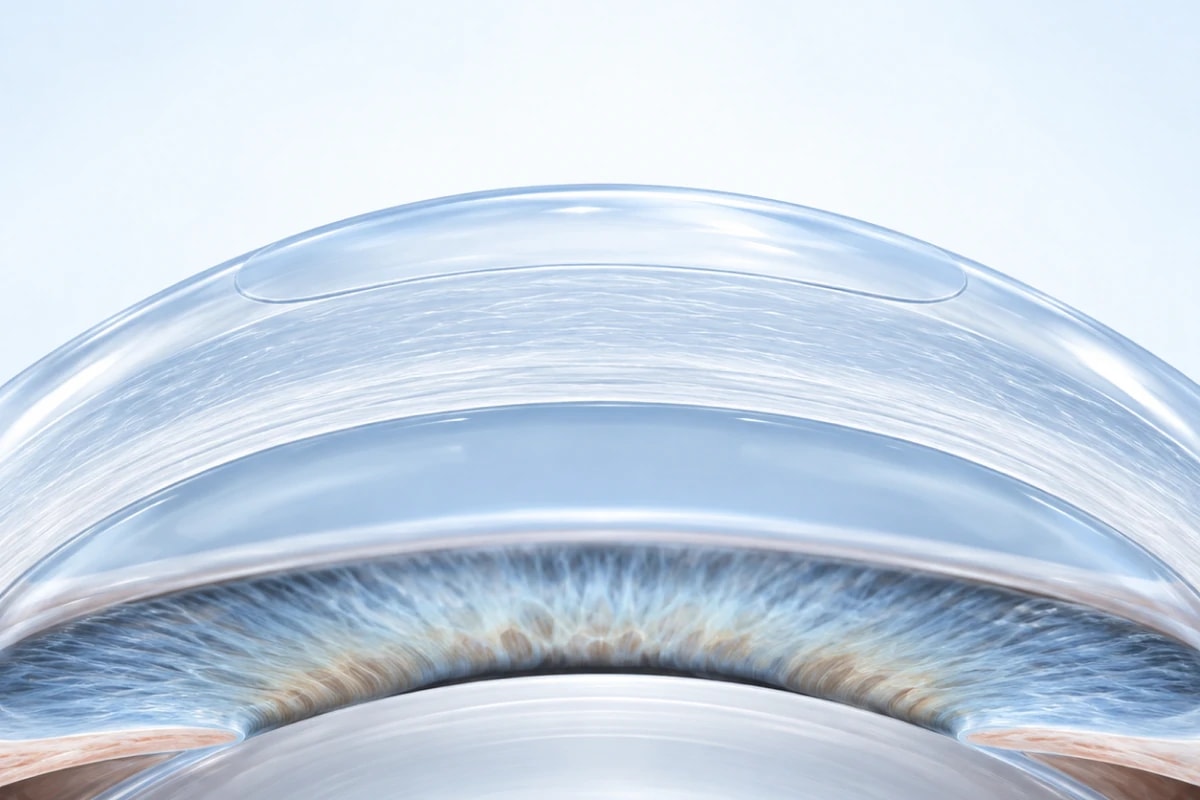
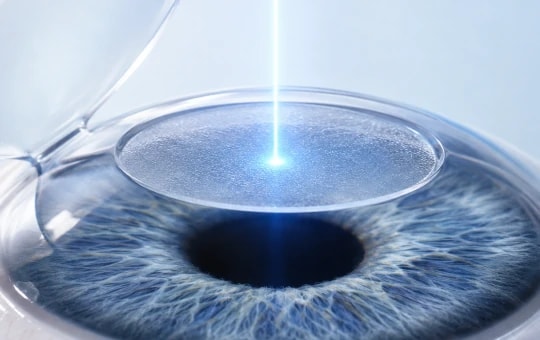
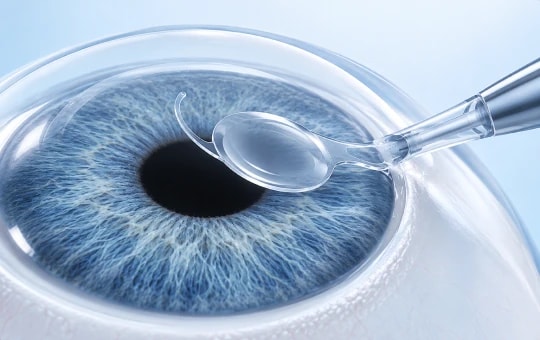
In LASIK, a flap is created and lifted,
an excimer laser is applied to the stroma to correct vision, and the flap is then put back in place.
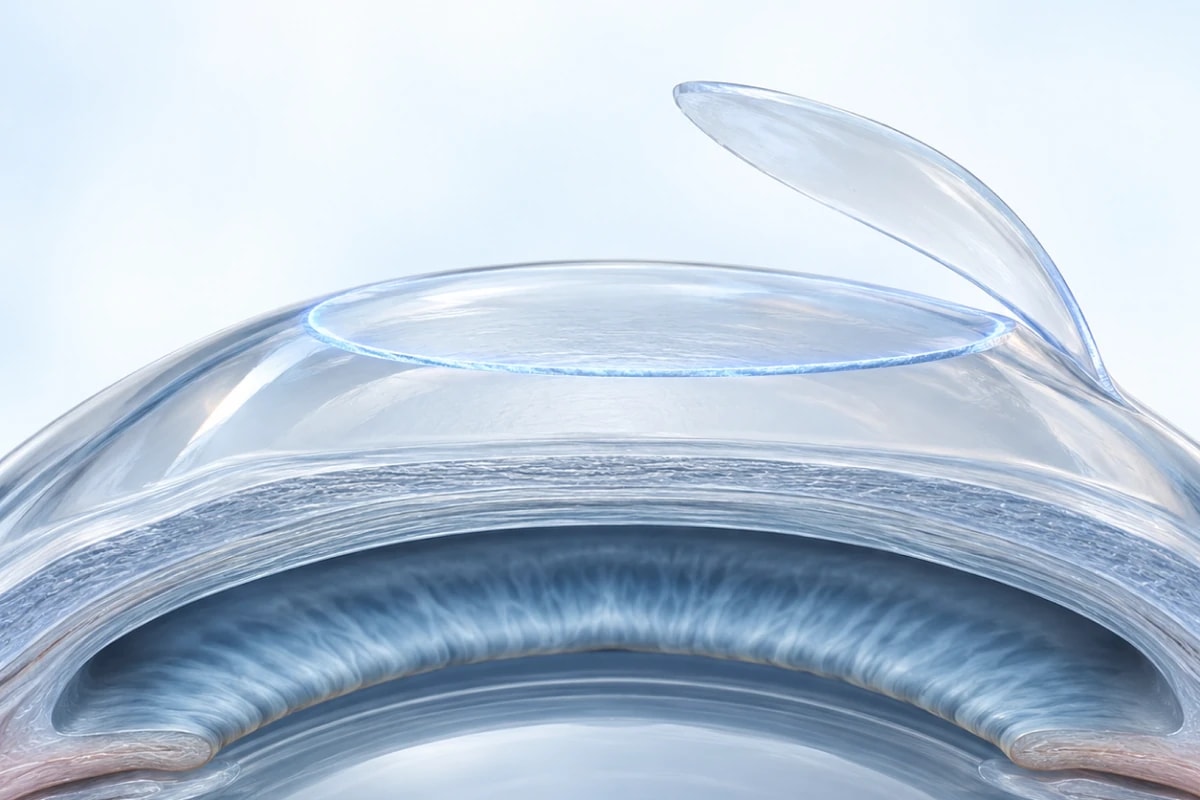
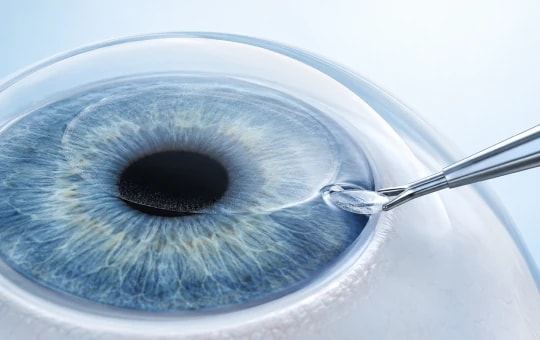
Creating the Corneal Flap
A femtosecond laser creates a thin, round flap
on the corneal surface, which is folded to the side.
0103
LASIK · LASEK · SMILE LASIK · ICL Comparison
ICL corrects vision without removing corneal tissue, making it suitable for patients with extreme myopia or very thin corneas who cannot have other procedures.
Compare the principle, pain, recovery time, likelihood of dry eye and cost of LASIK, LASEK, SMILE LASIK and ICL at a glance in the table below.
 |  |  |  | |
| Comparison | LASIK | LASEK | SMILE LASIK | ICL |
|---|---|---|---|---|
| Principle | Corneal flap created, then laser applied | Corneal epithelium removed, then laser applied | Small incision, then intrastromal lenticule extracted | Special lens implanted inside the eye |
| Incision Size | About 20mm | No incision (epithelium removed) | About 2mm | About 3mm |
| Pain | Almost none | Pain for 2–3 days | Almost none | Almost none |
| Recovery | Back to daily life the next day | Back to daily life in 3–5 days | Back to daily life the next day | Back to daily life in 1–3 days |
| Resistance to Impact | Risk of flap displacement | Very strong | Strong | No corneal damage |
| Likelihood of Dry Eye | Relatively high | Relatively low | Lowest | Low |
| Price Range | KRW 1.5M–3M | KRW 1M–2.3M | KRW 2.3M–3.4M | KRW 4.5M–5.5M |
| Recommended For |
|
|
|
|




Corneal flap creation
BGN LASIK
BGN LASIK is a trusted vision correction surgery
whose accuracy has been proven across countless cases.
Because the corneal flap is laid back in its original position,
there is less pain and haze, and recovery is fast,
making it well suited to busy people who cannot take much time off to recover.
2 key points
of BGN LASIK
Technical Point01
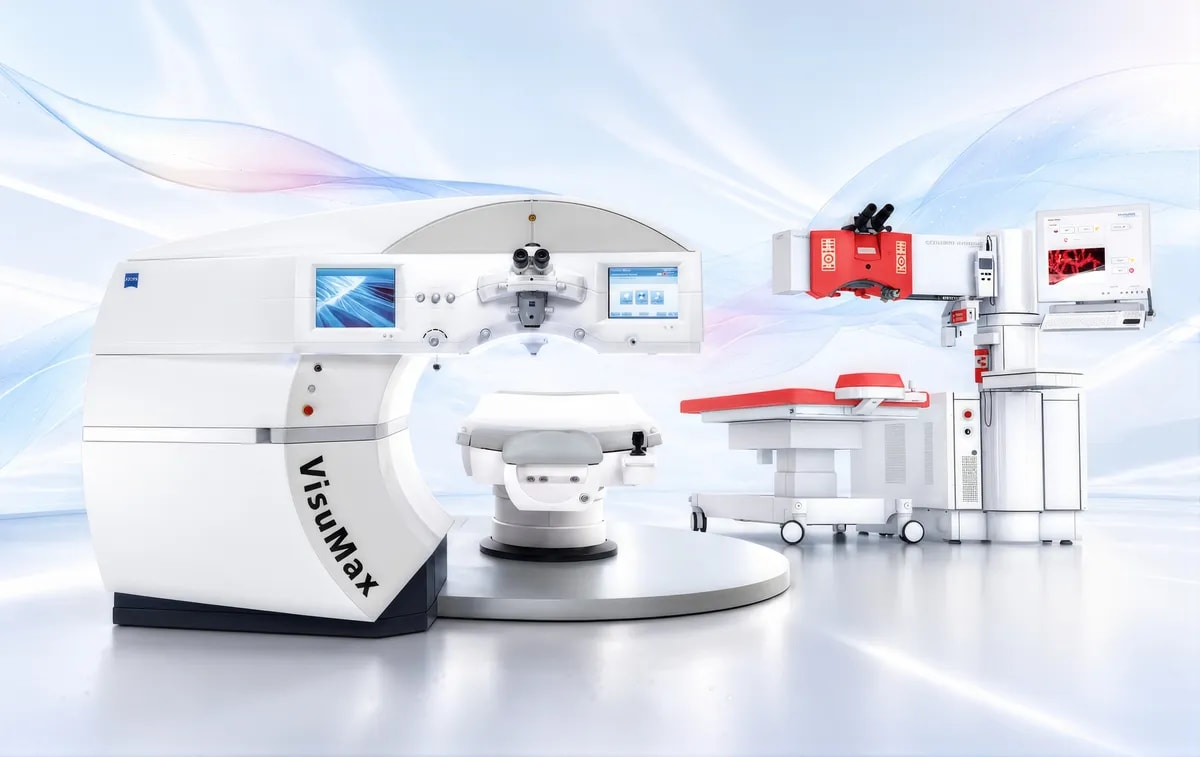
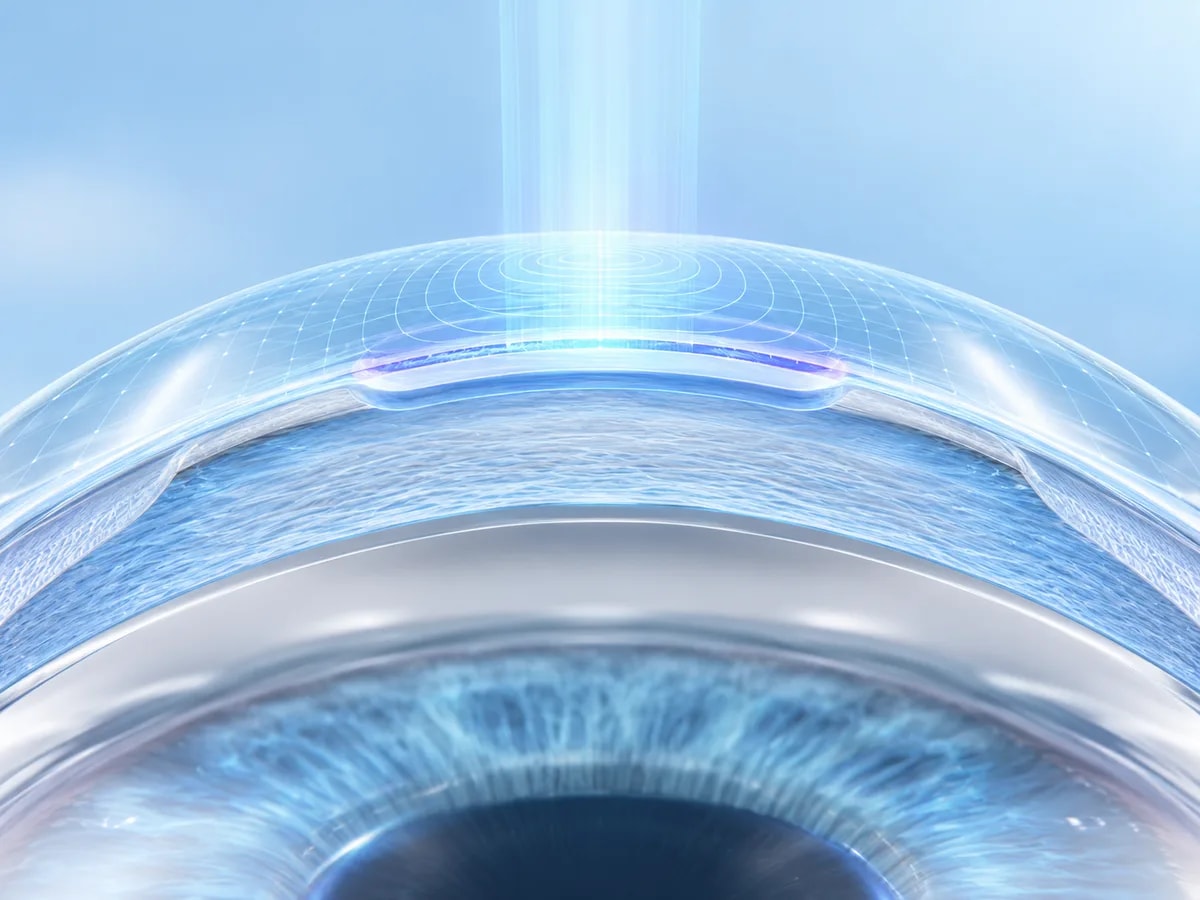
VisuMax & Amaris Red used together
Rather than relying on a single device,
we use the advanced VisuMax and Amaris Red systems together
for more precise vision correction surgery.
Technical Point02
Customized surgery based on corneal topography
Before surgery, a detailed examination precisely analyzes your corneal topography and shape,
so only as much corneal tissue as needed is precisely corrected.
Surgery is tailored to the curvature and thickness of your cornea, allowing us to plan
for a wide range of corneas, including steep or thin ones.
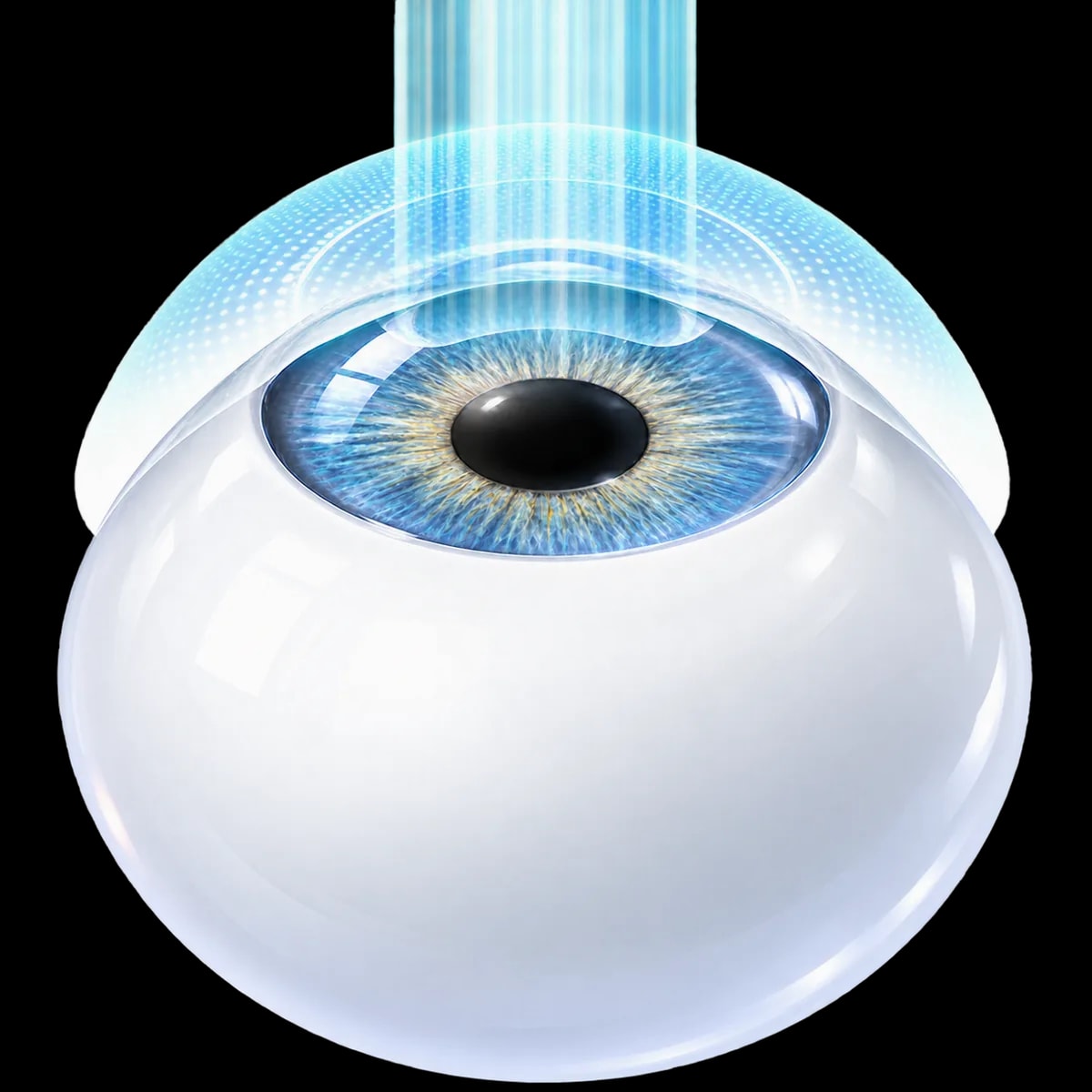
Precise vision correction with VisuMax and Amaris Red
Triple LASIK
Triple LASIK is a vision correction surgery whose safety has been verified at every step of the procedure,
and it is an option that includes cross-linking corneal strengthening.
3 key points
of Triple LASIK
Technical Point01
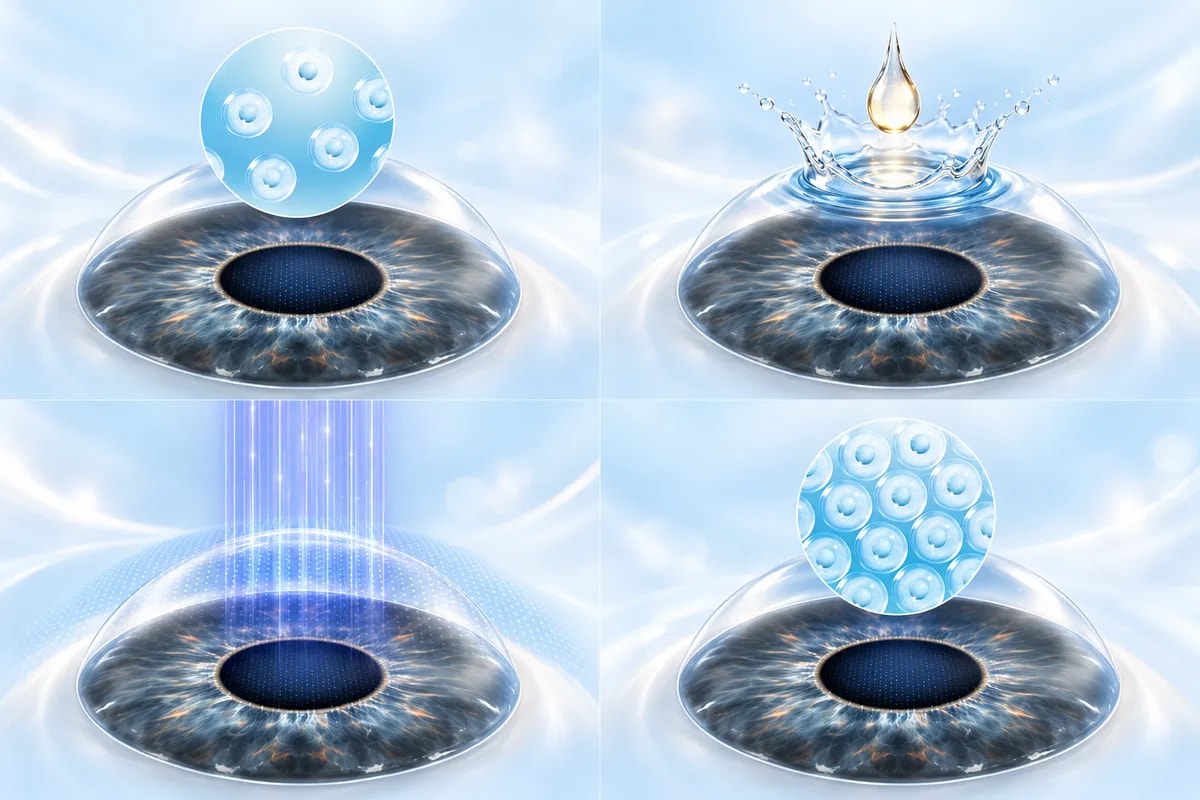
Crosslinking for 150% corneal strength
Crosslinking applies vitamins and UV light
to strengthen the bonds between corneal cells,
helping you keep a strong cornea after surgery.
Technical Point02
VisuMax & Amaris Red used together
Rather than relying on a single device,
we use the advanced VisuMax and Amaris Red systems together
for even more precise vision correction.
Technical Point03
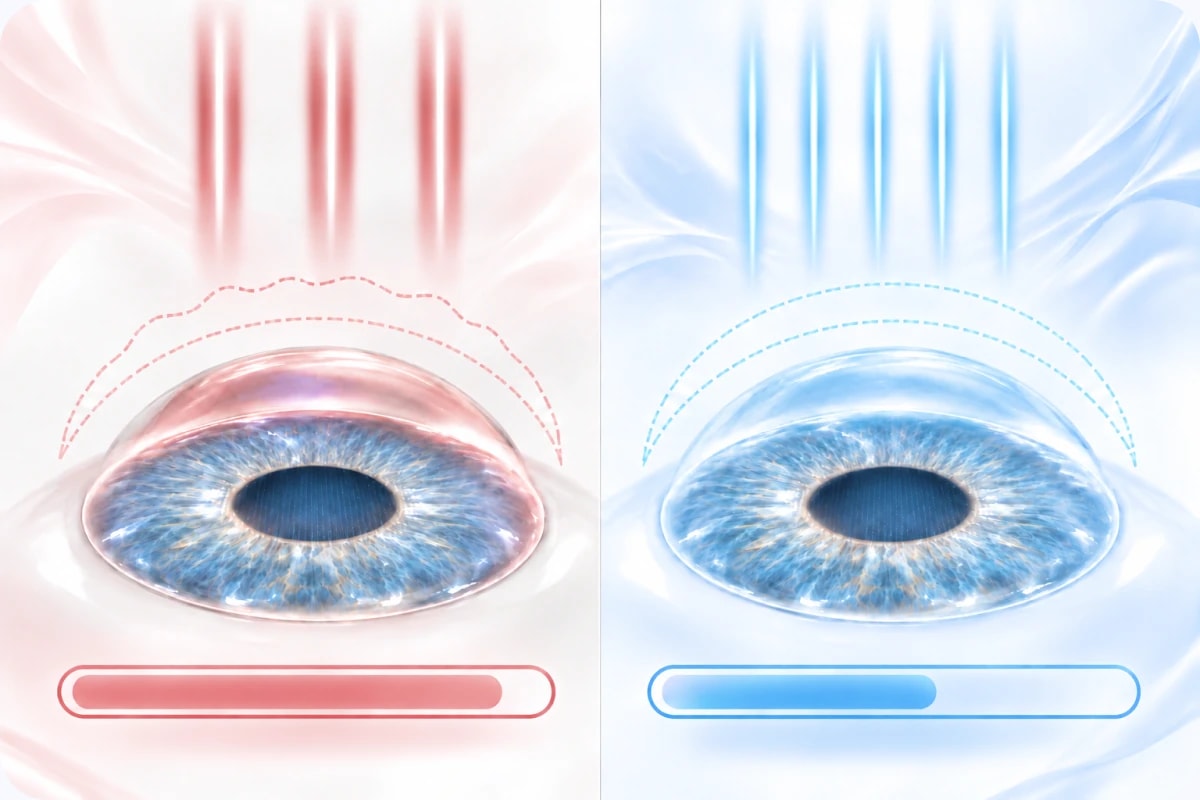
22 Low Energy to minimize corneal damage
Before the excimer laser adjusts corneal thickness,
a low-energy femtosecond laser makes the cut, reducing damage during the corneal incision.
In addition, by precisely analyzing corneal curvature and thickness,
we tailor the surgery to the shape of your cornea.
Even with a steep or thin cornea,
we can plan surgery around your corneal condition.

From corneal strengthening to post-op dry eye care
Quattro LASIK
Quattro LASIK is a program that not only strengthens the cornea but, through warm compresses and Hyalein eye drops after surgery,
also takes care of dry eye.
Alongside LASIK, it combines crosslinking and dry eye care,
helping to strengthen the cornea and ease dryness while improving your vision.
4 key points
of Quattro LASIK
Technical Point01
Crosslinking for 150% corneal strength
Crosslinking applies vitamins and UV light
to strengthen the bonds between corneal cells,
helping you keep a strong cornea after surgery.
Technical Point02
VisuMax & Amaris Red used together
Rather than relying on a single device,
we use the advanced VisuMax and Amaris Red systems together
for even more precise vision correction.
Technical Point03
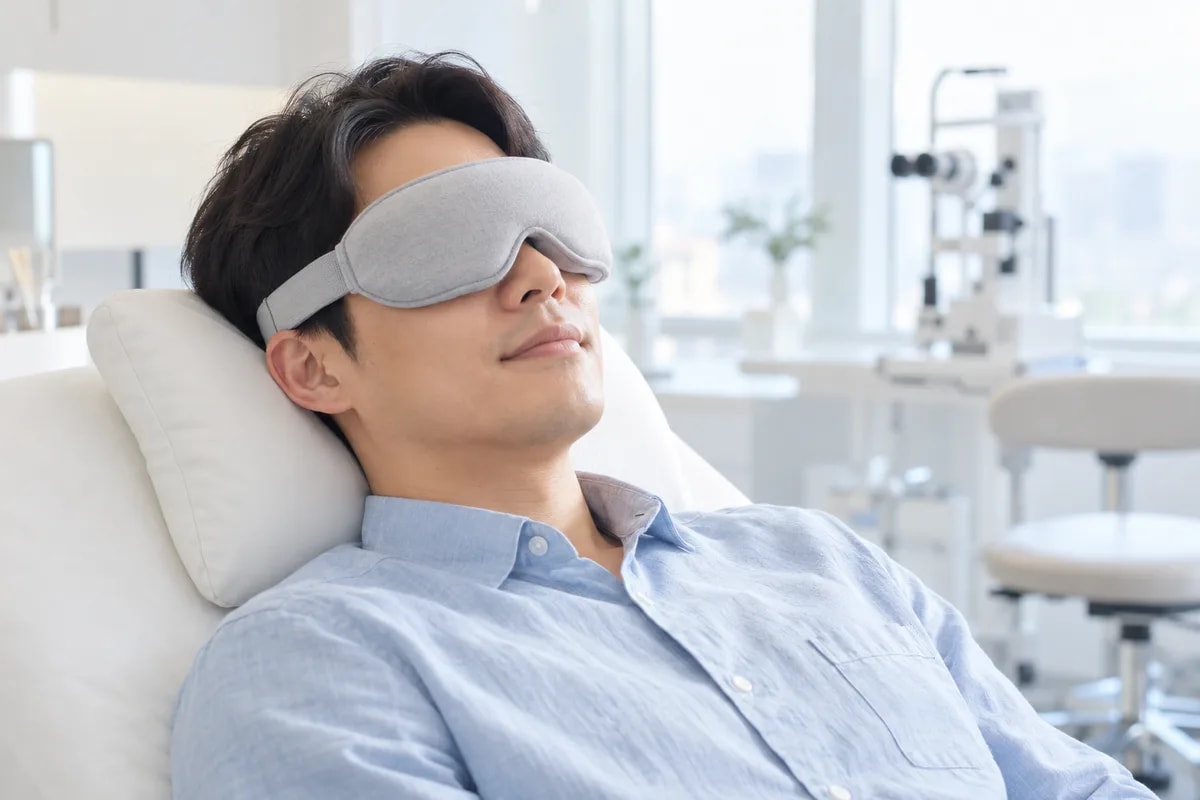
Dry eye care with warm compresses
A three-step routine of vibration massage → heat massage → air-pressure massage
relaxes the muscles around the eyes and melts the oils in the eyelid glands.
Finally, the air-pressure massage expresses these oils
to form a lipid layer on the eye and reduce tear evaporation.
Technical Point04
Corneal recovery care with Hyalein eye drops
We use Hyalein eye drops, based on a substance widely found in connective tissue cells that provides stickiness and elasticity,
to protect the iris, retina and other tissues as well as corneal cells,
and to help the cornea heal after surgery.
In addition, surgery is tailored to the curvature and thickness of your cornea,
so we can plan for a wide range of corneal shapes.
Custom LASIK
If your cornea is highly curved or thin, Custom LASIK can be a good choice.
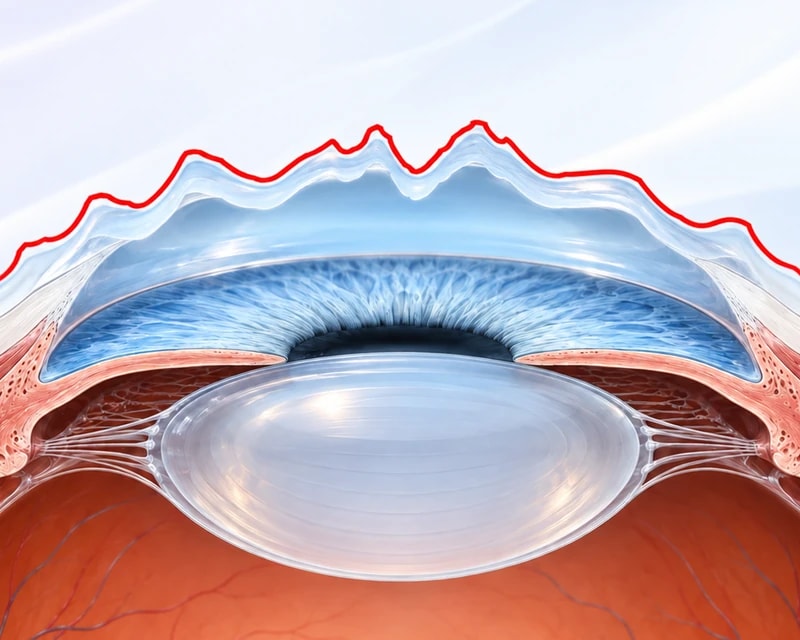
Highly curved, thin cornea
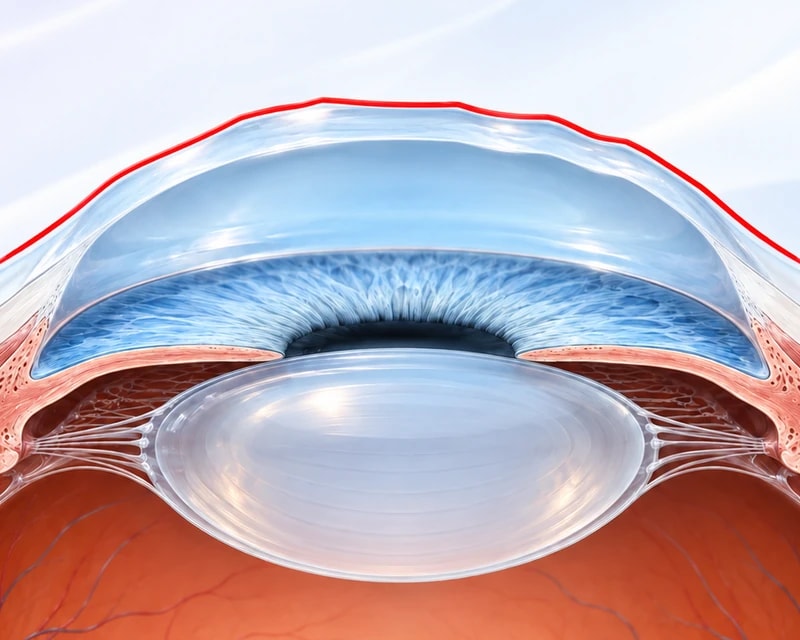
Less curved but thin cornea
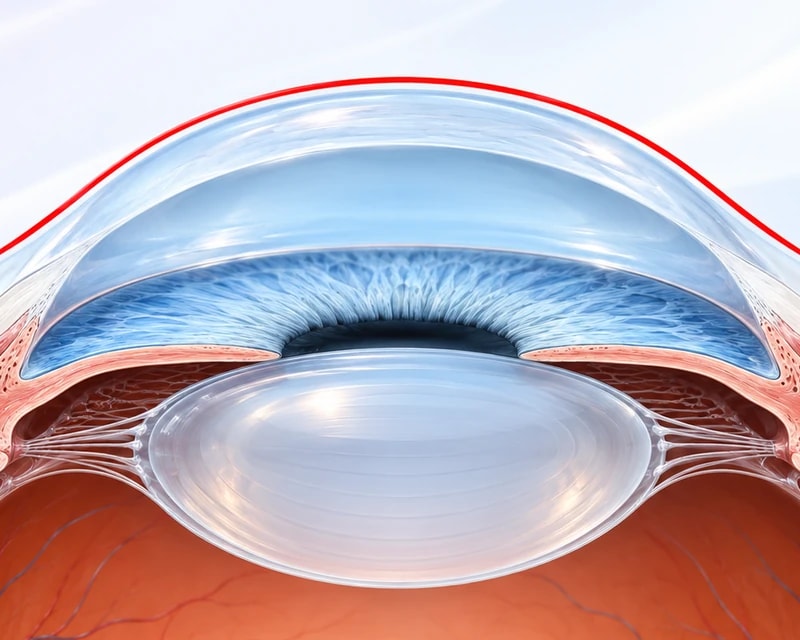
Gently curved, thick cornea
Recovery after LASIK
Recovery from LASIK is generally fast, and most patients can return to daily life the day after surgery.
Here is the expected progress and lifestyle guide for each stage after surgery.
STEP 1
Surgery Day
As the anesthesia wears off, you may feel some foreign-body sensation and tearing, which settles in about 3–4 hours. At home, keep your eyes closed and rest well, and sleep wearing the protective eye shield. Avoid rubbing your eyes or squeezing them shut.
STEP 2
Day After Surgery
Most patients recover 80–90% of their vision. You will visit the clinic for a check-up the day after surgery. Face washing and showering are possible as long as water does not get directly into your eyes. Whether you can drive is decided after your doctor confirms.
STEP 3
Week 1
Your vision continues to stabilize and the foreign-body sensation mostly disappears. Eye makeup is allowed after 1 week, as is light exercise. However, avoid activities where water may directly touch your eyes, such as swimming or saunas.
STEP 4
Month 1
Vision is nearly stable and nighttime glare gradually decreases. Vigorous exercise and swimming become possible, and you visit the clinic for a regular check-up.
STEP 5
After 3 Months
Your vision is fully stable.
After that, we recommend an annual
eye check-up.
Frequently Asked Questions
LASIK is a non-covered (self-pay) procedure, and the cost varies depending on the equipment used, the examinations required and the surgical method. At BGN Eye Clinic, we guide you to the most suitable cost for you after a thorough examination.
LASIK creates a corneal flap, so there is less pain and faster recovery. LASEK removes only the epithelium without a flap, making it more resistant to external impact.
In rare cases, myopic regression can occur. Re-treatment is possible if your ophthalmologist confirms it is suitable; BGN Eye Clinic removes only the minimum corneal tissue to preserve the option of re-treatment.
Dryness may appear temporarily but usually improves within 3–6 months. Consistent use of prescribed artificial tears and better daily habits can ease it.
You cannot drive after surgery. We recommend coming with a companion or using public transport.
An eyelid speculum holds your eye open, so you cannot blink. An eye-tracking system also compensates for even tiny eye movements in real time.

LASIK Pre & Post-op Care
Please stop wearing contact lenses before surgery for accurate testing.
Avoid eye makeup on the day of surgery, and after surgery take care not to rub or press your eyes.
Because LASIK involves creating a corneal flap, protect your eyes from impact during recovery and use your prescribed eye drops as directed.
See below for detailed pre- and post-op precautions and care for LASIK.
Recommended Reading
Explore more information and stories about LASIK.


BGN EVENT
Don’t miss out on BGN benefits. Check out our current events.