Near, intermediate and distance vision with a multifocal IOL
Life without reading glasses,
with a presbyopia lens implant
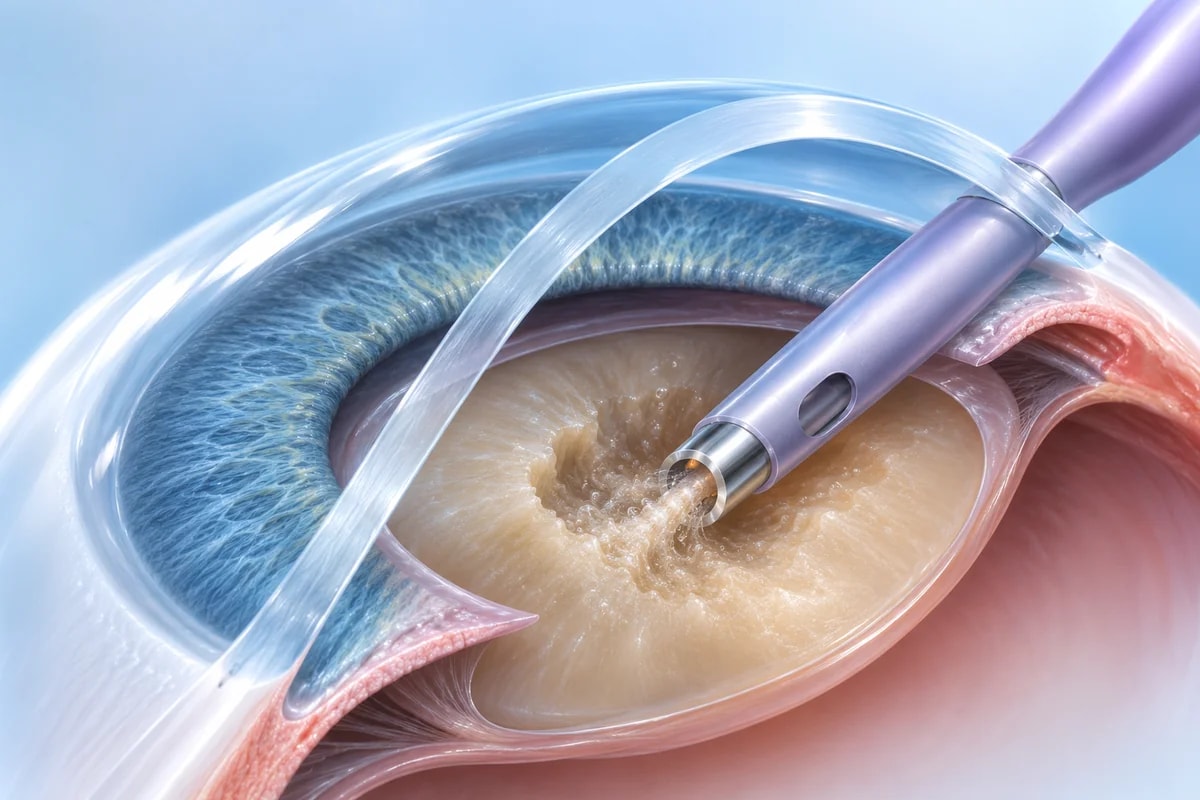
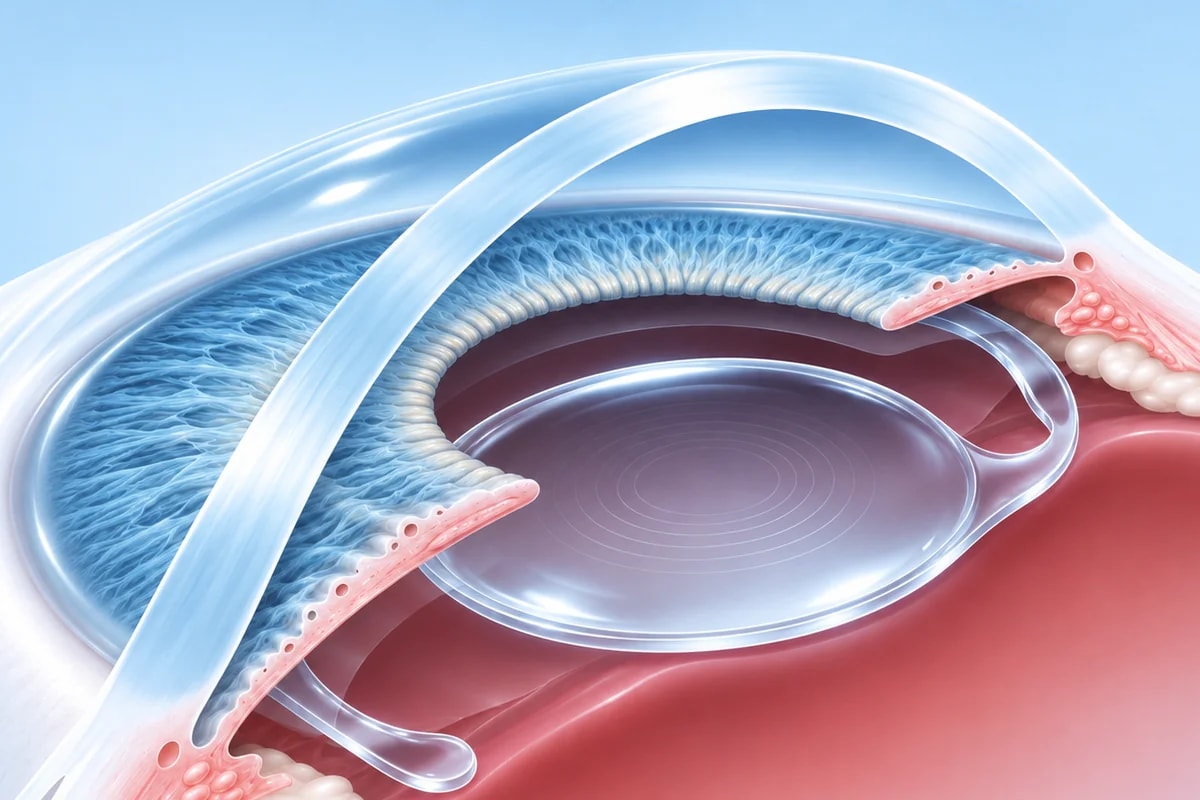
We replace the aging natural lens with a multifocal intraocular lens
to address presbyopia and cataracts together.
What is presbyopia?
Presbyopia is a natural part of aging in which the lens loses elasticity, weakening the eye’s ability to focus on near objects.
It usually begins around age 40: small print becomes blurry and you find yourself holding your phone or book farther away.
Reading glasses can help, but as the lens continues to age it can lead to cataracts, so a more fundamental correction is often considered.


Could I have presbyopia? Self-check
Presbyopia is a natural change that appears from your 40s. Sometimes only near vision is affected; sometimes everything looks blurry.
If 3 or more apply, we recommend a presbyopia correction exam.

Trouble Focusing
Slow to focus when reading close-up text

Hazy Vision
Colors look dull or blurry

Glare · Halos
Discomfort in bright places or with night lighting

Double Vision
Objects look doubled or more when one eye is closed

Difficulty Driving at Night
Vision is uncomfortable in dark environments

Uncomfortable Even with Glasses
You still can’t see well with glasses on
3 or more apply? Find the right solution for you with an eye exam
How does a presbyopia lens implant work?
It proceeds in 5 steps, from detailed examination to post-op follow-up.

Examination & Consultation
We check your eye condition, degree of presbyopia,
common viewing distances and lifestyle.


0105
The distances you use most are key to choosing a lens
Each type of multifocal intraocular lens differs in its focal range and adaptation profile.
We plan your surgery considering both your test results and the viewing distances you use day to day.

NearBooks · Phone

IntermediateComputer · Cooking · Dashboard

DistanceDriving · TV · Outdoor activities
What we check together before surgery
- Condition of the cornea and retina
- Driving and nighttime activities
- Occupation and hobbies
- Degree of myopia, hyperopia and astigmatism
- How often you read or use a smartphone
- Your preference regarding glasses
The decision is made after consultation with your doctor, considering both test results and lifestyle
A lens placed deep inside the eye, chosen just for you
Among a variety of multifocal intraocular lenses, you can find the right one for you through a detailed examination and a lifestyle consultation.
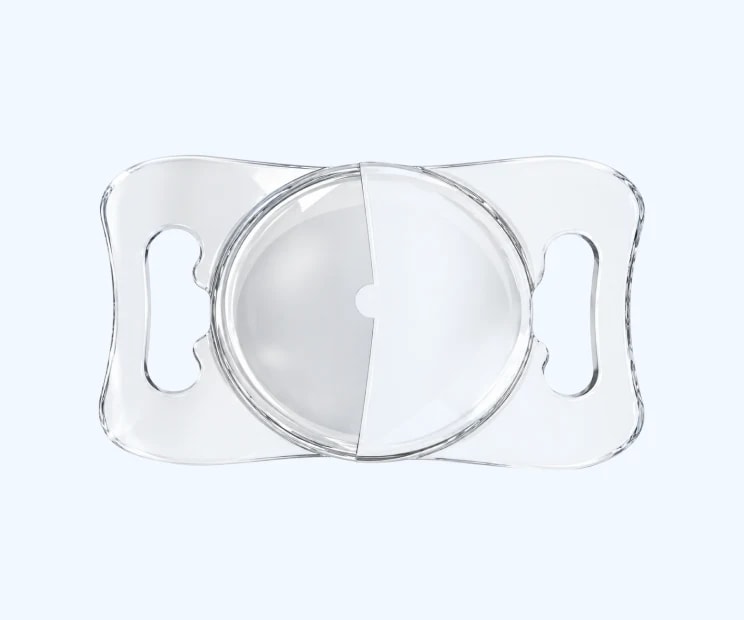
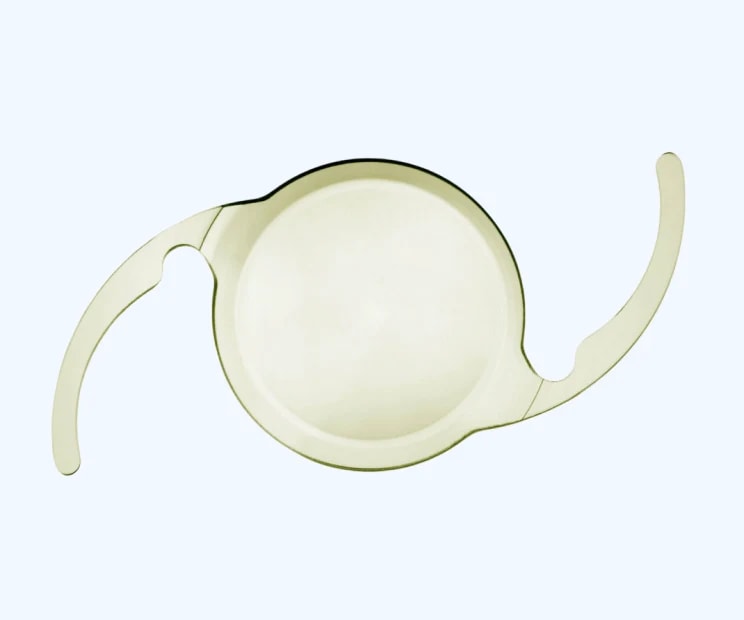
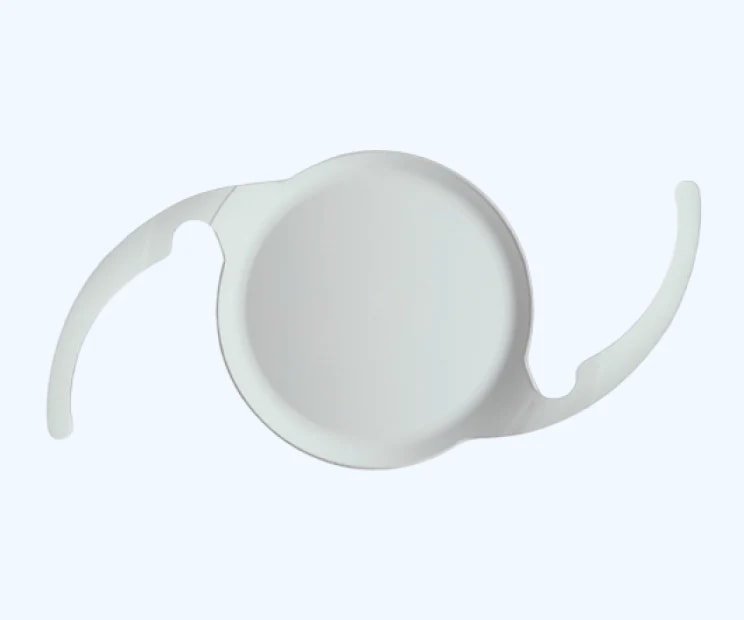
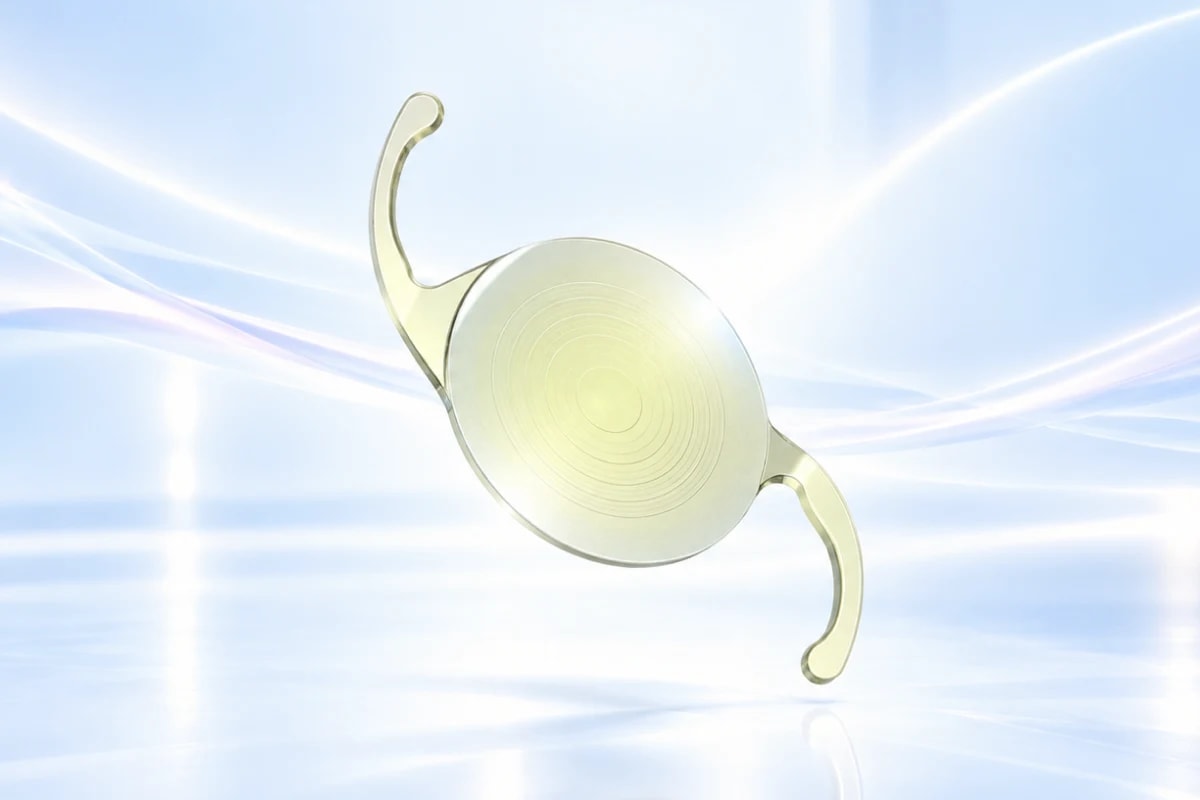
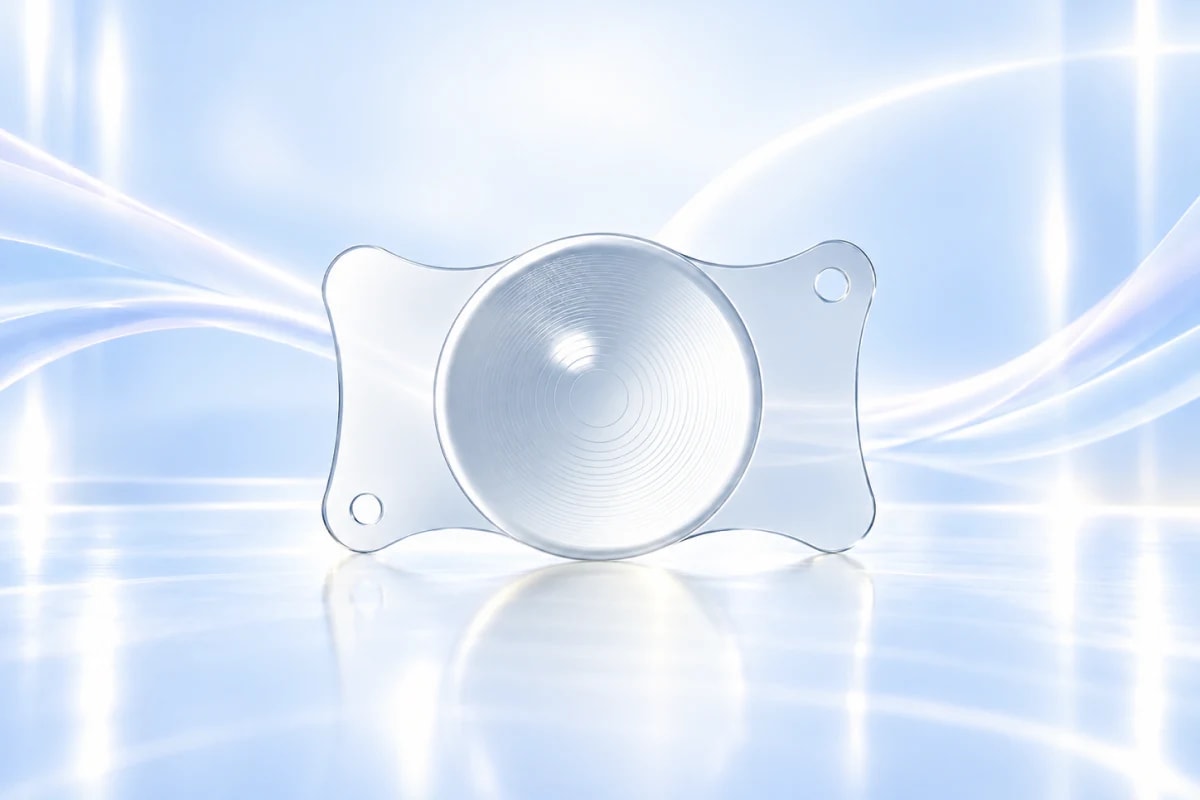
LENS01· Quadrifocal
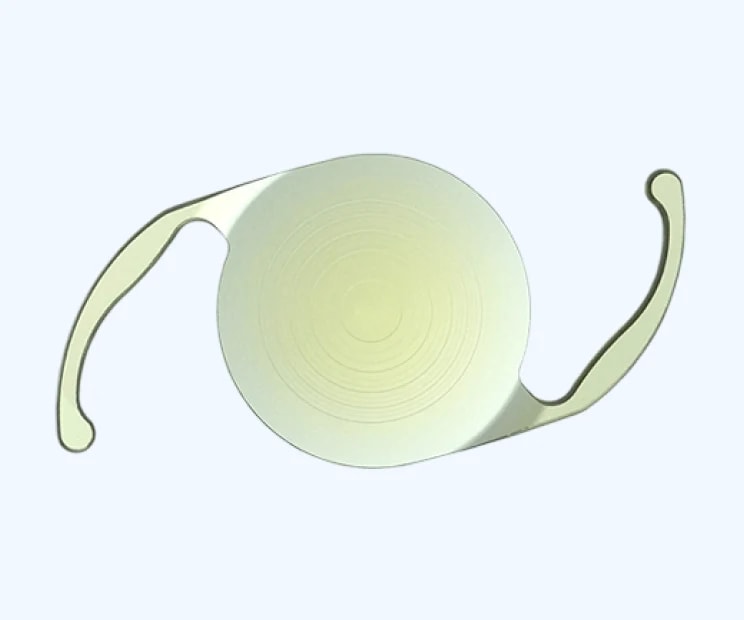
Clareon PanOptix
A quadrifocal intraocular lens that reduces
nighttime glare and vision loss for comfortable
near, intermediate and distance vision.
- Uses 88% of light energy, the highest among current IOLs,
for sharp visual quality at every distance - 4.5mm diffractive zone — delivers consistent light energy to near, intermediate and distance
regardless of pupil size, for quality vision in any lighting - Aspheric design and blue-light filtering improve night vision
and add retinal protection
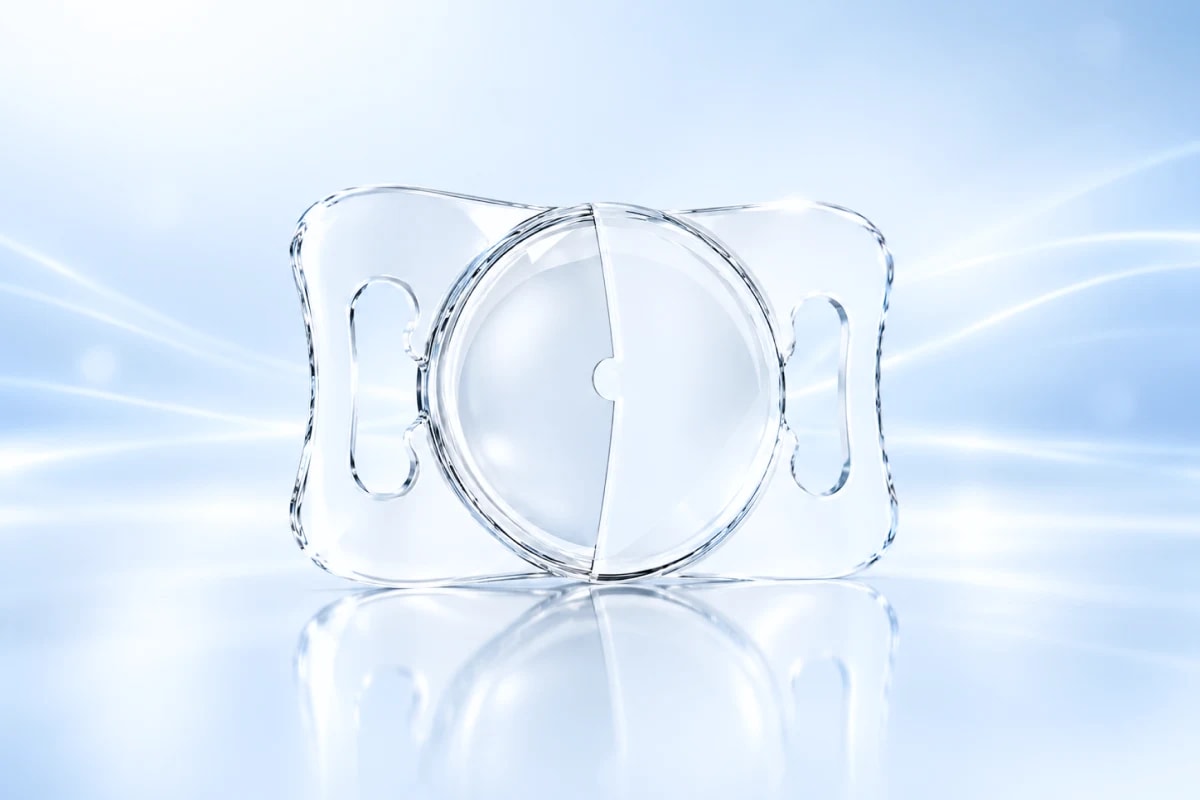
LENS02· Multifocal · Over 100,000 procedures in Europe
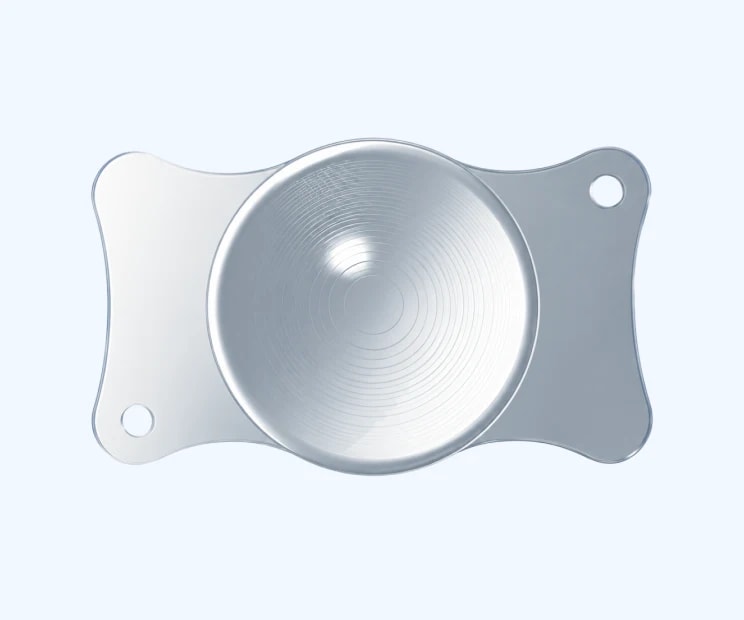
AT LISA tri
A multifocal intraocular lens with a diffractive grating across the entire optic
to minimize light scattering, also improving intermediate vision.
- Implanted in over 100,000 procedures in Europe — extensive clinical experience
- Full-optic diffractive grating design minimizes light scattering
- Adjusts the amount of light reaching the retina (90% → 85.7%) for clear vision
- Improves intermediate as well as distance vision
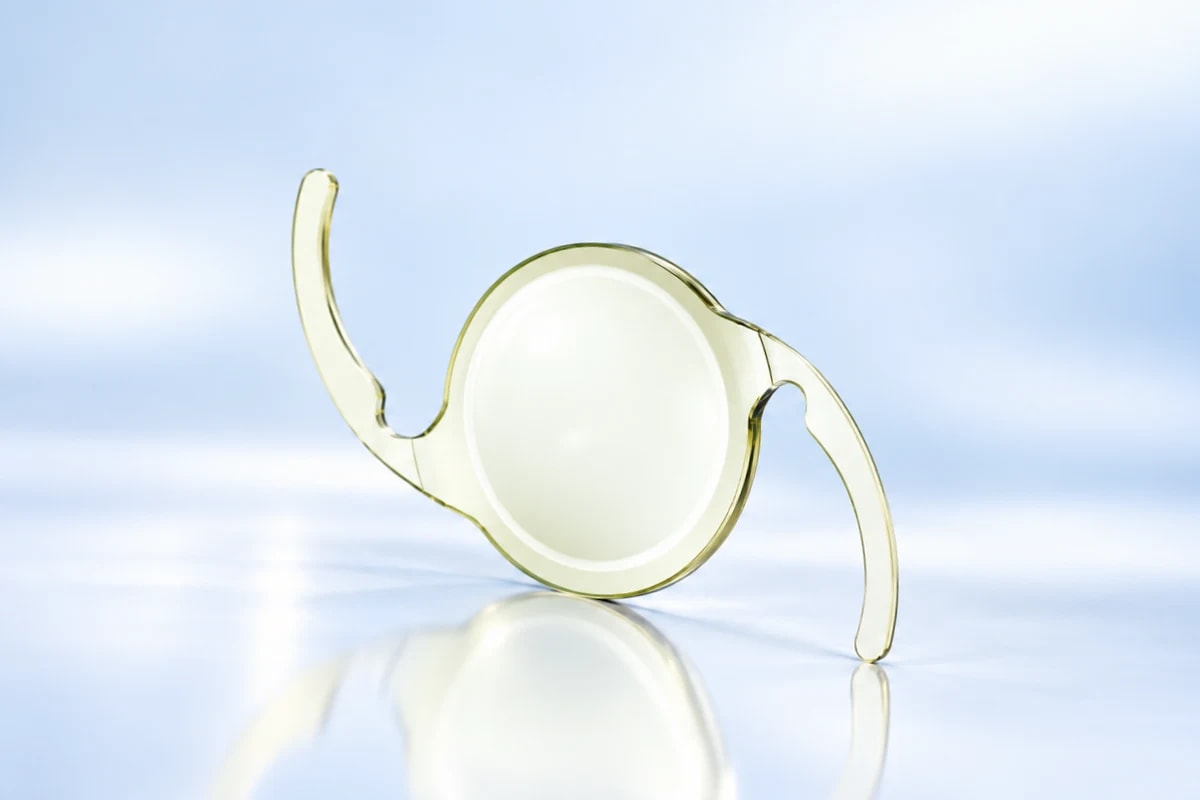
LENS03· Multifocal · Non-concentric design
LENTIS
With no concentric rings to cause light loss,
it loses less light than conventional multifocal intraocular lenses.
- Ring-free design minimizes light loss compared with conventional multifocal lenses
- Keeps light scattering and loss to 7% or less
- Excellent contrast sensitivity helps you see objects more brightly
under indirect lighting or in dim indoor spaces
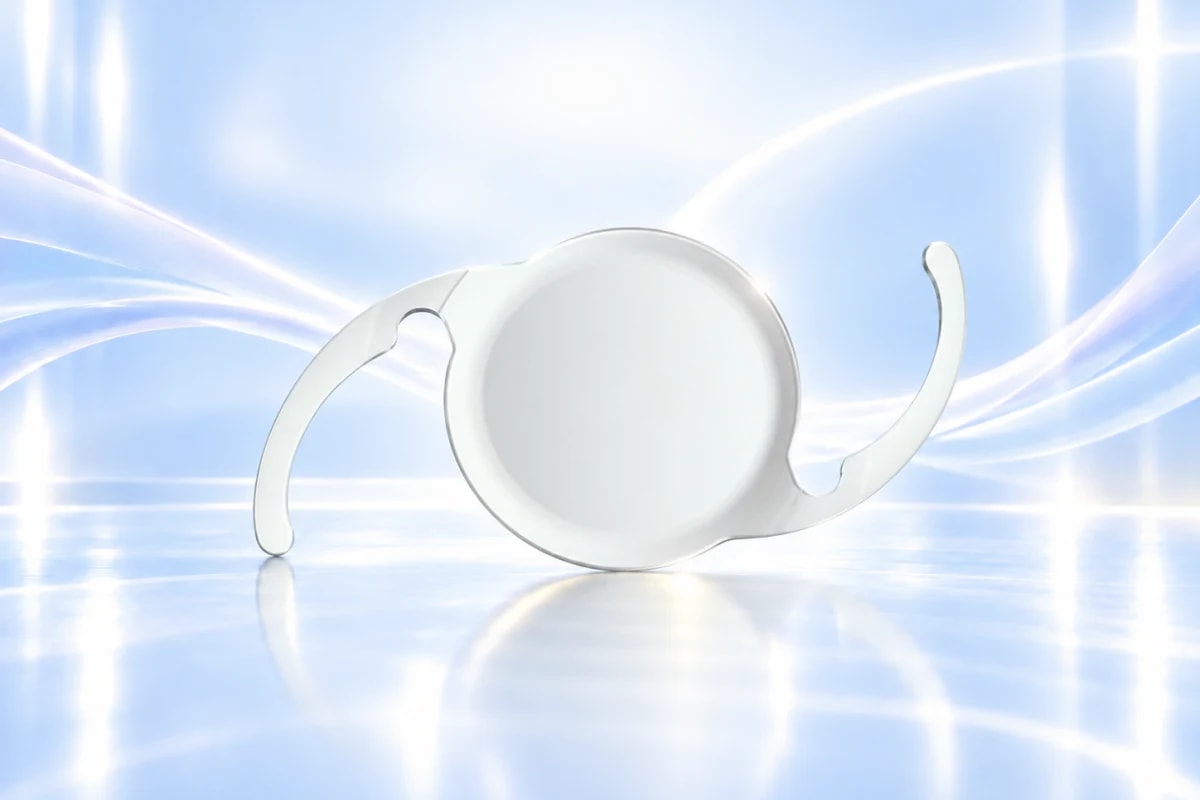
LENS04· Extended Depth of Focus (EDOF)
TECNIS PureSee
A lens using extended depth of focus technology
to enhance both clear distance vision and everyday near vision.
- Extended depth of focus (EDOF) technology — clear distance correction + improved everyday near vision
- Designed without diffractive rings to minimize halos
- Violet light filtering blocks harmful light (blue light)
- Aspheric optics provide clear vision day and night
LENS05· Enhanced monofocal
TECNIS Eyhance
A lens that builds on the strengths of a monofocal IOL,
sharpening everyday intermediate vision as well as distance.
- Keeps the advantages of a monofocal lens while improving everyday intermediate clarity
- No diffractive rings, so less glare at night and clear vision
- Reduces spherical and chromatic aberration for excellent vision and contrast
BGN examination & surgical equipment
Our examination devices determine the IOL power precisely, and surgery is performed with equipment linked to the examination data.
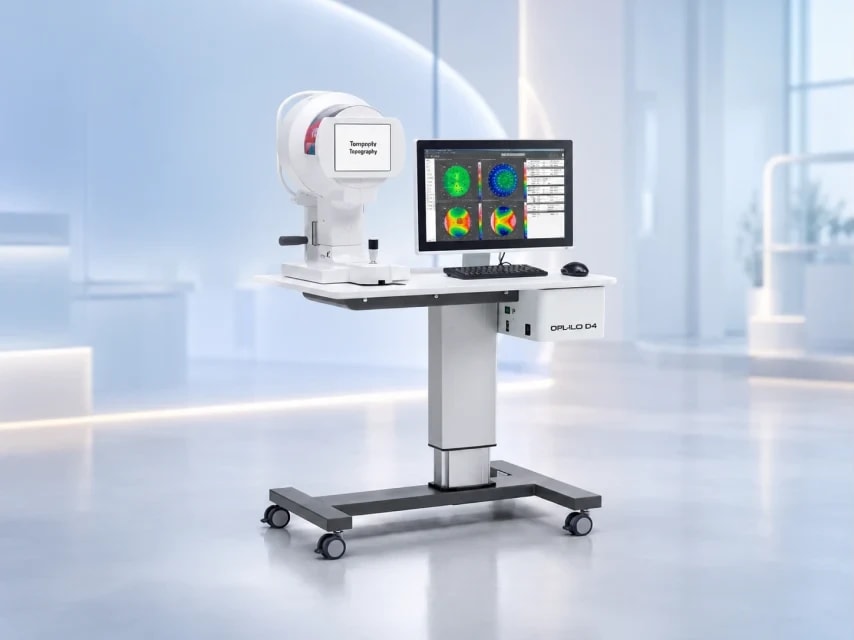
Galilei
Detailed corneal shape analysis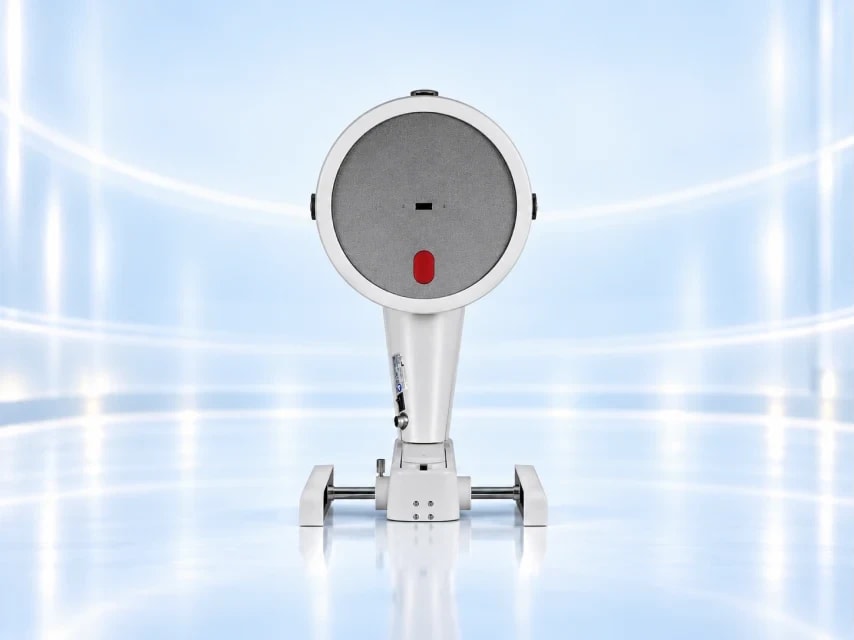
Pentacam
3D anterior segment imaging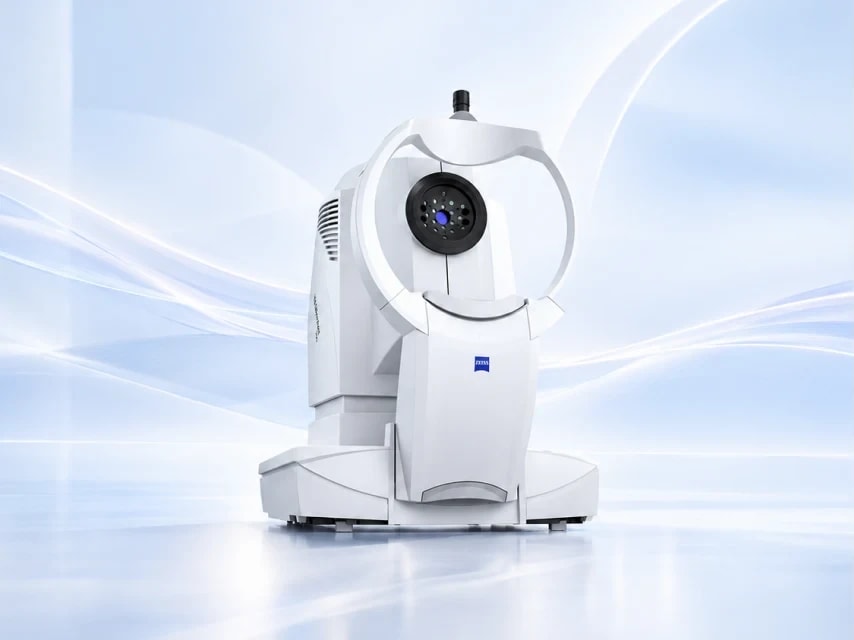
IOLMaster
IOL power calculation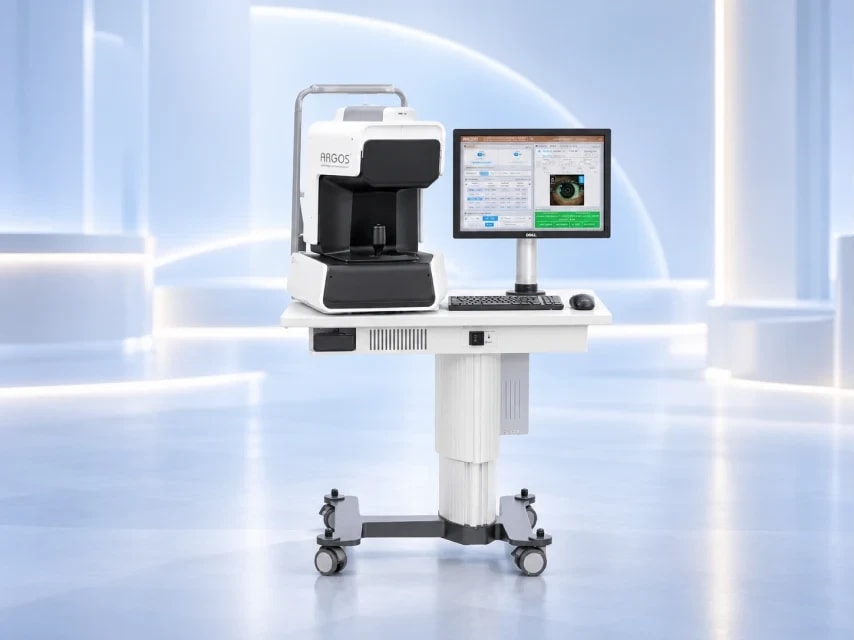
Verion
Surgical planning · guidance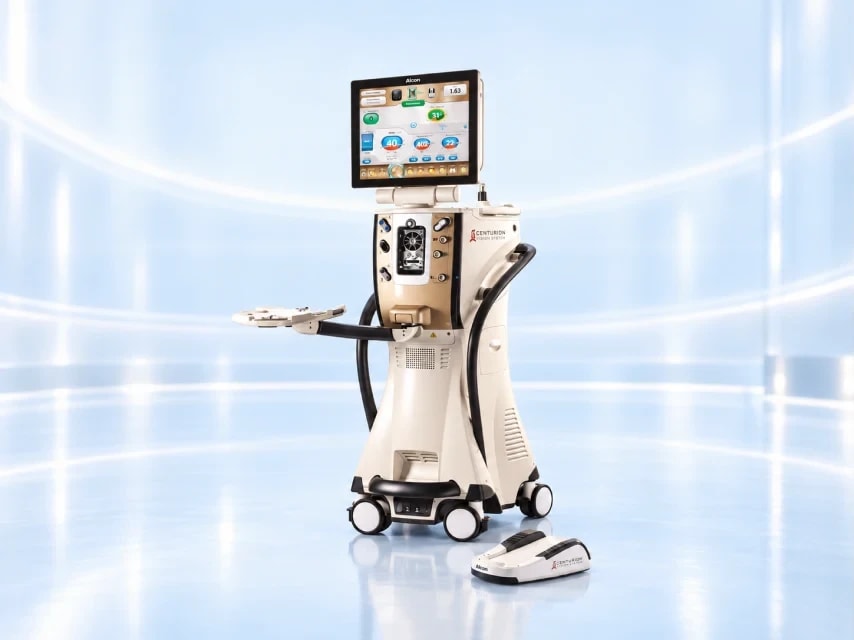
Centurion (Surgical System)
Cataract surgery system that safely removes the clouded lens, linked with examination data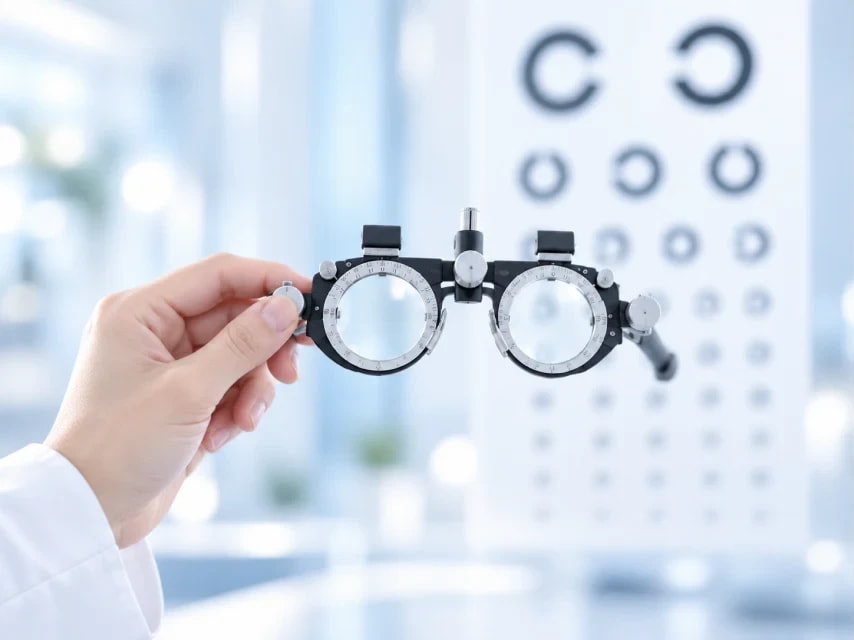
Visual Acuity & Refraction Tests
Measures current vision and degree of refractive error
Frequently Asked Questions
The surgical principle is the same. Choosing a multifocal intraocular lens corrects presbyopia as well, and treats cataracts if you have them.
It is decided after consultation with your doctor, considering detailed test results along with your lifestyle, such as your occupation and hobbies.
Performed personally by our experienced surgeons, it takes about 10 minutes.
It depends on your symptoms and the condition of your lens. An eye exam is the best way to determine the right correction method and timing.
You will need to use eye drops and attend regular check-ups. See the Pre & Post-op Care page for details.
The first step to vision that fits your life
Before lens names, look at your eyes and lifestyle
A presbyopia lens implant is planned based on a detailed examination and thorough consultation.

Presbyopia Lens Implant Pre & Post-op Care
Before surgery, stop wearing contact lenses for accurate testing, and tell your medical team about any medications or existing eye conditions.
It is best to avoid eye makeup on the day of surgery.
After surgery, take care not to rub or press hard on your eyes, and keep water and foreign matter out of them in the early period.
Use your prescribed eye drops as directed, and attend regular check-ups to monitor the lens position and your eye condition.
See below for detailed pre- and post-op precautions and care for presbyopia lens implants.
Recommended Reading
Explore more information and stories about presbyopia lens implants.


BGN EVENT
Don’t miss out on BGN benefits. Check out our current events.