Vision correction that removes only the corneal epithelium, without a flap
BGN LASEK
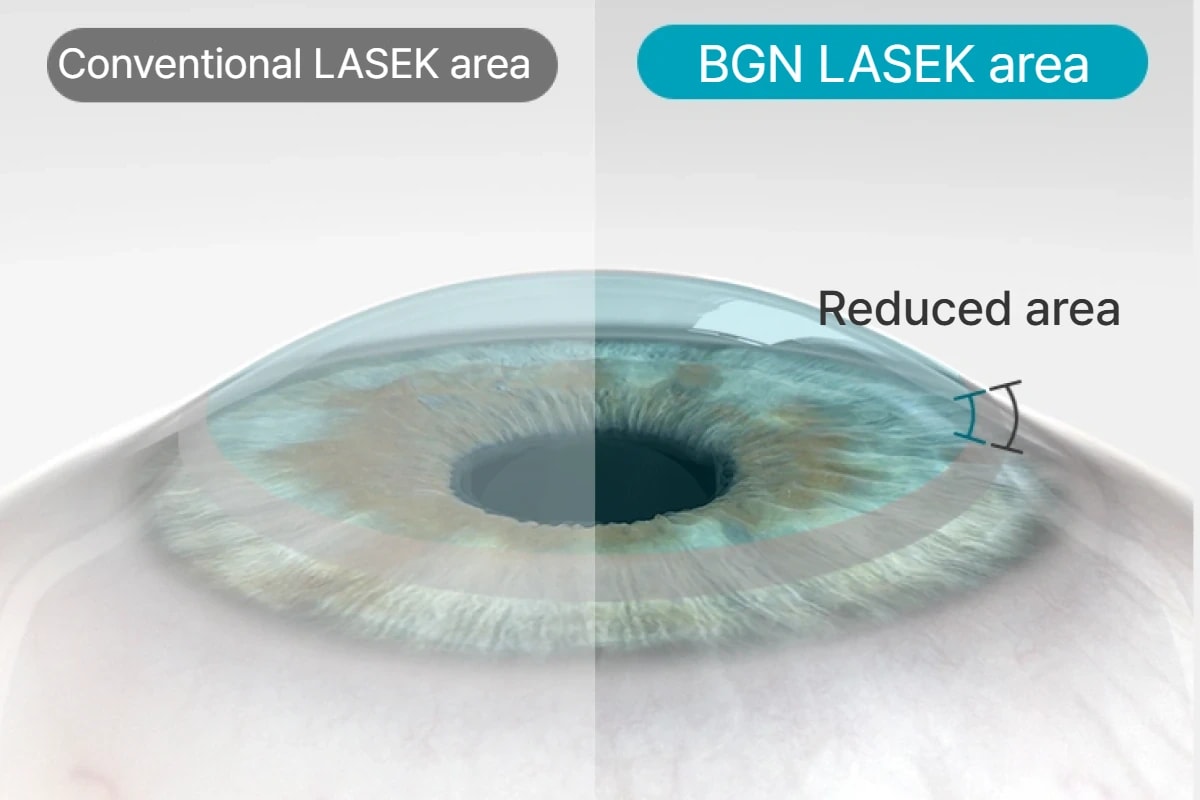
No corneal flap is created,
leaving more corneal tissue and making it resistant to external impact.
- No flap
- Resistant to impact
- Preserves corneal tissue


LASEK
LASEK removes only the corneal epithelium without a flap, leaving more residual cornea and making it resistant to external impact.


What is LASEK?
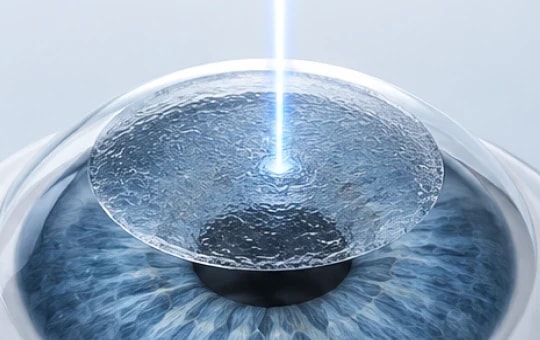
LASEK is surgery in which only the corneal epithelium is gently removed and a laser reshapes the cornea to correct vision.
Unlike LASIK, no flap is created, so the eye is more resistant to impact after surgery and more corneal tissue remains.
However, there may be pain for about 3 days while the corneal epithelium regenerates.

LASEK Procedure
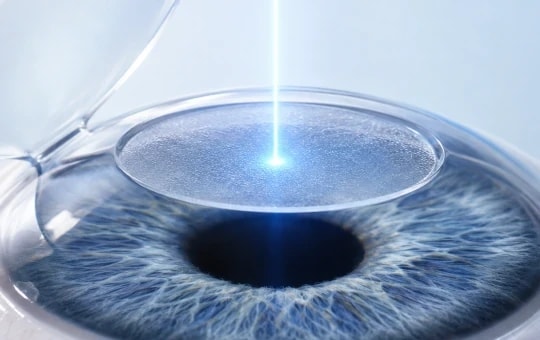
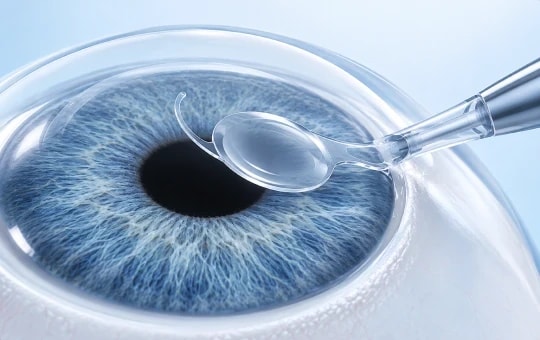
In LASEK, the corneal epithelium is removed and a laser is applied to correct vision, then a protective lens is placed.
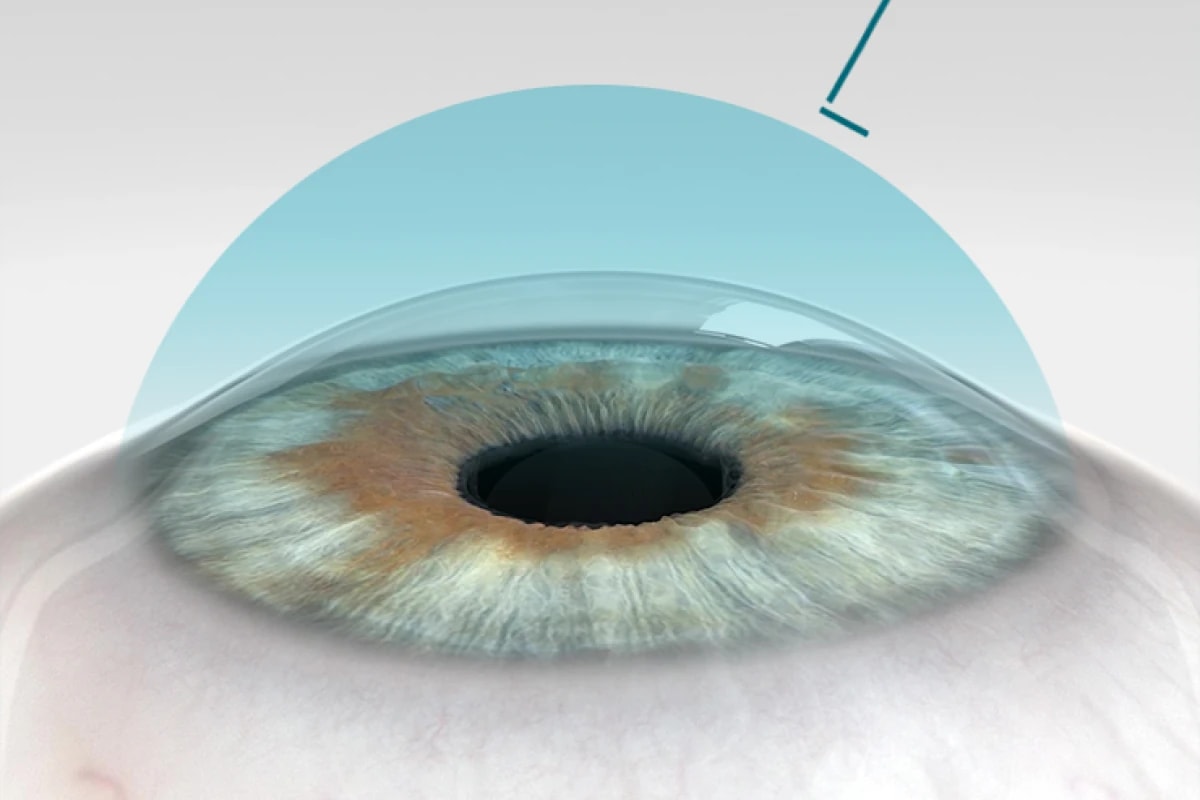
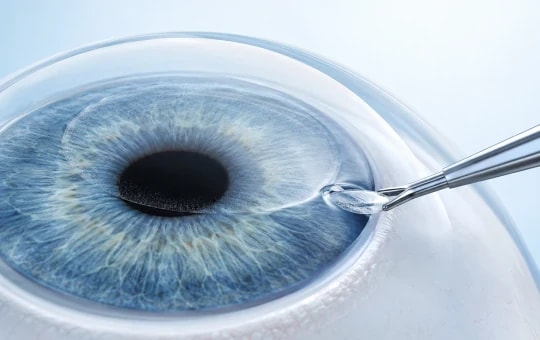
Epithelium Removal
The corneal epithelium is removed safely.
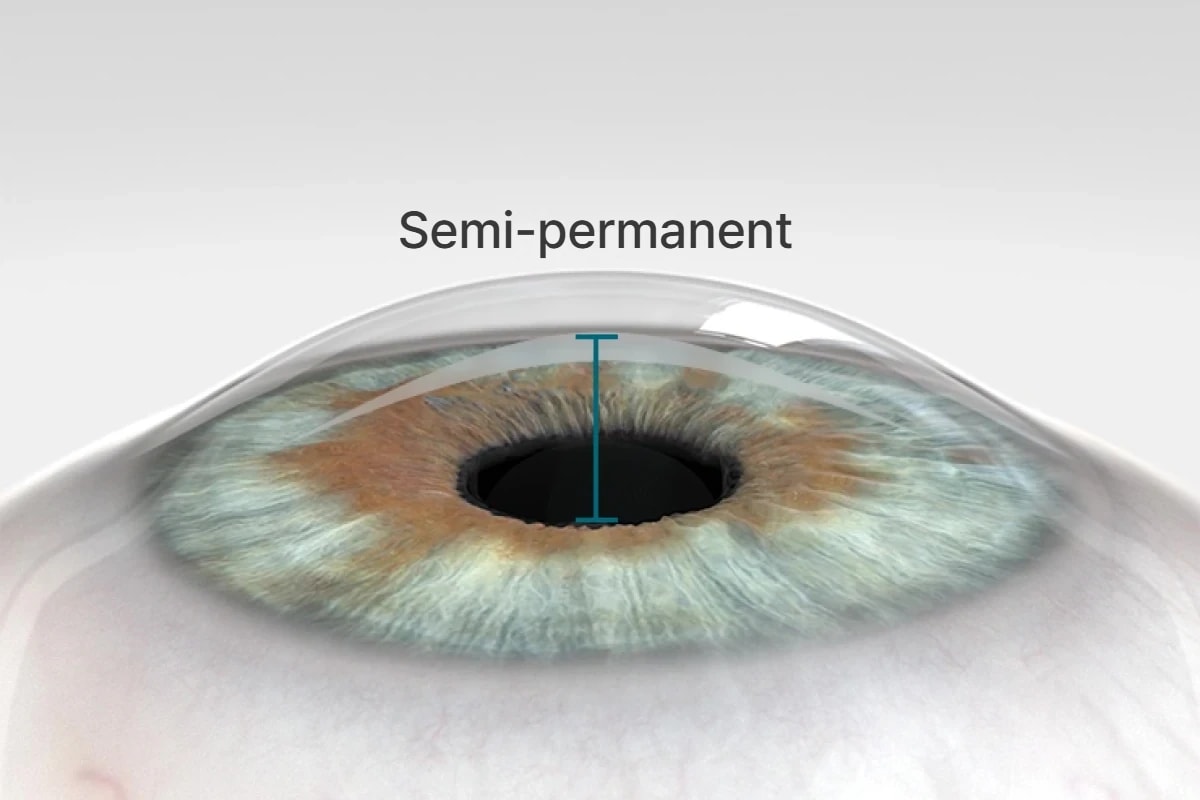
0103
LASIK · LASEK · SMILE LASIK · ICL Comparison
Because LASEK does not create a corneal flap, it is safer than LASIK against external impact.
In the table below, compare the principle, pain, recovery time, likelihood of dry eye and cost with LASIK, SMILE LASIK and ICL at a glance.
 |  |  |  | |
| Comparison | LASIK | LASEK | SMILE LASIK | ICL |
|---|---|---|---|---|
| Principle | Corneal flap created, then laser applied | Corneal epithelium removed, then laser applied | Micro-incision, then intrastromal lenticule extracted | Special lens implanted inside the eye |
| Incision Size | About 20mm | No incision (epithelium removed) | About 2mm | About 3mm |
| Pain | Almost none | Pain for 2–3 days | Almost none | Almost none |
| Recovery | Back to daily life the next day | Back to daily life in 3–5 days | Back to daily life the next day | Back to daily life in 1–3 days |
| Resistance to Impact | Risk of flap displacement | Very strong | Strong | No corneal damage |
| Likelihood of Dry Eye | Relatively high | Relatively low | Lowest | Low |
| Price Range | KRW 1.5M–3M | KRW 1M–2.3M | KRW 2.3M–3.4M | KRW 4.5M–5.5M |
| Recommended For |
|
|
|
|
Advantages of LASEK
Because it does not create the corneal flap used in LASIK, it is resistant to external impact.

No flap, so
resistant to impact
Suitable for athletes, entertainers
and other special professions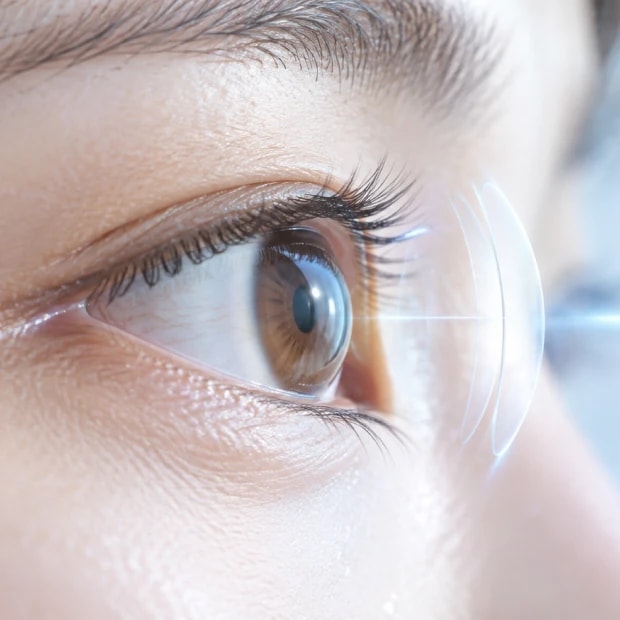
Preserves more
residual cornea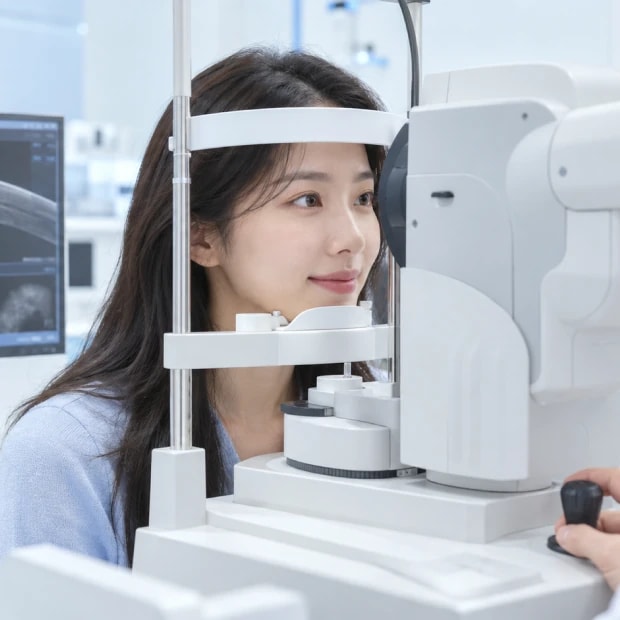
Possible even with
thin corneas
BGN LASEK, only at BGN Eye Clinic
Corneal strengthening & dry eye care options
The safety of not cutting the cornea!
BGN LASEK is a trusted vision correction procedure whose safety has been proven through countless surgical cases.


Less Corneal Damage & Pain
Chilled water is applied during surgery to prevent laser heat damage,
minimizing corneal damage and post-op pain.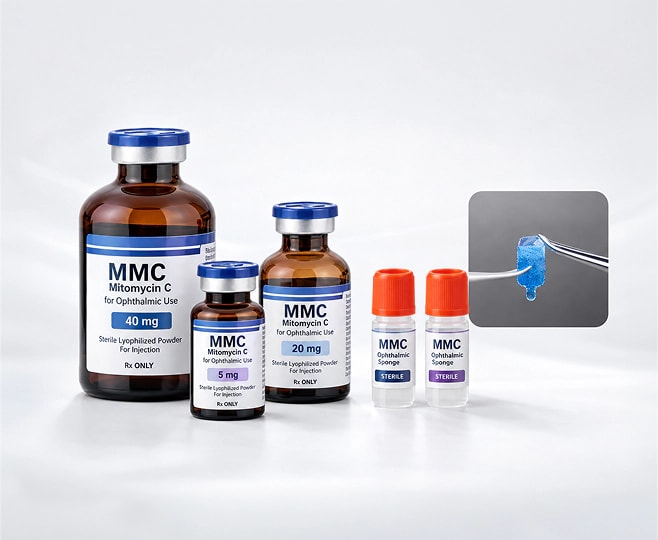
Faster Healing: MMC & Amniotic Membrane
An amniotic membrane aids corneal healing
for a faster recovery.
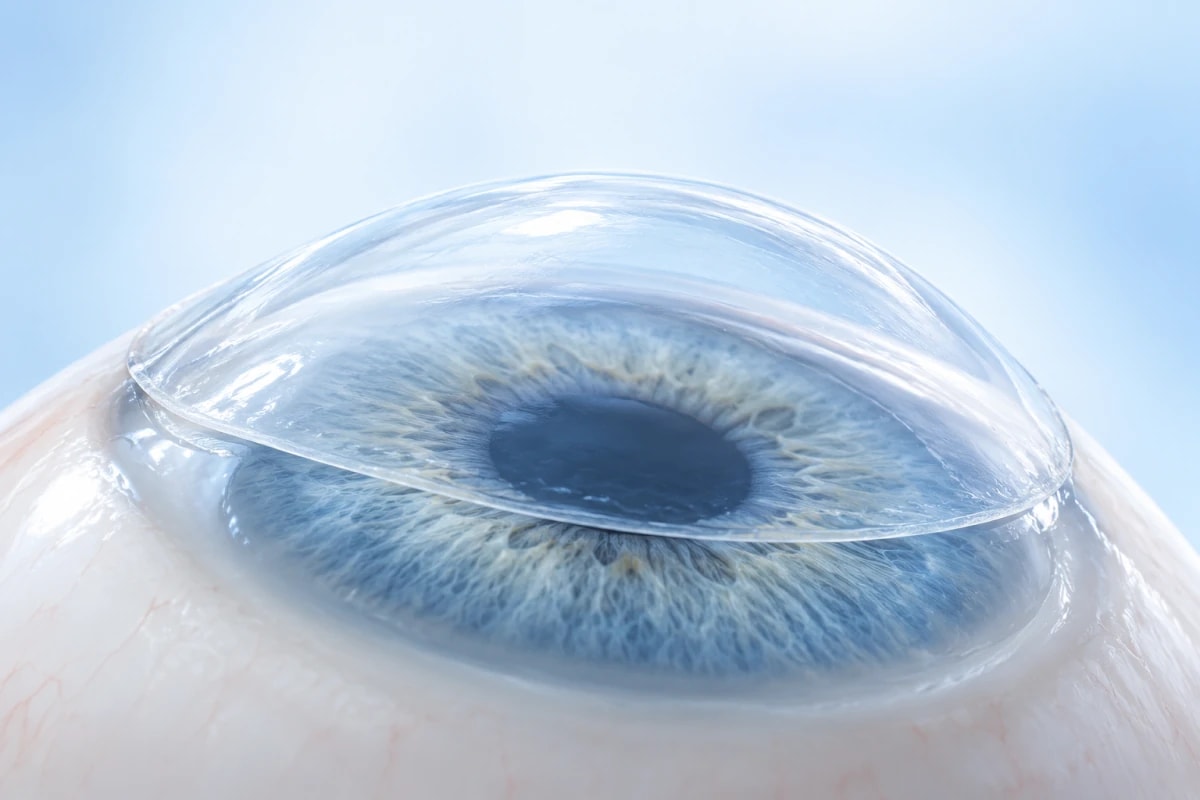
Safe LASEK without cutting the cornea
BGN LASEK
BGN LASEK is a trusted vision correction procedure
whose safety has been proven throughout the entire surgical process.
2 key points
of BGN LASEK

Technical Point01
Minimizing Corneal Damage & Pain
To prevent inflammatory damage from the microscope light,
an appropriate amount of chilled water is applied periodically during surgery
to minimize corneal damage and post-op pain.
Technical Point02
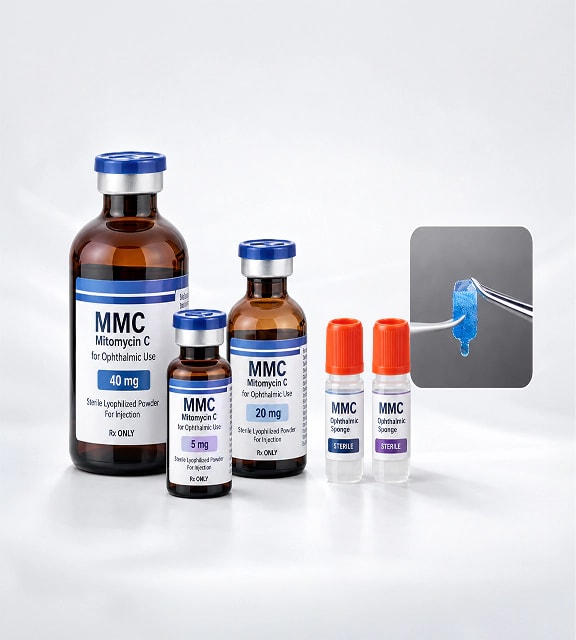
Faster Healing with MMC & Amniotic Membrane
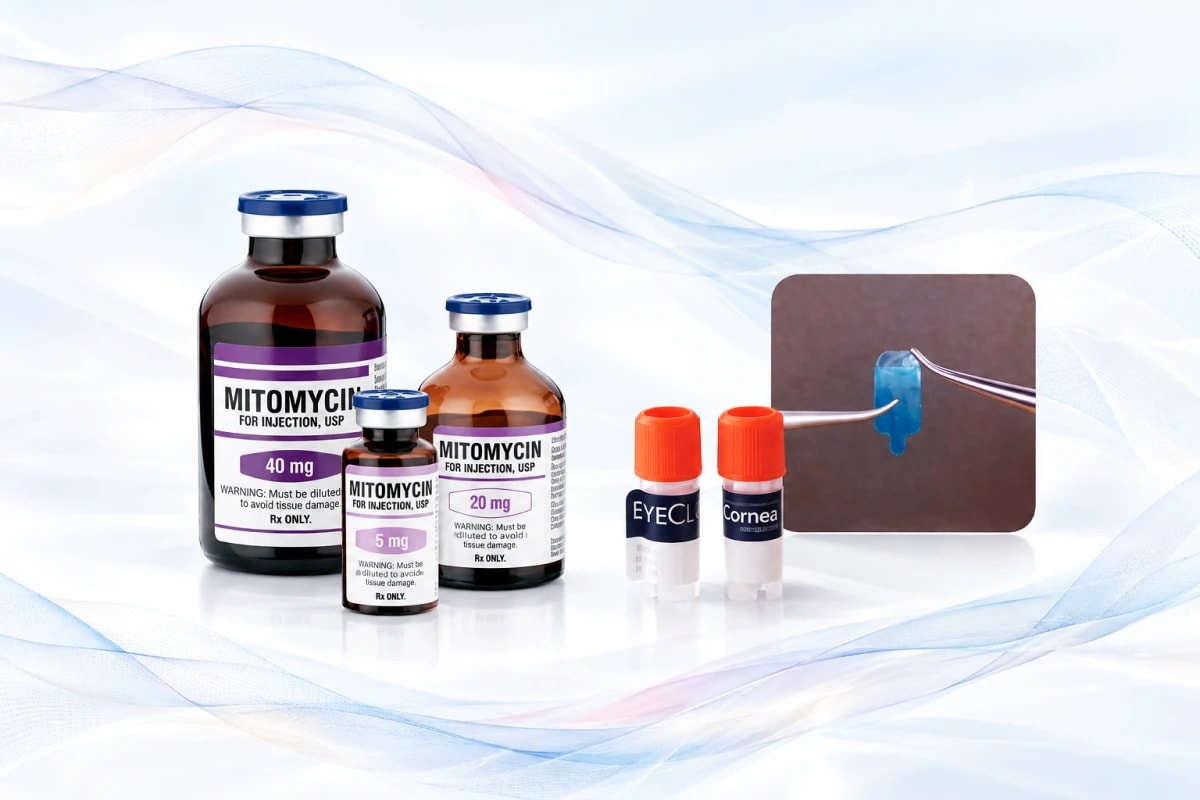
MMC (mitomycin C), which aids corneal recovery, and an amniotic membrane
made from placental tissue are used to help you recover after surgery.
Less pain, and even thin corneas made stronger!
Triple LASEK
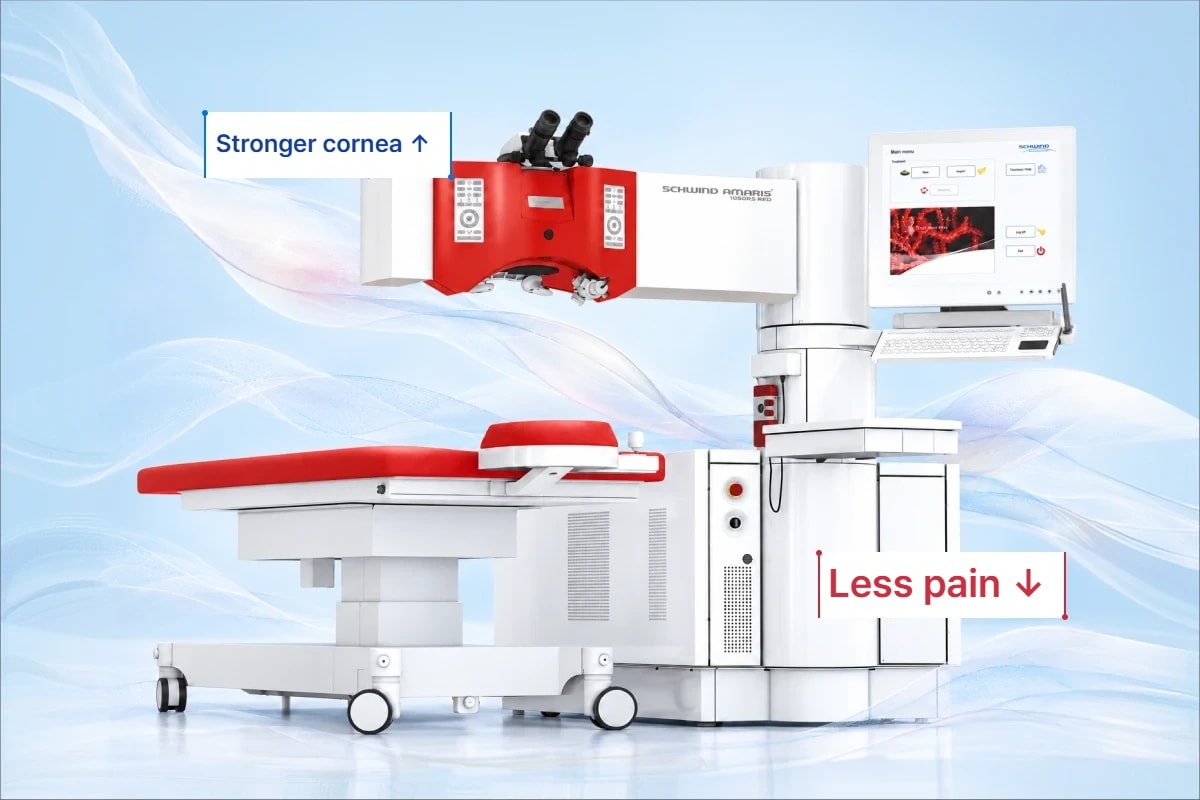
LASEK that reduces pain with the Amaris Red 1050Hz pulsed laser and an AI system,
and strengthens the cornea through cross-linking.
3 key points
of Triple LASEK
Technical Point01
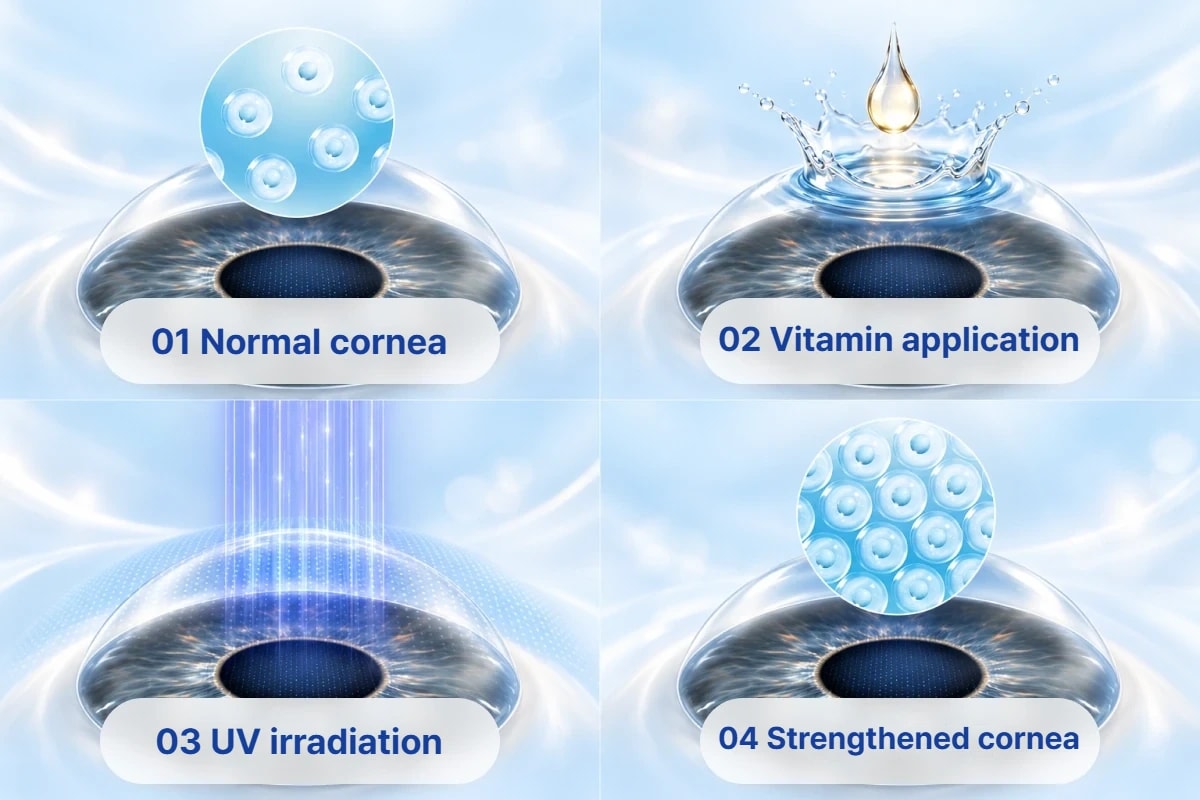
150% Corneal Strengthening with Cross-linking
Cross-linking applies vitamin drops and UV light
to increase the bonding strength of corneal cells,
helping you keep a strong cornea after surgery.
Technical Point02
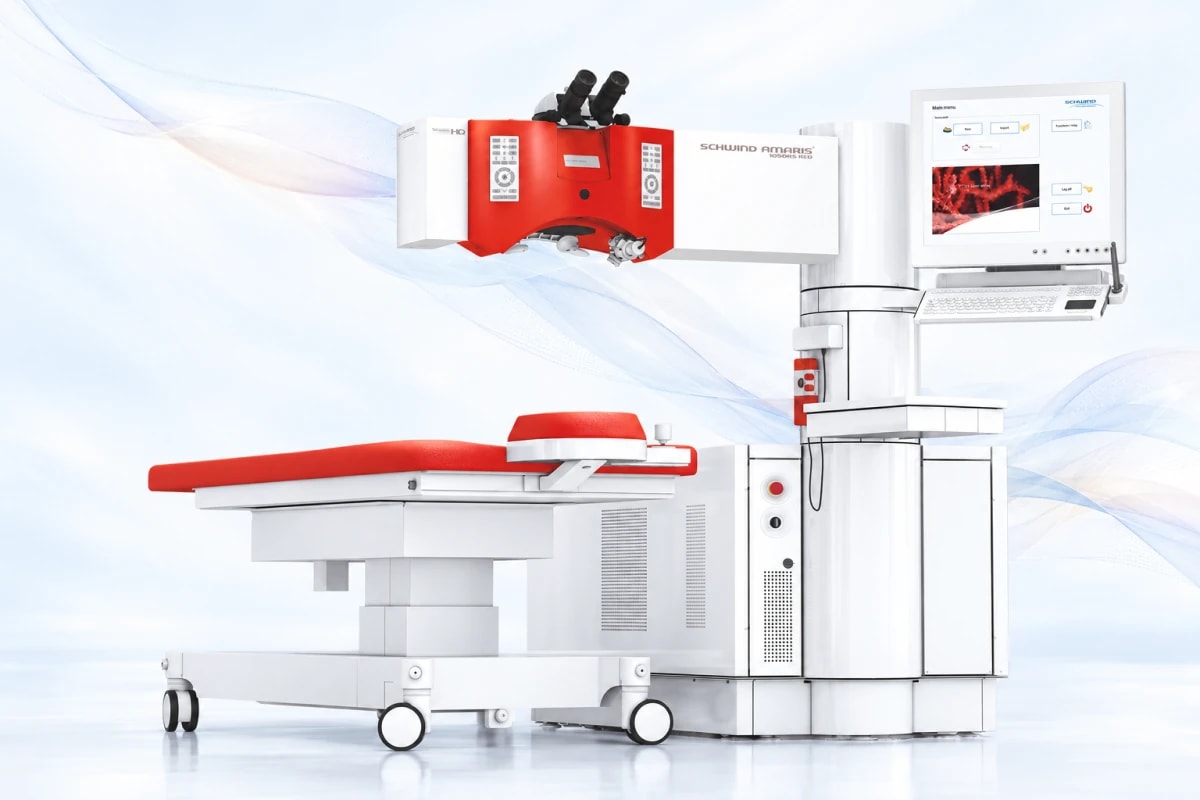
Precise, Safe Surgery with Amaris Red
Fast corneal ablation with a 1050Hz pulsed laser minimizes thermal damage to cells,
and All-Laser mode precisely removes epithelium only where needed. The ITEC AI system analyzes heat generated during laser treatment to prevent thermal damage, and the 7D eye-tracking system tracks and predicts tiny eye movements during surgery
so the laser is applied in exactly the right place.
Technical Point03
Fast Recovery with MMC & Amniotic Membrane
MMC (mitomycin C), which aids corneal recovery, and an amniotic membrane
made from placental tissue help the cornea recover quickly after surgery.
Less pain, a stronger cornea!
Quattro LASEK
An option that includes cross-linking corneal strengthening
and a dry eye care program.
4 key points
of Quattro LASEK
Technical Point01
150% Corneal Strengthening with Cross-linking
Cross-linking applies vitamin drops and UV light
to increase the bonding strength of corneal cells,
helping you keep a strong cornea after surgery.
Technical Point02
Advanced Amaris Red System
With a 1050Hz pulsed laser and advanced eye‑tracking system,
the cornea is reshaped quickly and precisely while minimizing thermal damage to cells.
Technical Point03
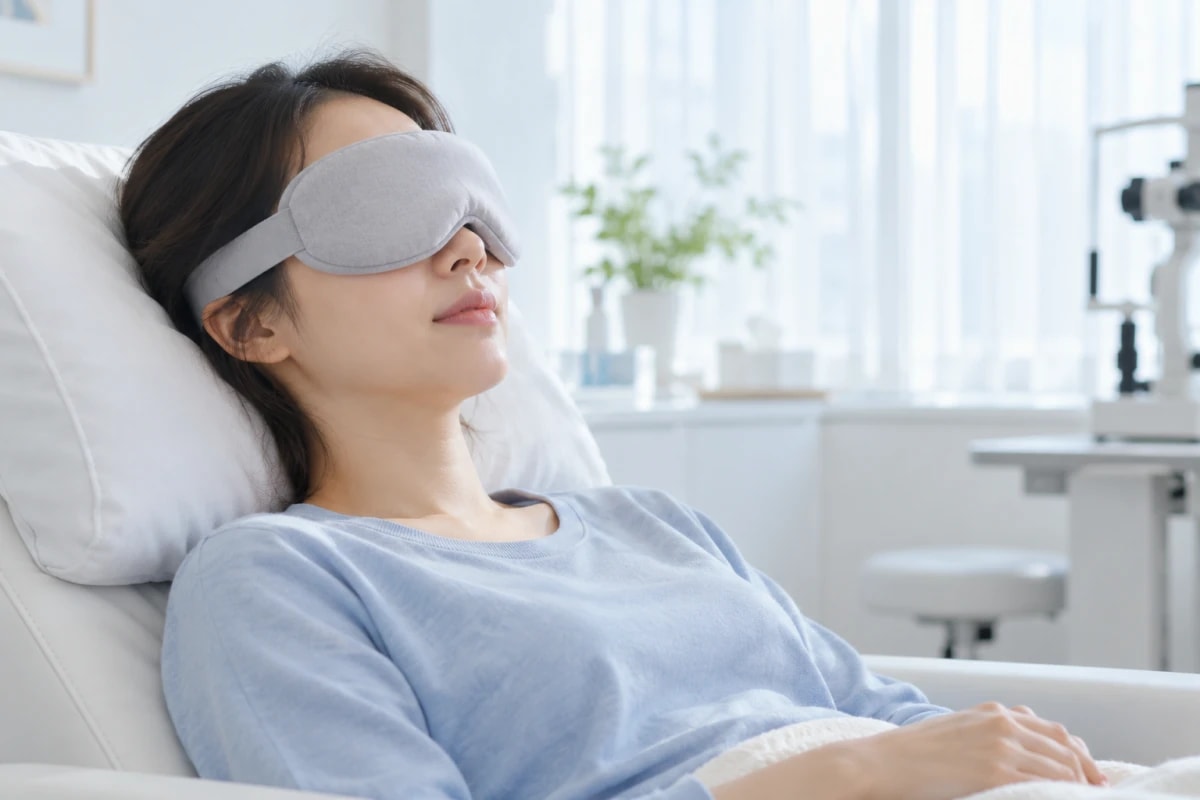
BGN 3-Step Warm Compress
A 3-step care routine of vibration massage → heat massage → air-pressure massage
relaxes the muscles around the eyes and melts the oils in the eyelid glands.
Finally, air-pressure massage releases the oils
and forms a lipid layer on the eye to reduce tear evaporation.
Technical Point04
Corneal Recovery Care with Hyalein Eye Drops
Hyalein eye drops, based on a substance widely found in connective tissue that provides adhesion and elasticity,
protect tissues such as the iris and retina as well as corneal cells,
and help the damaged cornea recover after surgery.
Recovery after LASEK
LASEK has a somewhat longer initial recovery than LASIK, so pain management after surgery is very important.
STEP 1
Surgery Day
From 2–4 hours after surgery, as the anesthesia wears off, you may feel a heavy foreign-body sensation. Resting with your eyes closed is best, and if the pain is severe you can take the prescribed pain reliever. Never touch the protective contact lens.
STEP 2
Days 2–3
This is when pain is greatest. Your eyes may sting and keep watering; this is a normal part of the corneal epithelial cells gathering and regenerating. Cold compresses can help relieve pain. Keep your surroundings dim and minimize smartphone use.
STEP 3
Day 5
Pain eases, and you visit the clinic to have the protective contact lens removed. Vision may still be unstable, but daily activities become possible. Take care that water does not directly touch your eyes when washing your face.
STEP 4
Weeks 1–2
Vision gradually recovers to 60–80%. Eye makeup is allowed after 2 weeks, as is light exercise. Wear sunglasses outdoors to protect your eyes from UV light.
STEP 5
Months 1–3
Vision gradually stabilizes and nighttime glare decreases. Swimming is possible after 1 month, along with vigorous exercise. It is important to keep using your prescribed eye drops consistently.
Frequently Asked Questions
It is true that there is more pain than with LASIK for 2–3 days after surgery. However, recent advances in equipment have greatly reduced it, and it can be managed well with pain relievers and cold compresses.
Never try to put it back yourself; visit the clinic where you had surgery right away to have a new lens fitted. If the lens comes out, the exposed epithelium can cause pain to return.
You can wash your face once the protective lens is removed (around day 5). Take care that water does not directly touch your eyes.
About 1–3 months. It is slower than LASIK, but the final visual outcome is the same, and minor changes may continue for up to 6 months.
With no corneal flap, it is the most resistant to external impact, making it suitable for military personnel.
However, SMILE LASIK has similar advantages, so we recommend deciding on the best procedure after a detailed examination.

LASEK Pre & Post-op Care
Please stop wearing contact lenses before surgery for accurate testing. Avoid eye makeup on the day of surgery,
and after surgery take care not to rub your eyes or irritate them.
Because the corneal epithelium needs time to recover after LASEK, keep water and foreign matter out of your eyes in the early period, and protect them from UV light.
Use your prescribed eye drops as directed and have regular follow-up check-ups.
See below for detailed pre- and post-op precautions and care for LASEK.
Recommended Reading
Explore more information and stories about LASEK.
BGN EVENT
Don’t miss out on BGN benefits. Check out our current events.