

Comprehensive Eye Exam · Glaucoma
Glaucoma: a silent threat to your field of vision
It often has no obvious symptoms in the early stages,
so regular tests to check the optic nerve and visual field are essential.


What types of glaucoma are there?
Glaucoma is classified into several types by cause, eye pressure and age of onset.
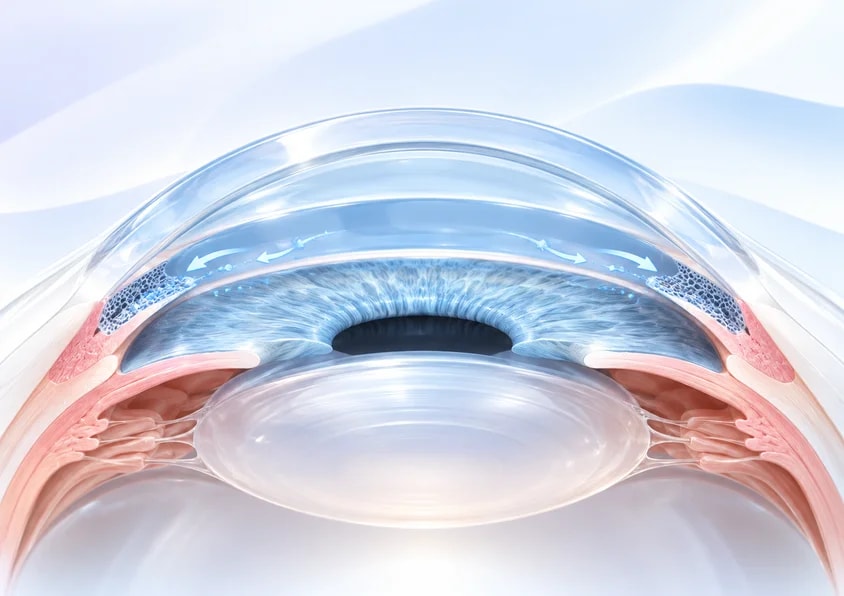
Open-Angle Glaucoma
The drainage angle is open, but impaired drainage
can cause eye pressure to rise.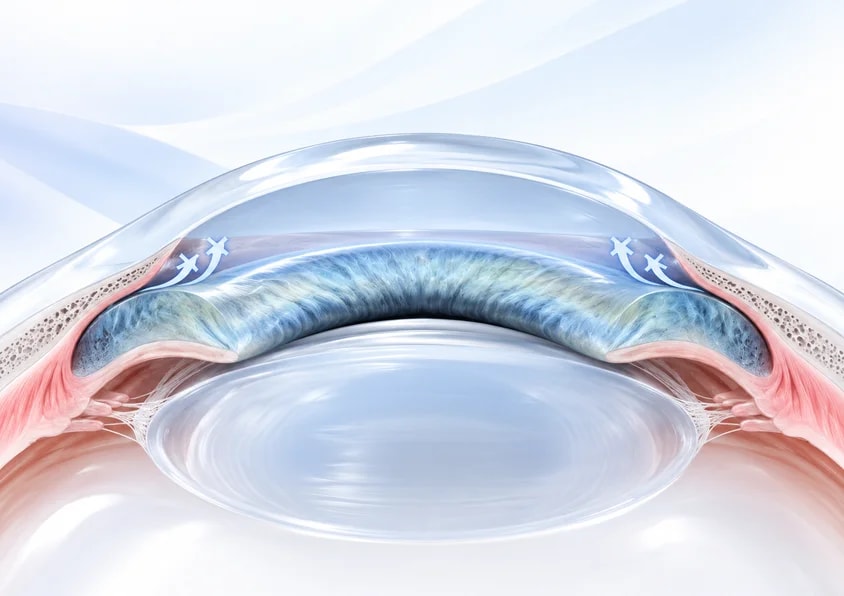
Angle-Closure Glaucoma
Eye pressure can rise when the drainage angle
narrows or becomes blocked.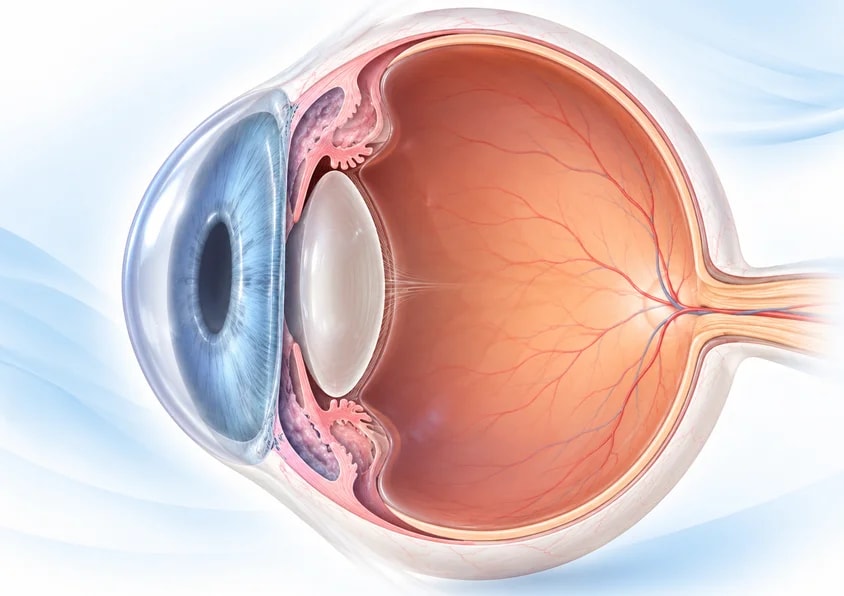
Normal-Tension Glaucoma
Can occur when the optic nerve is damaged
even though eye pressure is in the normal range.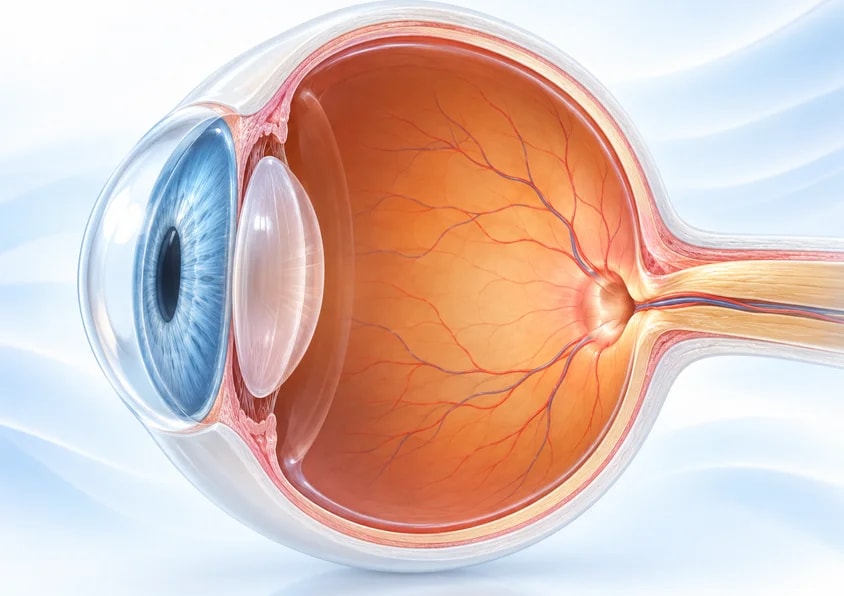
Pediatric & Congenital Glaucoma
Can occur at a young age due to congenital abnormalities
of the eye structure or problems during development.
What are the symptoms of glaucoma?
There are often no obvious symptoms early on, but various changes can appear as it progresses.
Few Symptoms Early On
Optic nerve damage progresses slowly,
making it hard to notice on your own.Narrowing Peripheral Vision
Vision narrows gradually from the outer edges,
while central vision may remain until later.Partial Loss of Vision
You may miss steps or bump into things often
as parts of your vision become blocked.Severe Eye Pain & Headache
When eye pressure rises suddenly,
severe pain may occur in the eyes and head.Redness & Reduced Vision
The eyes may become red and bloodshot,
and vision may suddenly turn hazy.Halos & Nausea
You may see rainbow-like rings around lights,
or experience nausea and vomiting.
What causes glaucoma?
Not only raised eye pressure but also optic nerve structure, blood flow<pbr></pbr> and individual risk factors can combine to play a role.

Eye Pressure
Not only raised eye pressure but also optic nerve structure, blood flow
and individual risk factors can combine to play a role.
Family History
Having a family member with glaucoma
can increase your risk.
High Myopia
A weaker optic nerve structure can make the eye
more vulnerable to glaucomatous damage.
Age
The risk of glaucoma
increases with age.
Optic Nerve Blood Flow
Poor blood supply to the optic nerve can also play a role.

Steroid Use
In some cases, steroid use
can raise eye pressure.
What tests are used for glaucoma?
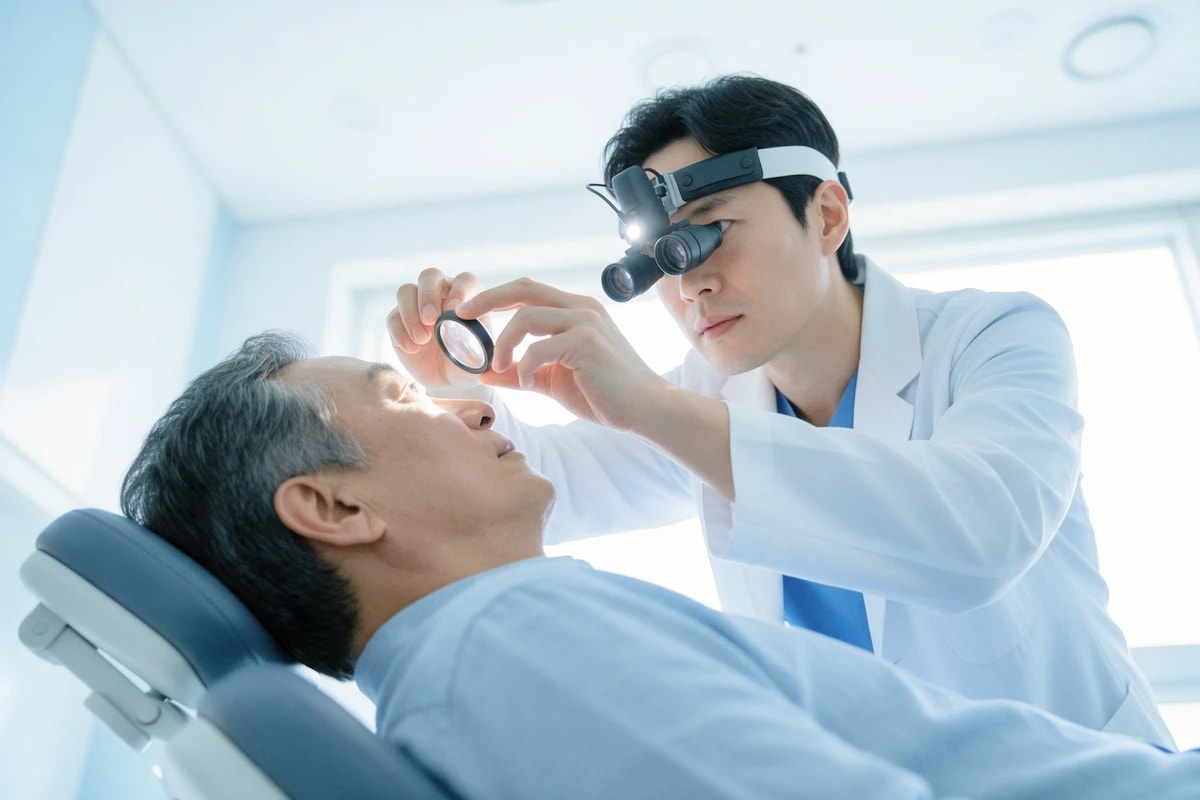
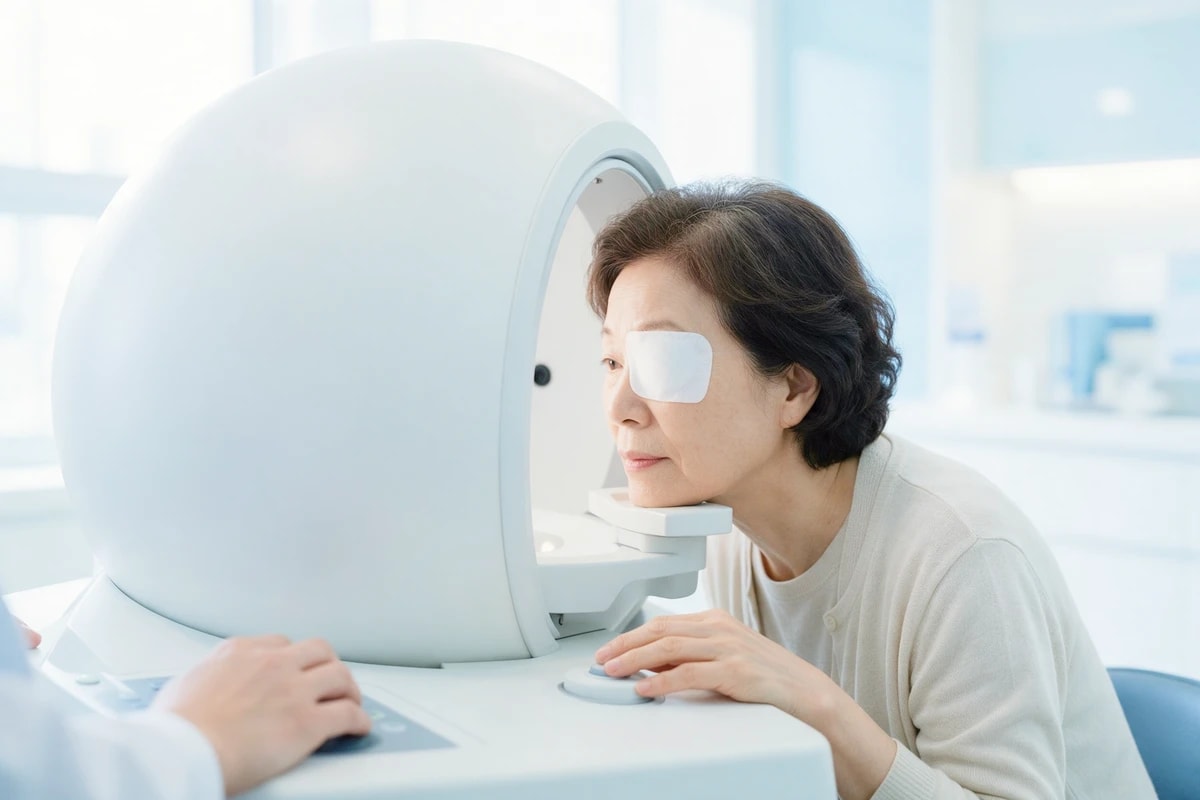
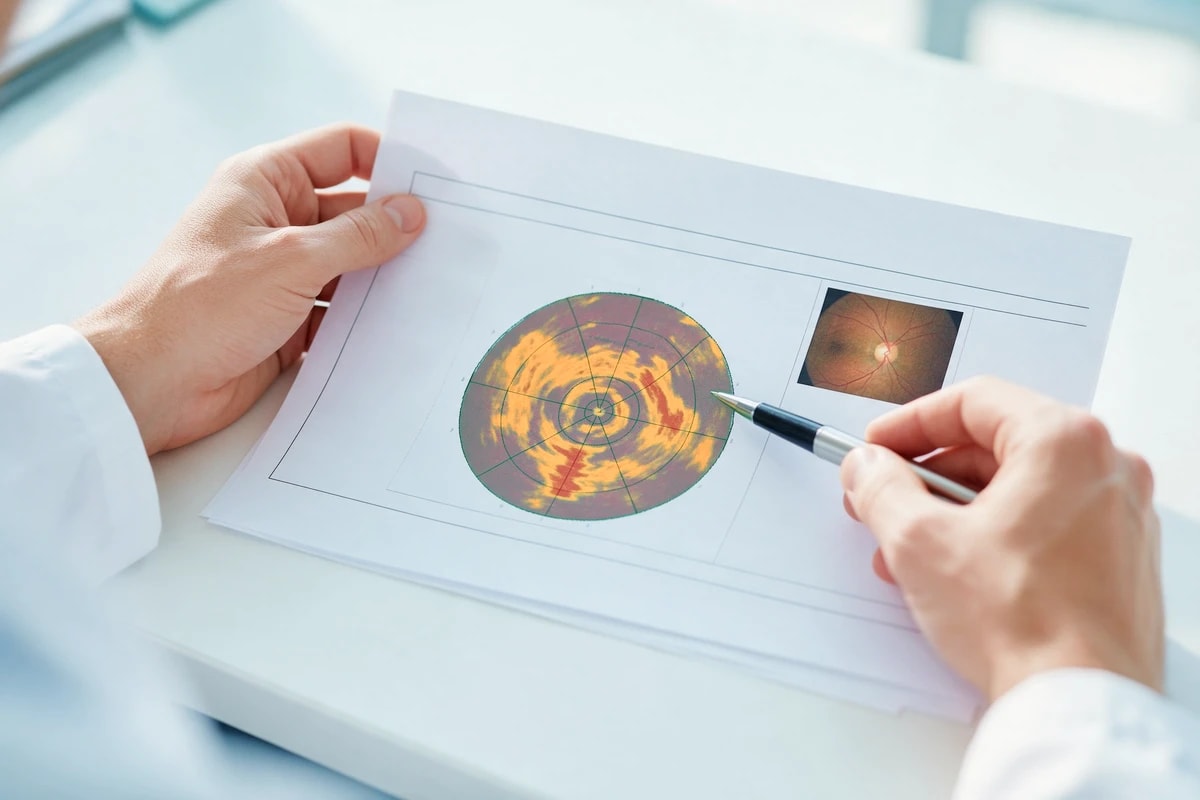
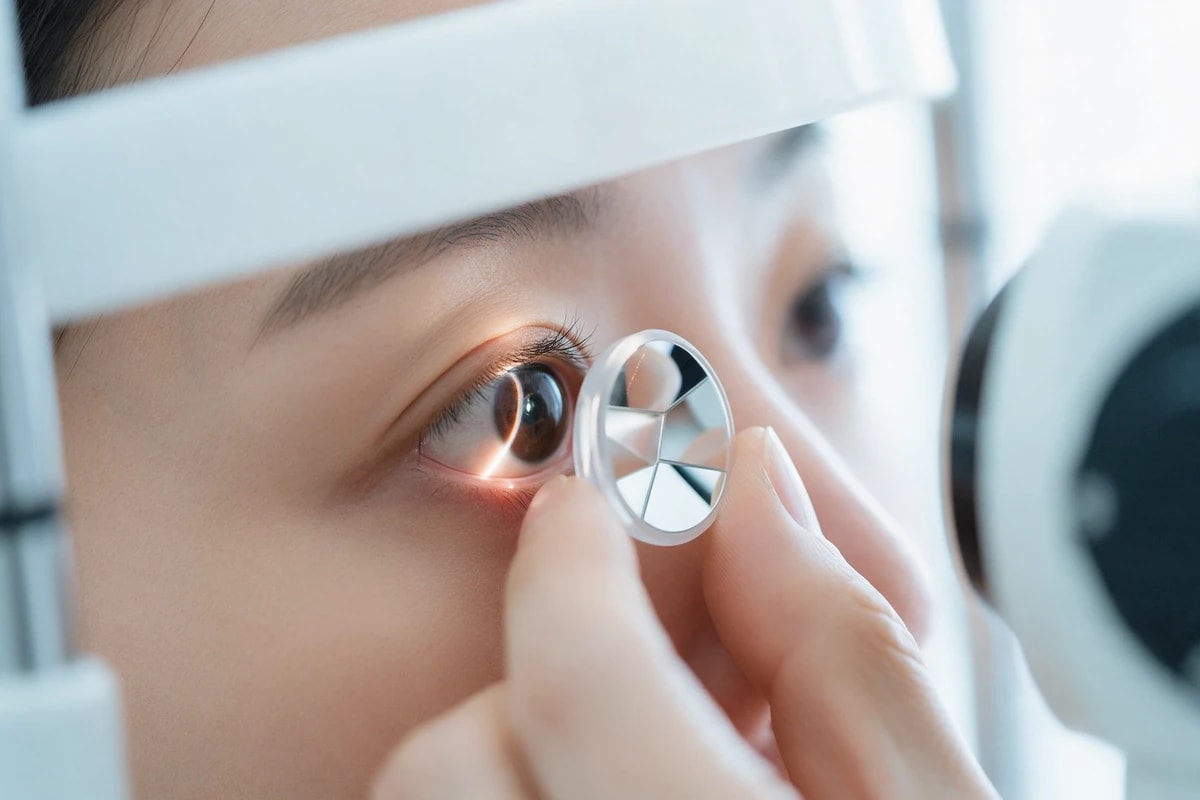
We comprehensively check eye pressure, the optic nerve and visual field to determine whether glaucoma is present and how far it has progressed.
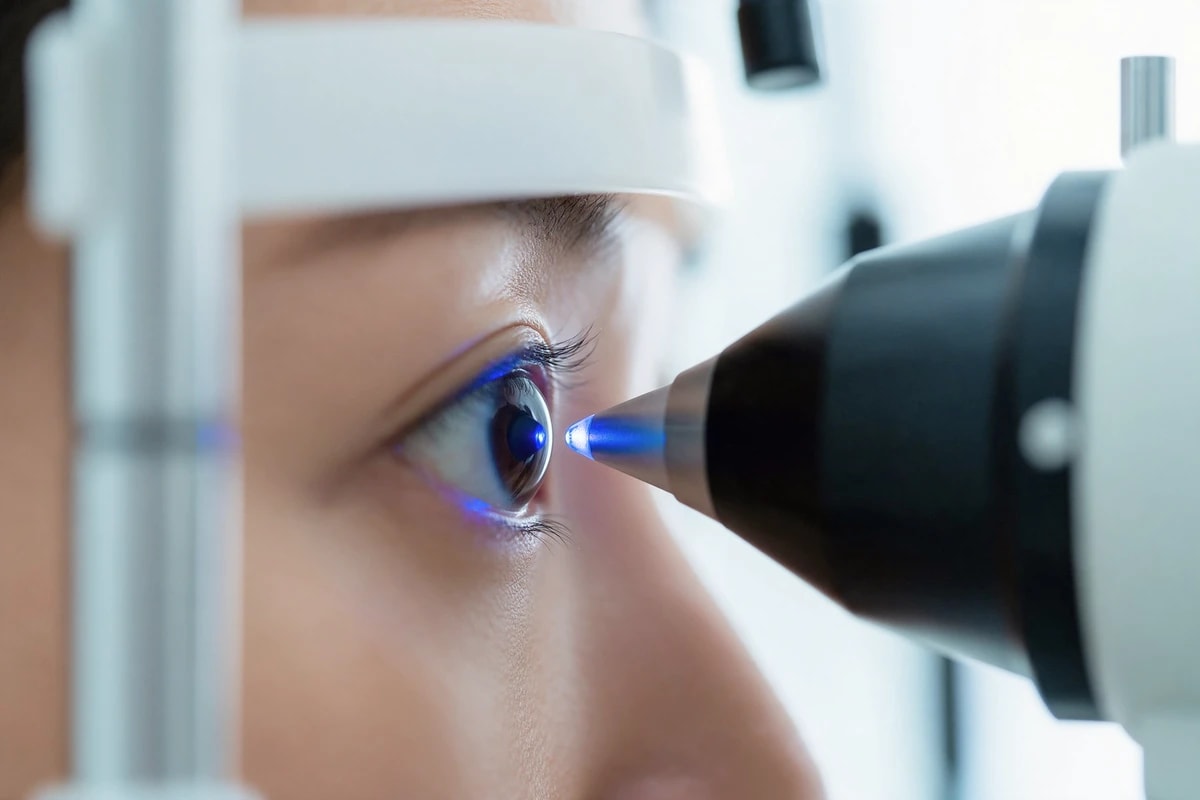
Eye Pressure Test
Measures current eye pressure to check for glaucoma risk factors.
0105
How is glaucoma treated?
The goal of treatment is to control eye pressure and slow optic nerve damage to preserve as much visual function as possible.


Medication
Eye drops that lower eye pressure
reduce the strain on the optic nerve.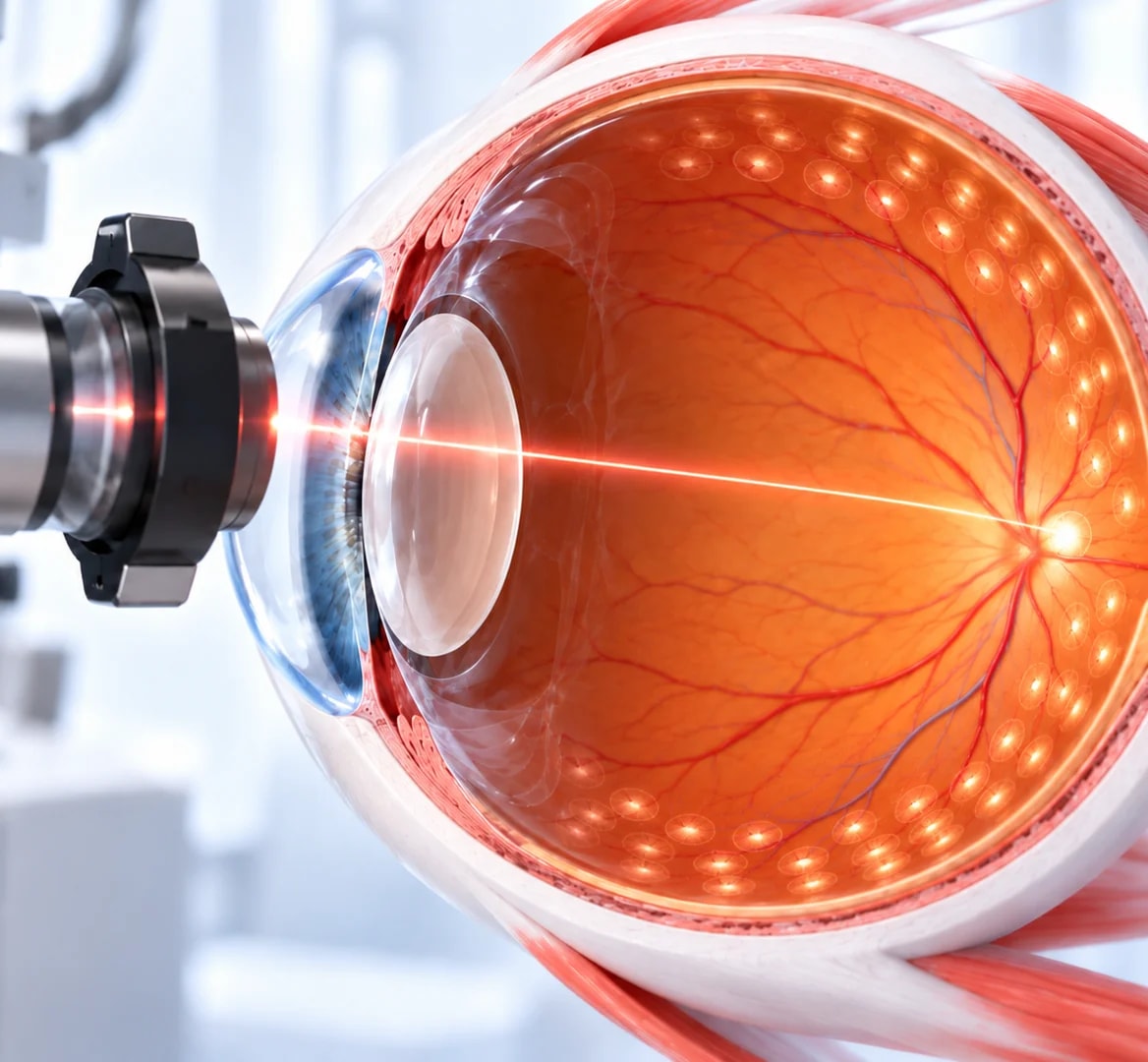
Laser Treatment
Depending on the type of glaucoma and eye condition,
a laser improves fluid outflow and controls eye pressure.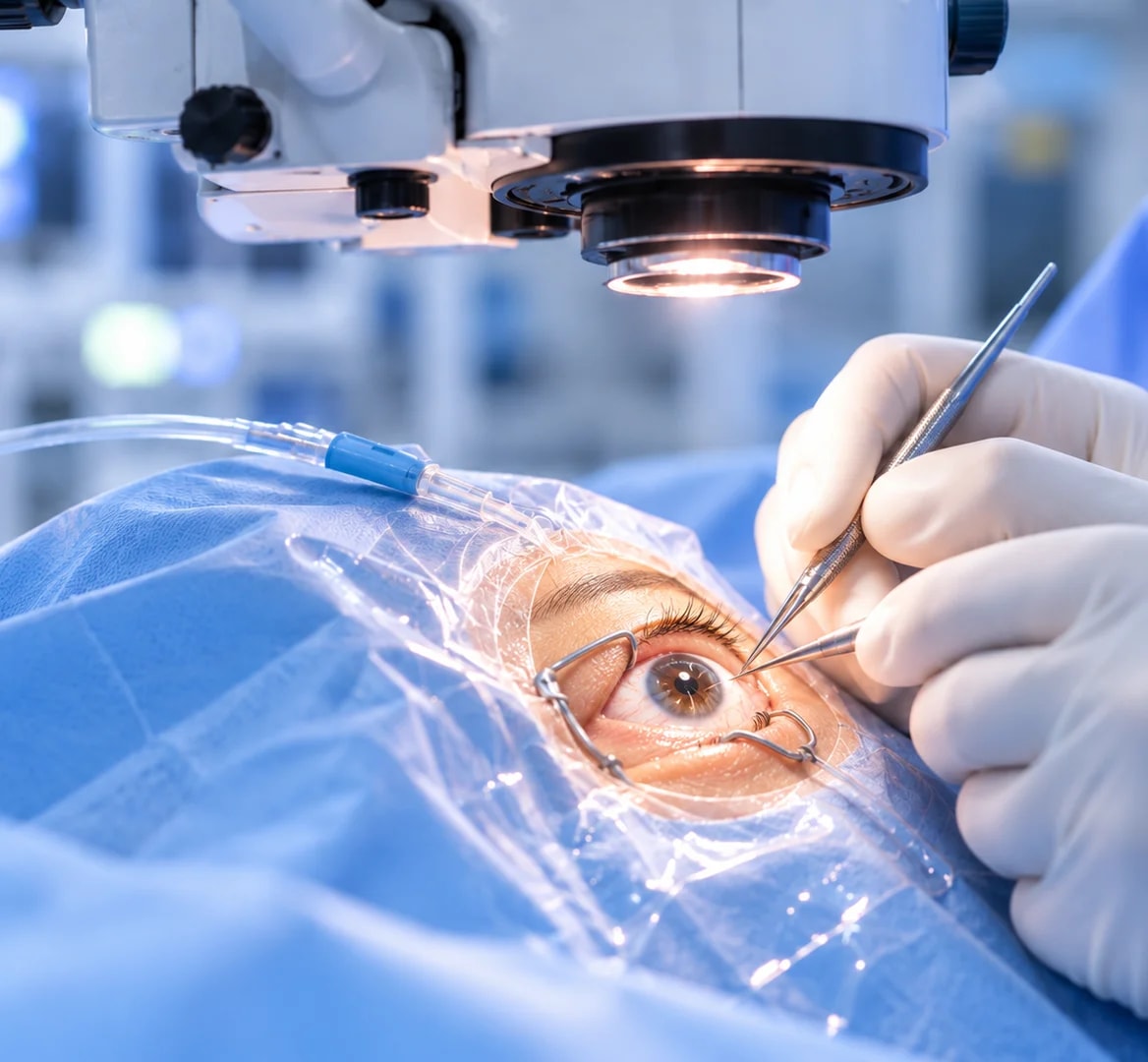
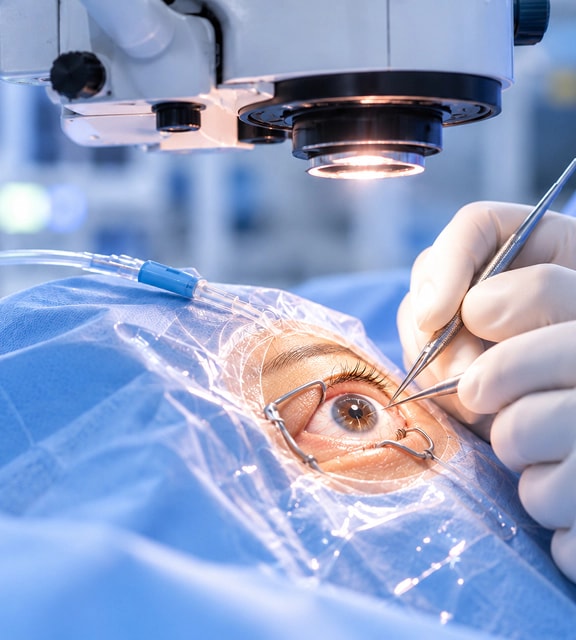
Surgery
If eye pressure is difficult to control with medication
or laser alone, surgery may be considered.
Managing eye pressure at home
Stay consistent with your prescribed treatment and have regular check-ups to monitor changes in eye pressure, optic nerve and visual field.

Regular Check-ups
Regularly check not only eye pressure
but also the optic nerve and visual field.
Use Eye Drops as Prescribed
Use eye drops at the prescribed dose and schedule,
and never stop on your own.
Healthy Lifestyle
Maintain healthy habits such as not smoking,
drinking in moderation and eating a balanced diet.
Everyday Precautions
Be careful with prolonged head-down postures
and activities that involve excessive straining.
Glaucoma care starts with an accurate exam
A comprehensive exam that checks eye pressure, optic nerve and visual field together
determines whether glaucoma is present and how far it has progressed.
Frequently Asked Questions
Yes. Glaucoma often has no obvious symptoms early on, making it hard to notice yourself.
Even without symptoms, regular check-ups of the optic nerve and visual field are important.
Sudden eye pain together with headache, redness and blurred vision may be acute angle-closure glaucoma. Eye pressure may have risen sharply, so seek eye care promptly.
Yes. Normal-tension glaucoma, in which the optic nerve is damaged even though eye pressure is in the normal range, can occur. That is why the optic nerve and visual field must be checked as well as eye pressure.
Generally, regular eye exams are recommended after age 40 even without symptoms. If you have risk factors such as a family history or high myopia, it is best to set a check-up schedule with your doctor.
Optic nerve damage that has already occurred is difficult to reverse. The goal of treatment is therefore to prevent further damage and preserve the remaining visual function.
Yes. Prescribed eye drops should be used consistently as directed by your doctor even if you have no symptoms. Do not stop or change how often you use them on your own.