Without reshaping the cornea
EVO+ ICL Implantable Lens
A special lens is implanted inside the eye without reshaping the cornea,
an option even for high myopia and thin corneas.
- EVO+ Aqua ICL
- No corneal damage
- Removable lens


Vision correction that implants a lens inside the eye without reshaping the cornea
ICL
For thin corneas or extreme myopia, ICL implants a vision-correcting lens
inside the eye, correcting vision without damaging the cornea.


What is ICL?
How does ICL correct vision?
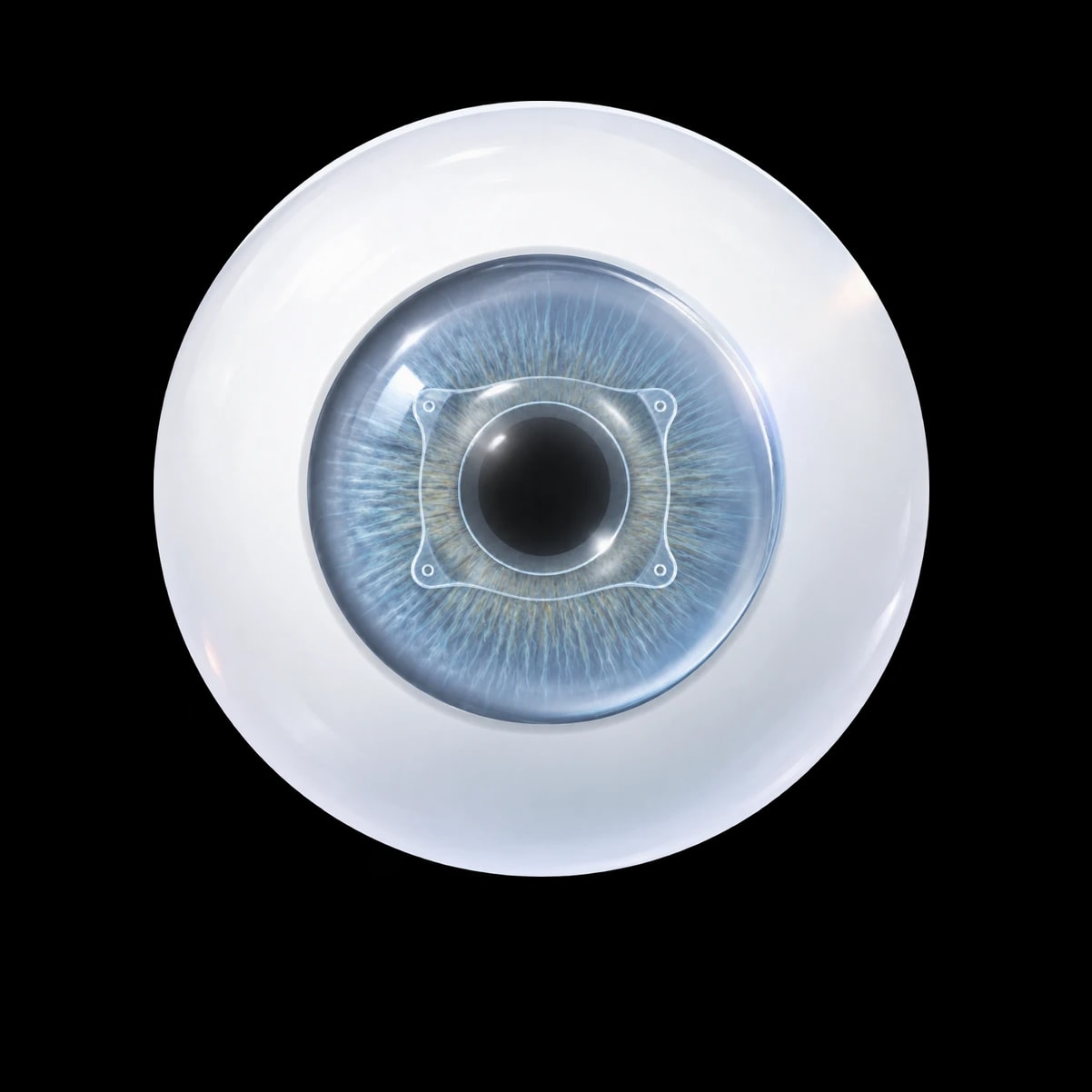
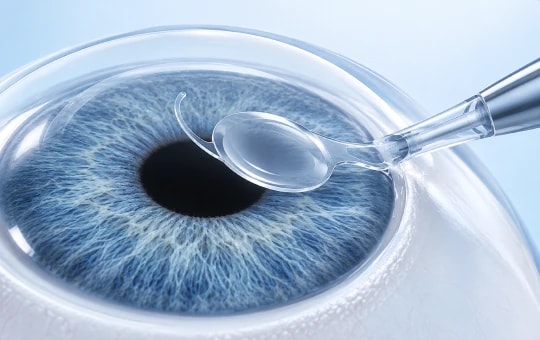
ICL (Implantable Collamer Lens) is surgery that corrects refractive errors by implanting a special vision-correcting lens inside the eye.
Because the lens is placed inside the eye without reshaping the cornea, it can be considered for patients with high myopia
who would otherwise need a lot of corneal tissue removed, and the implanted lens can be removed if necessary.
Who can consider ICL?
Is ICL right for me?
ICL is not a one-size-fits-all procedure.
Eligibility is determined after a detailed examination of your eye structure and condition.

of glasses or contact lenses

for your eye condition
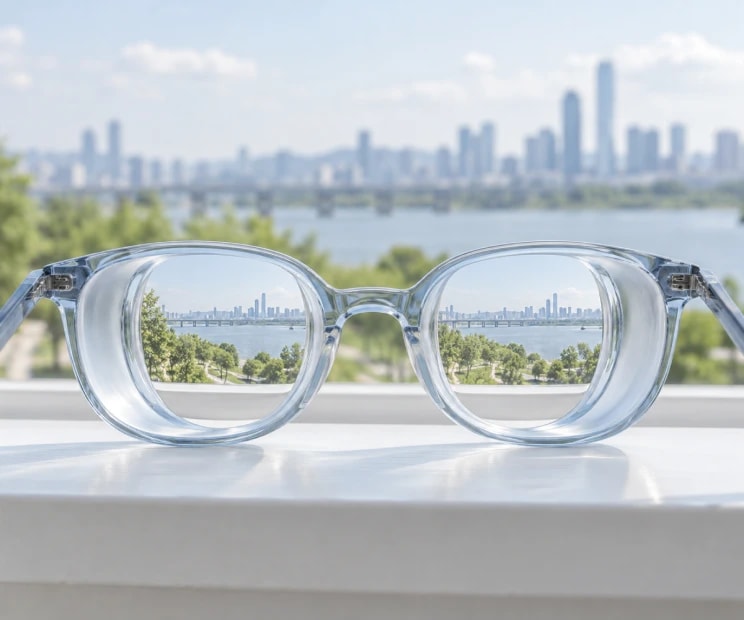
removing a lot of corneal tissue
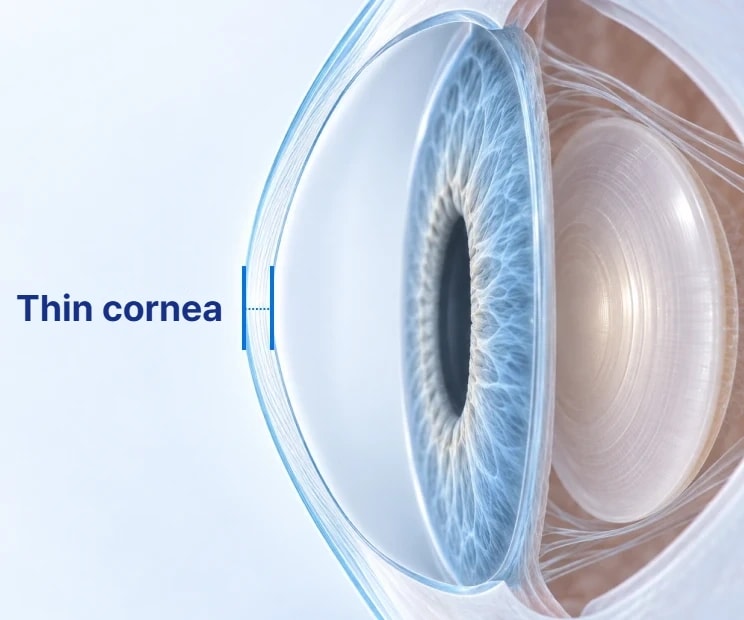
for corneal laser surgery

that does not reshape the cornea
of glasses or contact lenses
for your eye condition
removing a lot of corneal tissue
for corneal laser surgery
that does not reshape the cornea
of glasses or contact lenses
for your eye condition
removing a lot of corneal tissue
for corneal laser surgery
that does not reshape the cornea
of glasses or contact lenses
for your eye condition
removing a lot of corneal tissue
for corneal laser surgery
that does not reshape the cornea
ICL Procedure
From detailed examination to confirming lens position
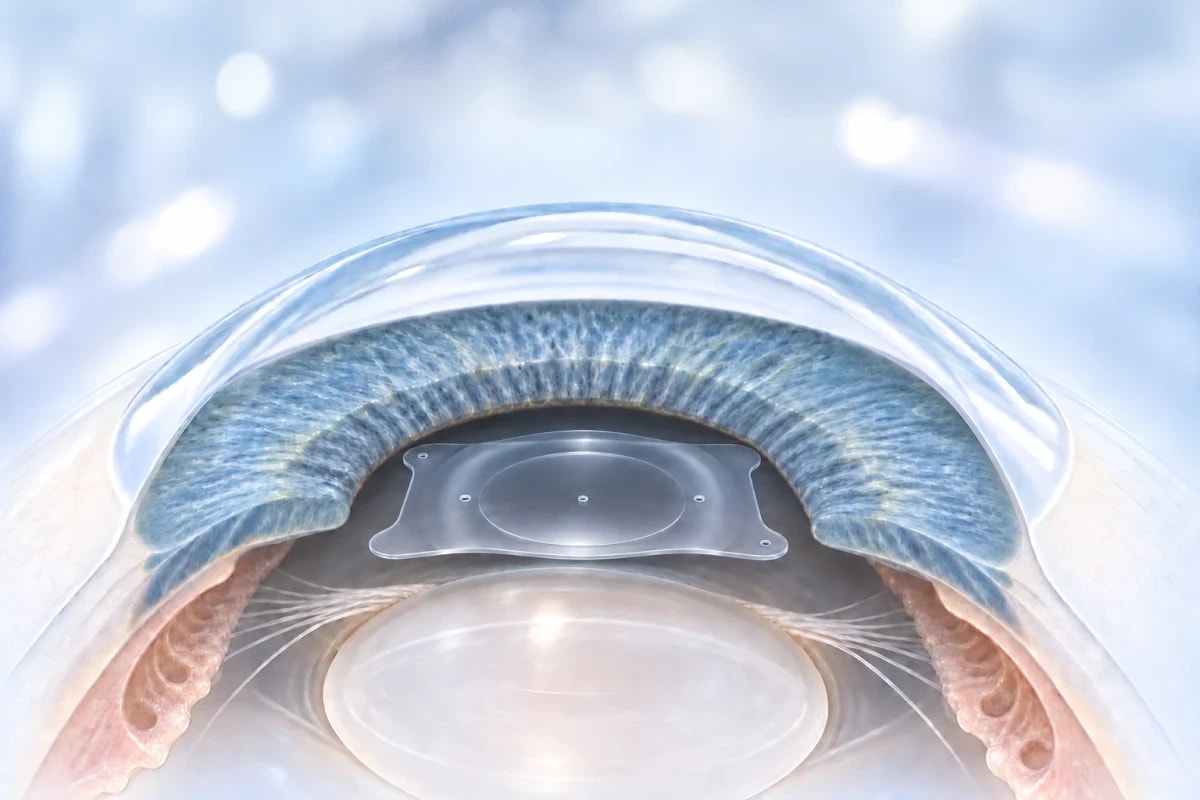
In ICL, it is essential to choose a lens suited to your eye based on the pre-op examination and implant it in exactly the right position.
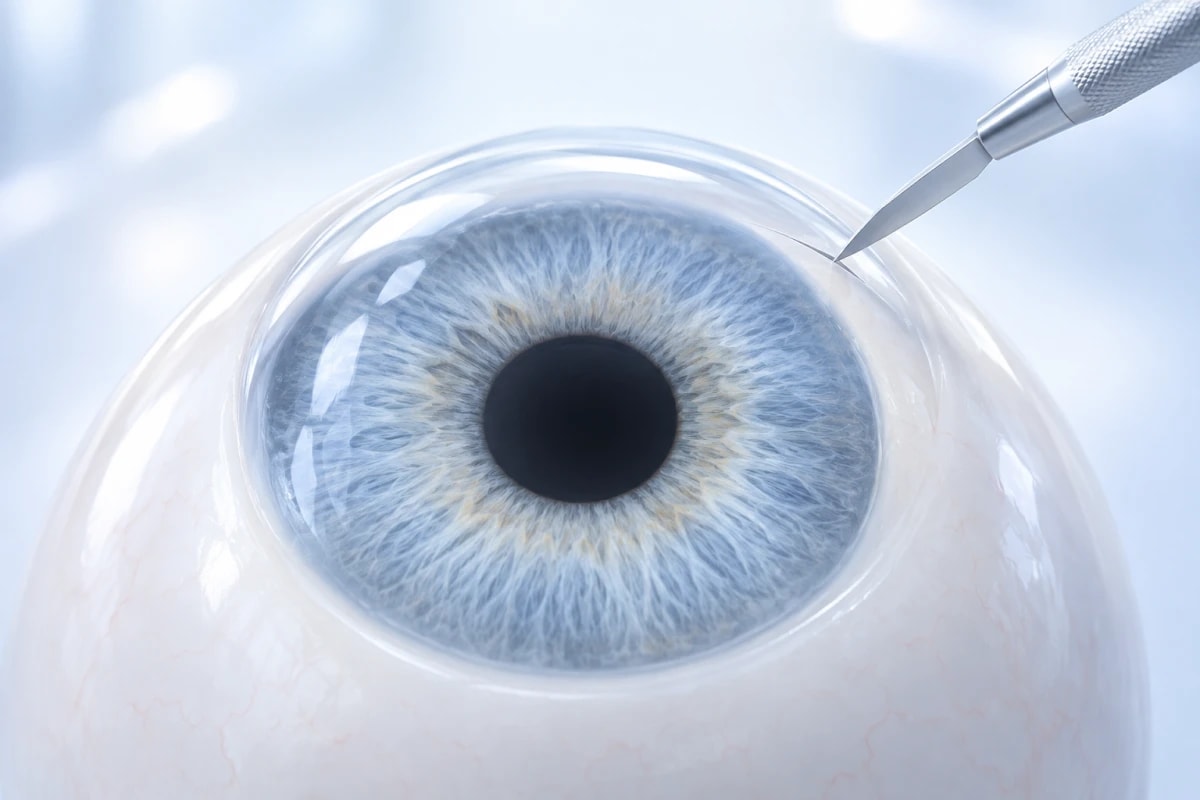
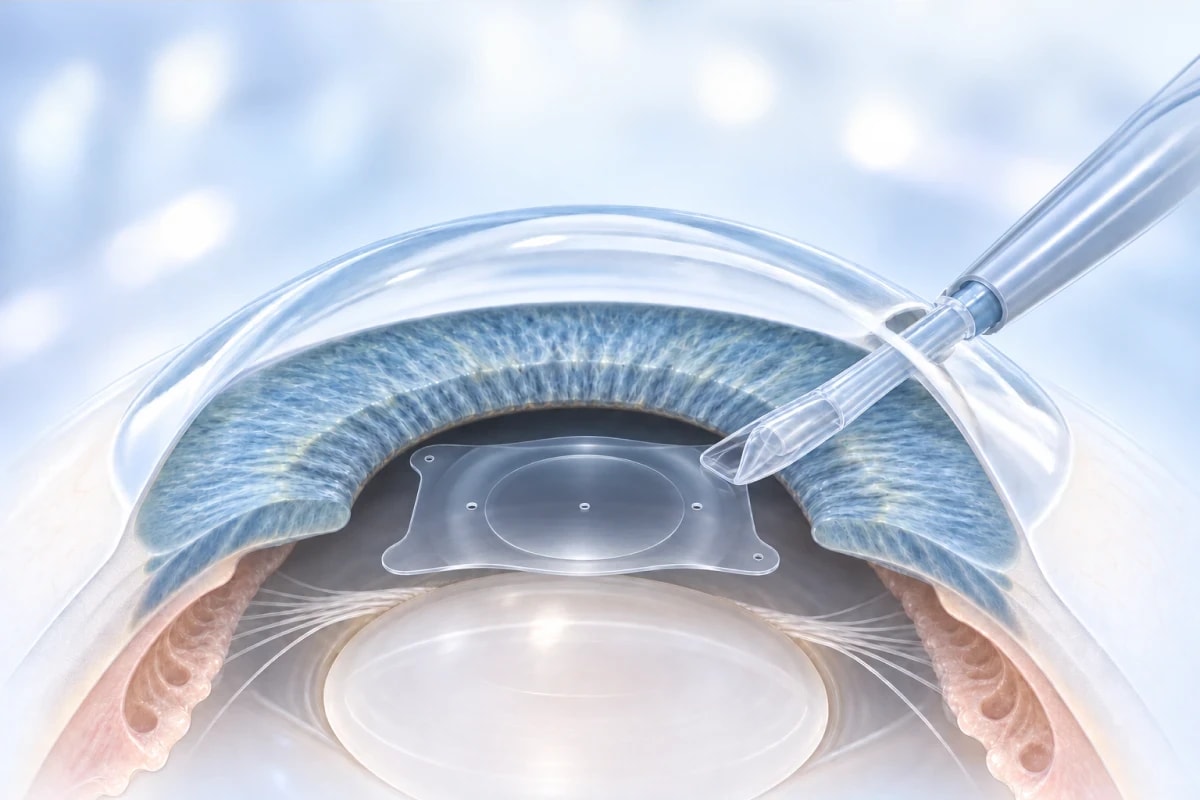
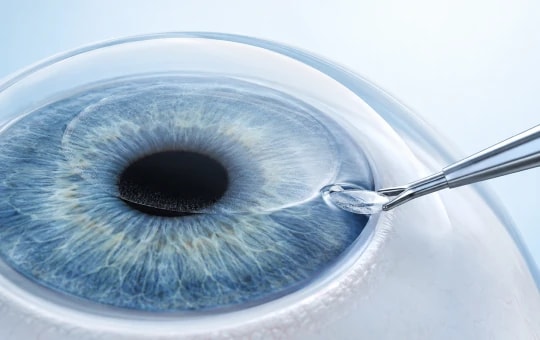
Anesthetic Drops & Micro-incision
After anesthetic eye drops, a tiny incision
is made so the lens can be inserted.
0103
How do vision correction procedures differ?
LASIK · LASEK · SMILE LASIK · ICL comparison
All vision correction procedures aim to improve vision, but they differ in how they correct the eye and in surgical method.
 |  |  |  | |
| Comparison | LASIK | LASEK | SMILE LASIK | ICL |
|---|---|---|---|---|
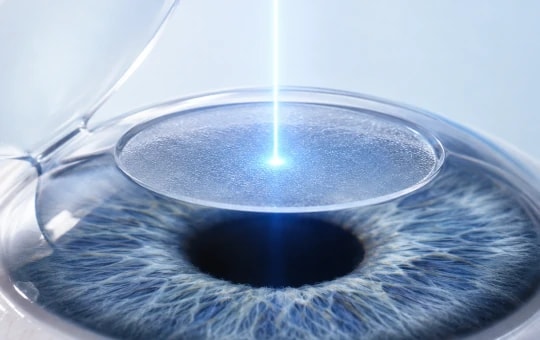
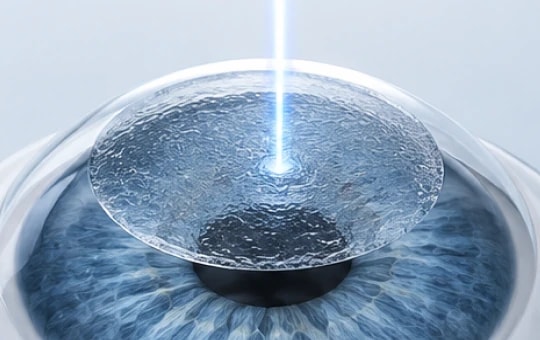
| Principle | Corneal flap created, laser applied under the flap | Corneal epithelium removed, then laser applied | Micro-incision, only the stromal lenticule extracted | Special lens implanted inside the eye |
| Incision Size | About 20mm | No incision (epithelium removed) | About 2mm | About 3mm |
| Pain | Almost none | Moderate for 2–3 days | Almost none | Almost none |
| Recovery | Back to daily life the next day | Back to daily life in 3–5 days | Back to daily life the next day | Back to daily life in 1–3 days |
| Resistance to Impact | Risk of flap displacement | Very strong | Strong | No corneal damage |
| Likelihood of Dry Eye | Relatively high | Relatively low | Lowest | Low |
| Price Range | KRW 1.9M–3M | KRW 1.2M–2.3M | KRW 2.3M–3.4M | KRW 4.9M–5.9M |
| Recommended For |
|
|
|
|
Key points of ICL
Vision correction without reshaping the cornea
Instead of reshaping the cornea directly, ICL corrects vision by implanting a vision-correcting lens inside the eye.
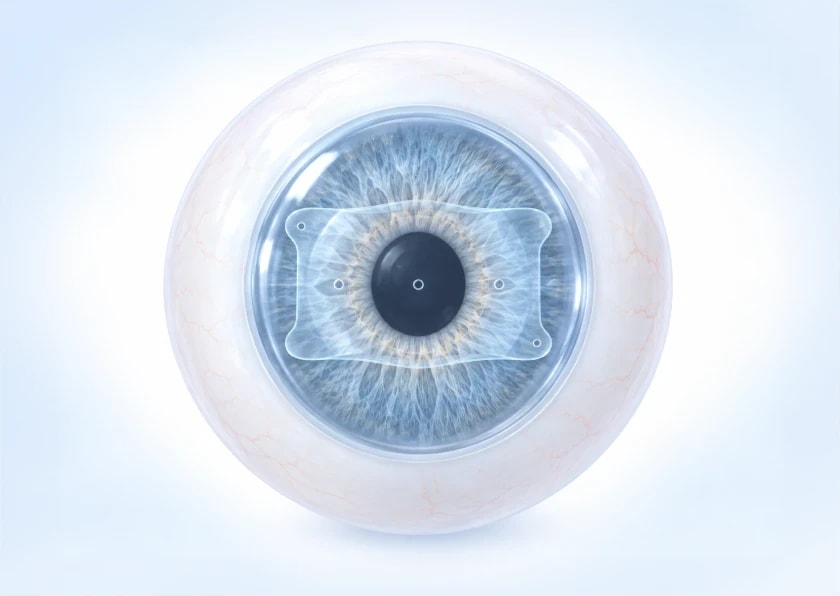
No Direct Corneal Reshaping
A lens is implanted inside the eye
without reshaping the cornea.
An Option for High Myopia
Can be considered as a vision correction option when high myopia
would require removing a lot of corneal tissue.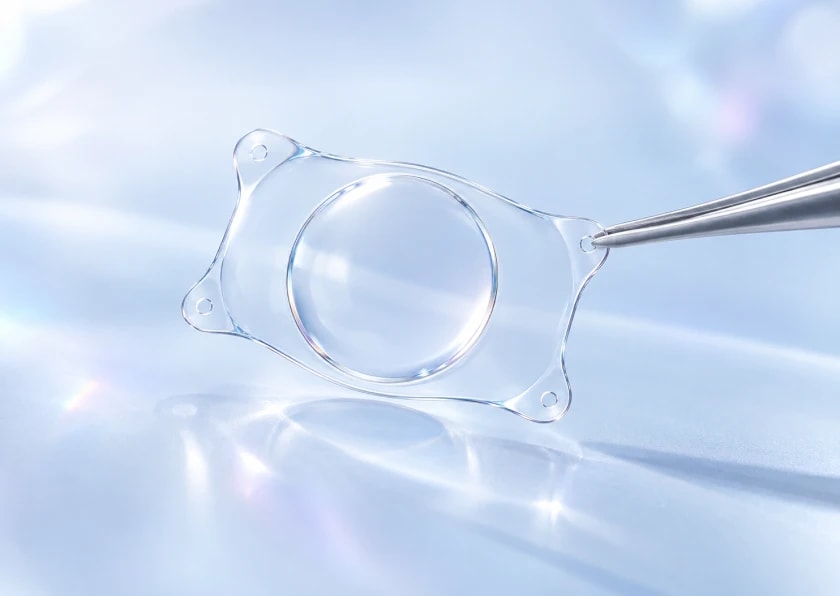
Removable Lens
If necessary, the implanted lens can be removed
at your doctor’s discretion.
Low Risk from External Impact
Eye structure and prescription are checked precisely
to select the right lens.
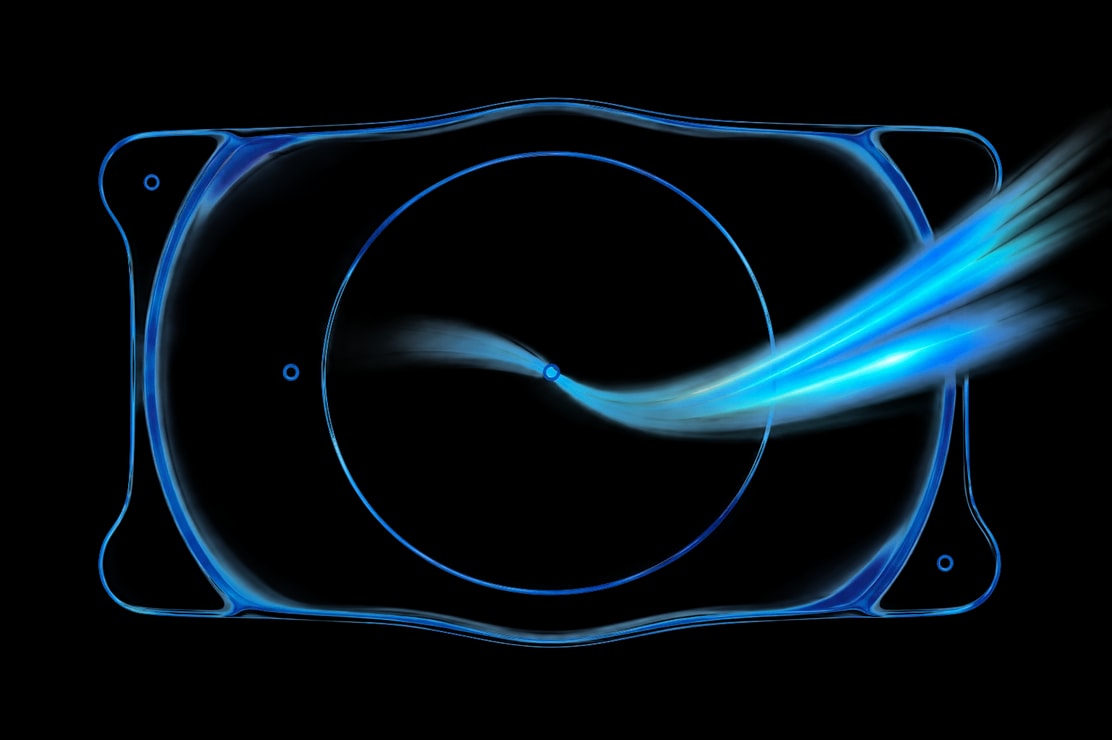
EVO+ Aqua ICL
An advanced implantable lens: EVO+ Aqua ICL
EVO+ Aqua ICL is an implantable lens placed inside the eye to correct vision, featuring a central port
designed with the natural flow of fluid inside the eye in mind.
It corrects vision without reshaping the cornea, and surgery proceeds
after suitability is confirmed for your eyes.
What makes EVO+ Aqua ICL different
Key features of EVO+ Aqua ICL

Comfortable vision with effective near and distance correction
Vision correction that considers both near and distance
provides comfortable vision in daily life.
Preserves the cornea, with no tissue removal
The lens is implanted inside the eye without reshaping the cornea,
preserving corneal tissue.
Removable later, because the cornea is preserved
Since the cornea is not reshaped, the implanted lens can be removed
if necessary at your doctor’s discretion.
Excellent biocompatibility with polymer material
Made from biocompatible Collamer material,
designed for use inside the eye.
UV protection
A lens with UV-blocking properties that can help protect your eyes
from everyday UV exposure after surgery.

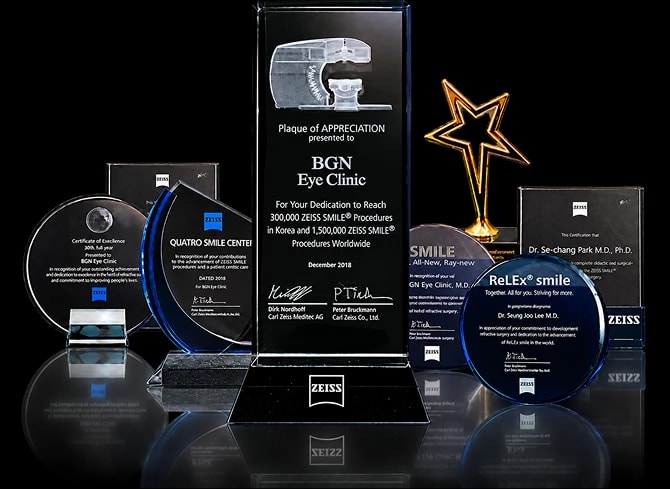
Over 26 years
of clinical experience
Built on more than 26 years of clinical experience, we pursue safe and accurate ICL surgery.
ICL is not simply a matter of inserting a lens.
What matters is accurately understanding the eye’s structure before surgery, choosing the right lens for you,
and implanting it in exactly the right position.
BGN Eye Clinic continues to deliver safer, more accurate vision correction
based on expertise built through ongoing research and extensive clinical experience.
Why choose ICL at BGN Jamsil
With extensive experience, skilled doctors and a precise examination system, we pursue more accurate ICL surgery.

Ongoing Research by Our Doctors
ICL requires accurate measurement of the anterior chamber
and depth inside the eye,
making the experience and skill of the surgeon essential.
Precise Examination & Diagnosis
We accurately assess your eye condition
and determine the right lens and surgical method.
Experienced Doctors
Drawing on extensive clinical experience, we perform
precise surgery tailored to your eyes.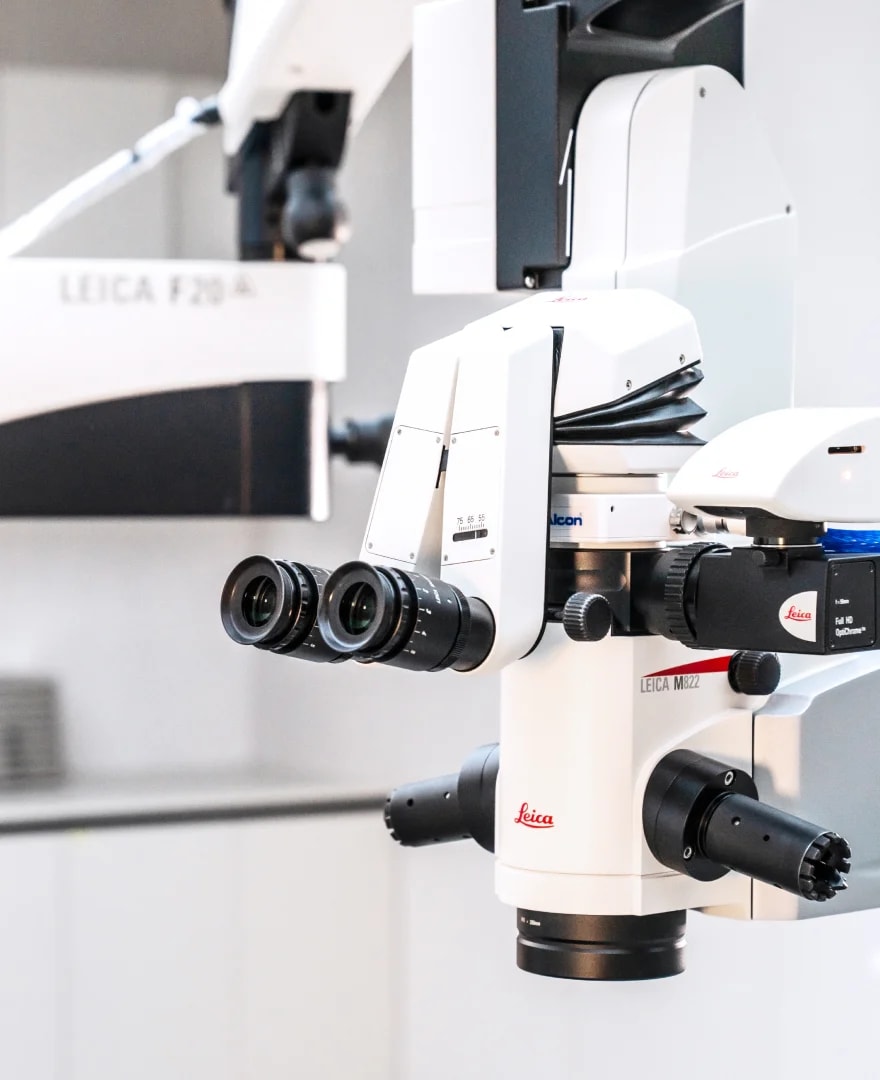
Precise Surgical Equipment
We use precision medical equipment
for accurate testing and stable surgery.
Recovery after ICL
Because ICL does not reshape the cornea, recovery is relatively quick, and regular eye pressure checks after surgery are important.
STEP 1
Surgery Day
You may have slight foreign-body sensation, redness and glare.
Wear the protective eye shield
and take care not to rub your eyes.STEP 2
Day After Surgery
Vision may recover
to 70–80%.
It is important to visit the clinic
to have your eye pressure checked;
the foreign-body sensation gradually fades.STEP 3
Week 1
Vision begins to stabilize,
and light daily activities are possible.
It is best to avoid alcohol.STEP 4
Months 1–3
Vision is mostly stable; exercise
is possible from 1 month after surgery.
Regular check-ups monitor eye pressure
and lens condition.STEP 5
After 3 Months
Even after vision stabilizes,
regular eye exams are recommended to check
eye pressure, endothelial cells
and lens position.
Frequently Asked Questions
Eligibility is determined after a detailed examination of your prescription, corneal condition and eye structure.
Anesthetic eye drops are applied before surgery, so there is little pain during the procedure. Afterward, some people may feel a foreign-body sensation or discomfort.
It varies by person, but light daily activities are usually possible from the day after surgery. For specific activities, follow your doctor’s guidance based on your recovery.
Since the cornea is not reshaped, the implanted lens can be removed if necessary at your doctor’s discretion.
Yes. Regular eye exams are needed after surgery to check eye pressure, lens position and corneal endothelial cells.
The right procedure depends on your degree of myopia and astigmatism, corneal thickness and shape, and eye condition, so it is decided through a detailed examination.
Because the cornea is not reshaped, the risk of dry eye from corneal nerve damage is relatively low, though temporary dryness may occur after surgery.
Light daily activities are possible fairly quickly, but swimming and strenuous exercise may be restricted depending on your recovery, so it is best to wait for your doctor’s guidance.

ICL Pre & Post-op Care
Please stop wearing contact lenses before surgery for accurate testing. Avoid eye makeup on the day of surgery,
and after surgery take care not to rub or press hard on your eyes.
Because ICL involves implanting a lens inside the eye, protect your eyes from impact in the early period,
and use your prescribed eye drops as directed. Regular check-ups to monitor lens position and eye condition are also important.
See below for detailed pre- and post-op precautions and care for ICL.
Recommended Reading
Explore more information and stories about ICL.


BGN EVENT
Don’t miss out on BGN benefits. Check out our current events.