

Comprehensive Eye Exam · Pterygium
Tissue growing from the white of the eye onto the cornea: pterygium
Conjunctival tissue grows toward the cornea and can cause redness and a foreign-body sensation,
so regular monitoring according to its progression is important.
What is pterygium?
It is a condition in which fibrovascular tissue grows from the white of the eye toward the cornea.
Pterygium usually starts on the inner conjunctiva and invades the cornea as fibrovascular tissue proliferates.
In the early stages a triangular patch of tissue may be visible on the white of the eye; as it gradually advances toward the center of the cornea, it can affect vision and astigmatism.
- Conjunctival tissue growth
- Redness · Foreign-body sensation
- Effects on vision & astigmatism
What are the symptoms of pterygium?
Various symptoms can appear depending on how far it has progressed.
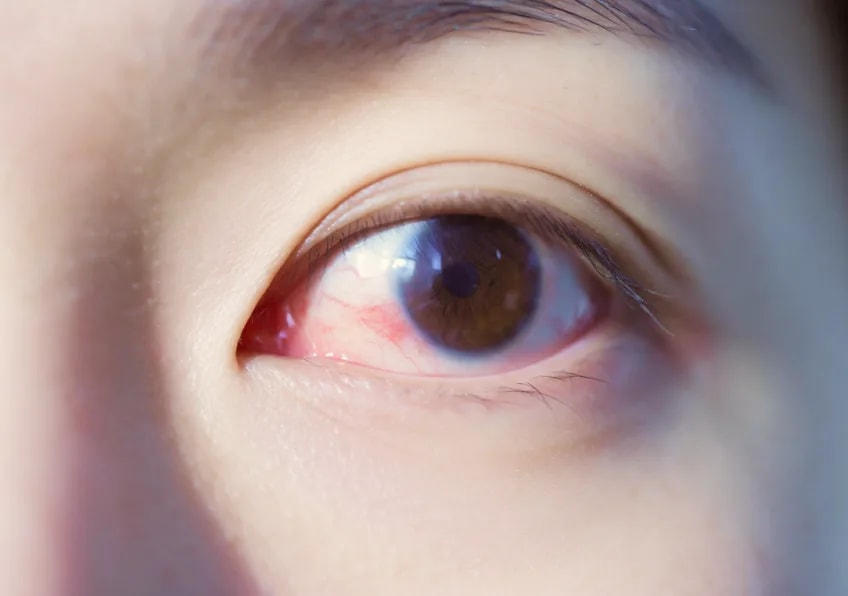
Redness
Blood vessels in the white of the eye increase,
making the eye look red.
Foreign-body Sensation · Irritation
You may feel discomfort or irritation,
as if something is in your eye.
Vision Changes
Vision may decline if it advances toward the center
of the cornea or affects the corneal shape.
What causes pterygium?
The exact cause is unknown, but long-term UV exposure and environmental factors are known to be the main risk factors.

Strong UV Light
Prolonged exposure to sunlight is known
to increase the risk of pterygium.
Dry Environments
Irritants such as dry air, dust and wind
can affect the surface of the eye.
Genetic Factors
Family history and individual genetic factors
may also play a role.
When does pterygium need treatment?
Treatment depends on the size, progression and symptoms of the pterygium.
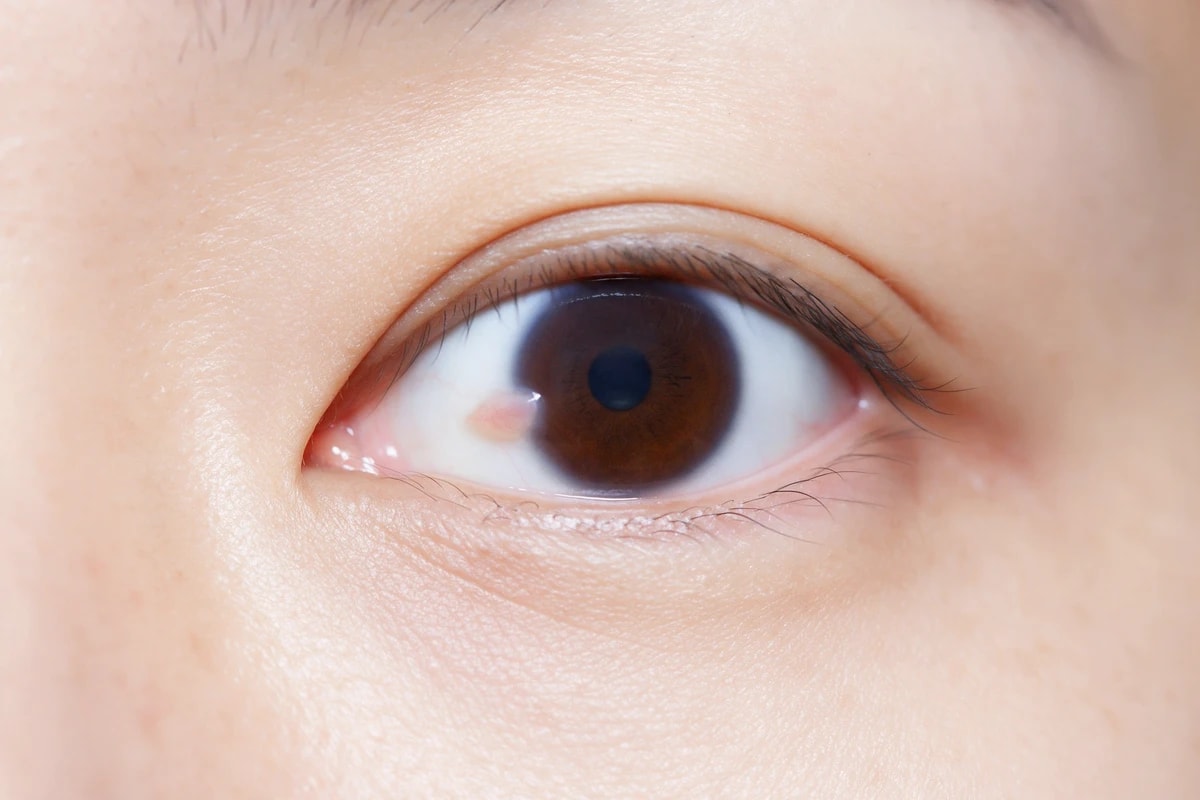
Early
Regular monitoring and symptom management are possible.
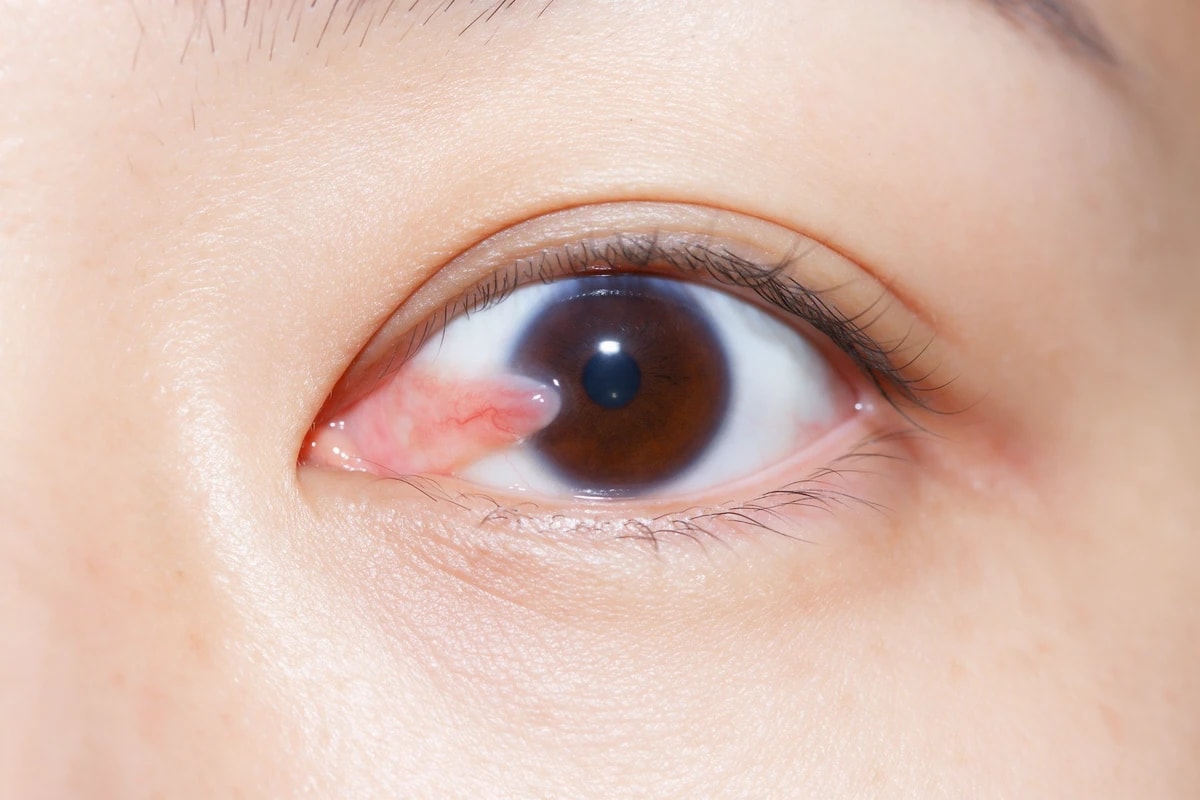
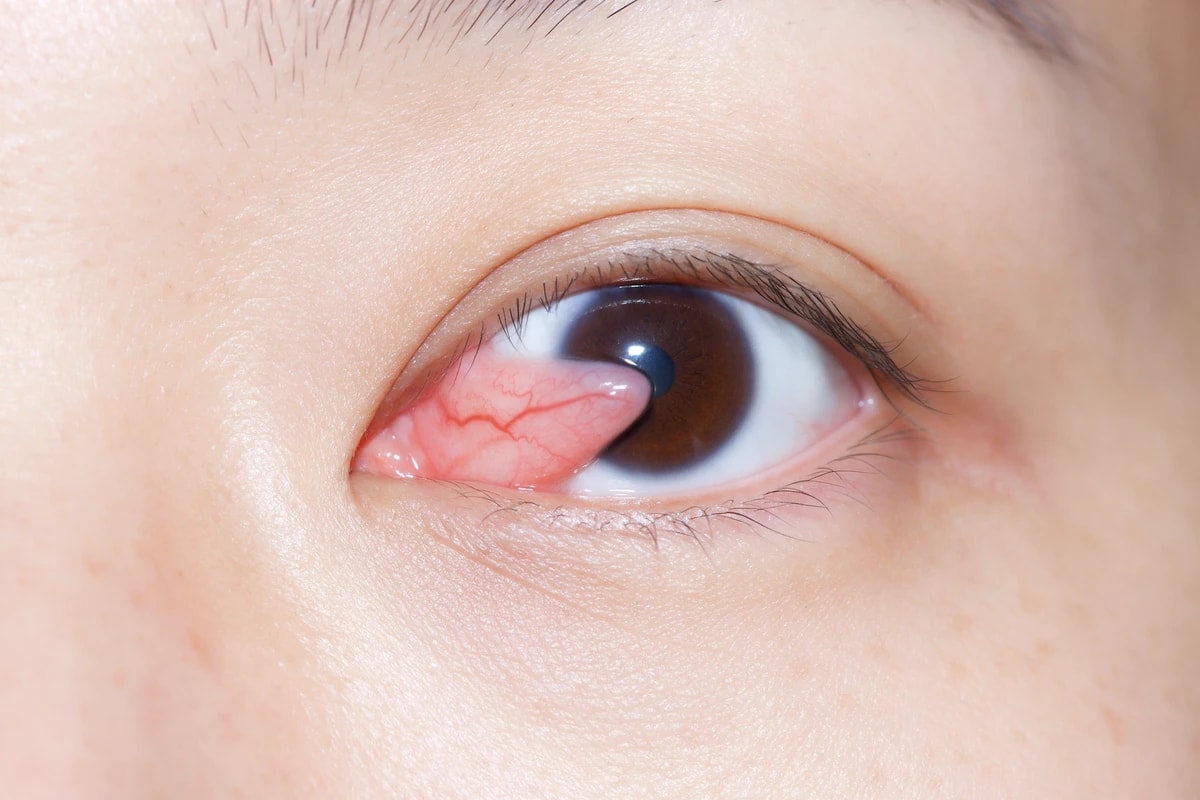
0103
How is pterygium treated?
Depending on its condition and progression, medication or surgery may be used.
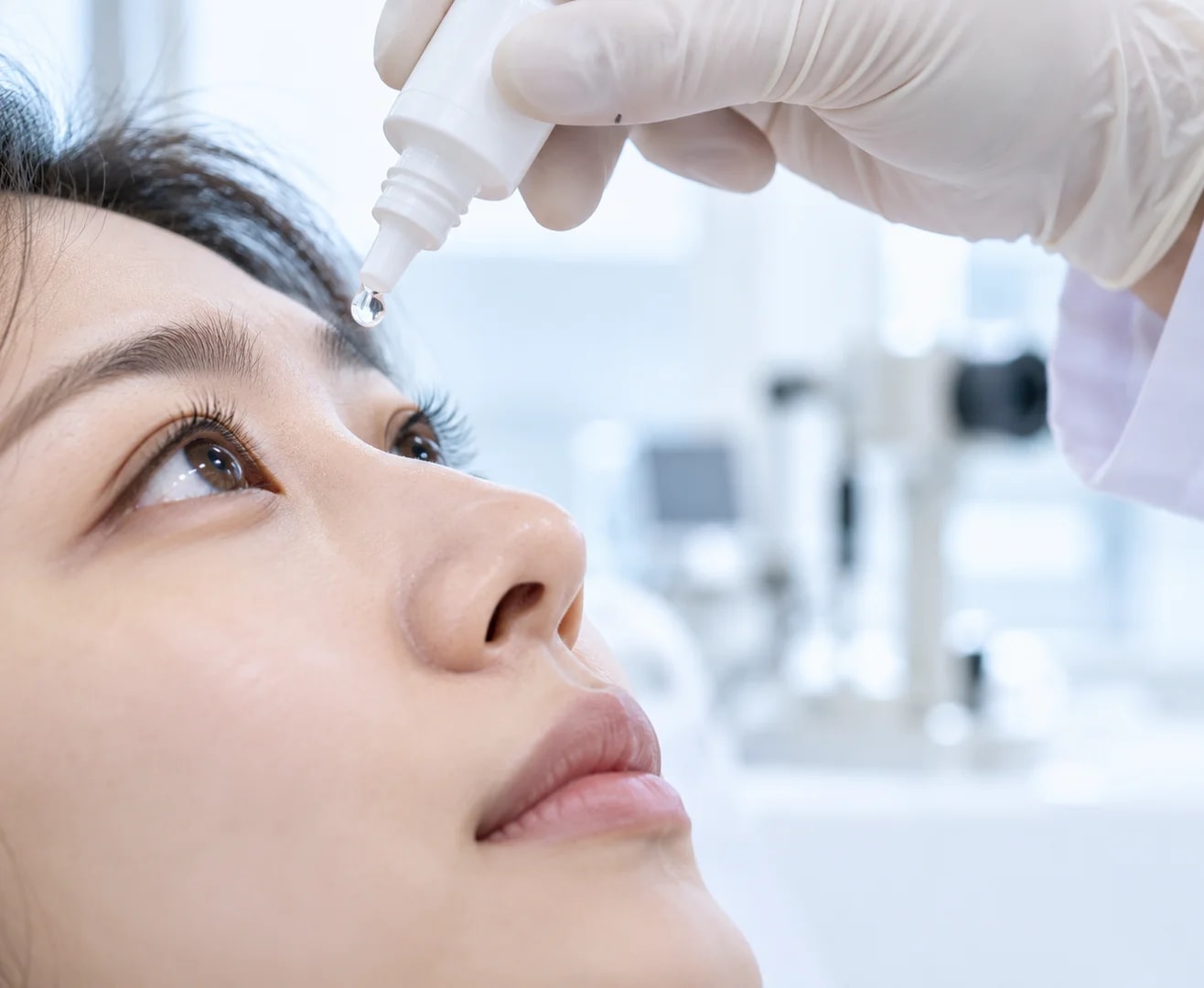
Medication
Eye drops may be used to relieve symptoms
such as redness, inflammation and irritation.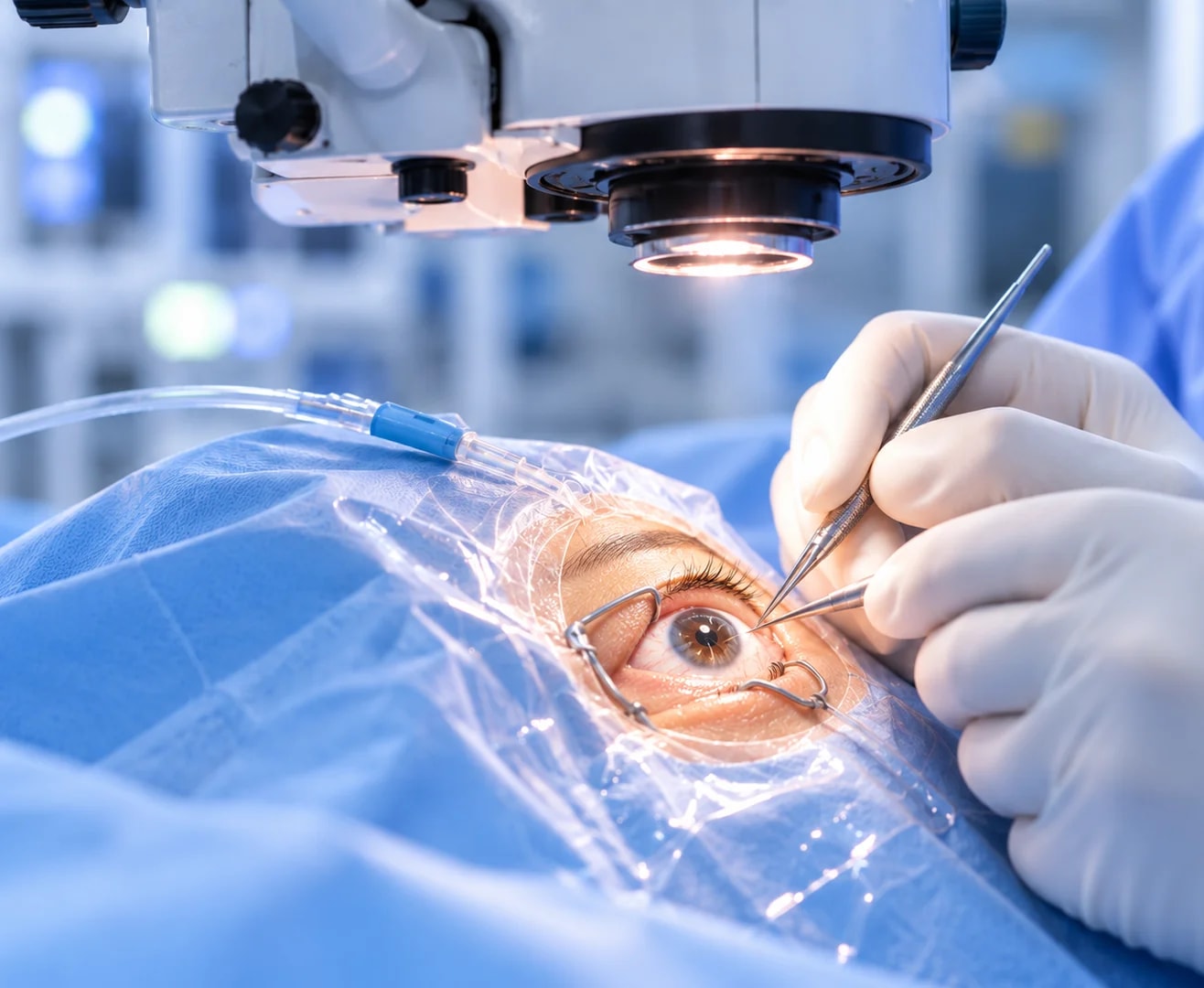
Surgery
If the pterygium has advanced significantly or causes recurring symptoms or reduced vision,
removal surgery may be considered.
Pterygium care starts with an accurate exam
After checking the size and location of the pterygium and the extent of corneal involvement,
we decide on a treatment plan suited to your eyes.