From pre-op examination to choosing your intraocular lens
Bring blurred vision back into focus with
cataract surgery
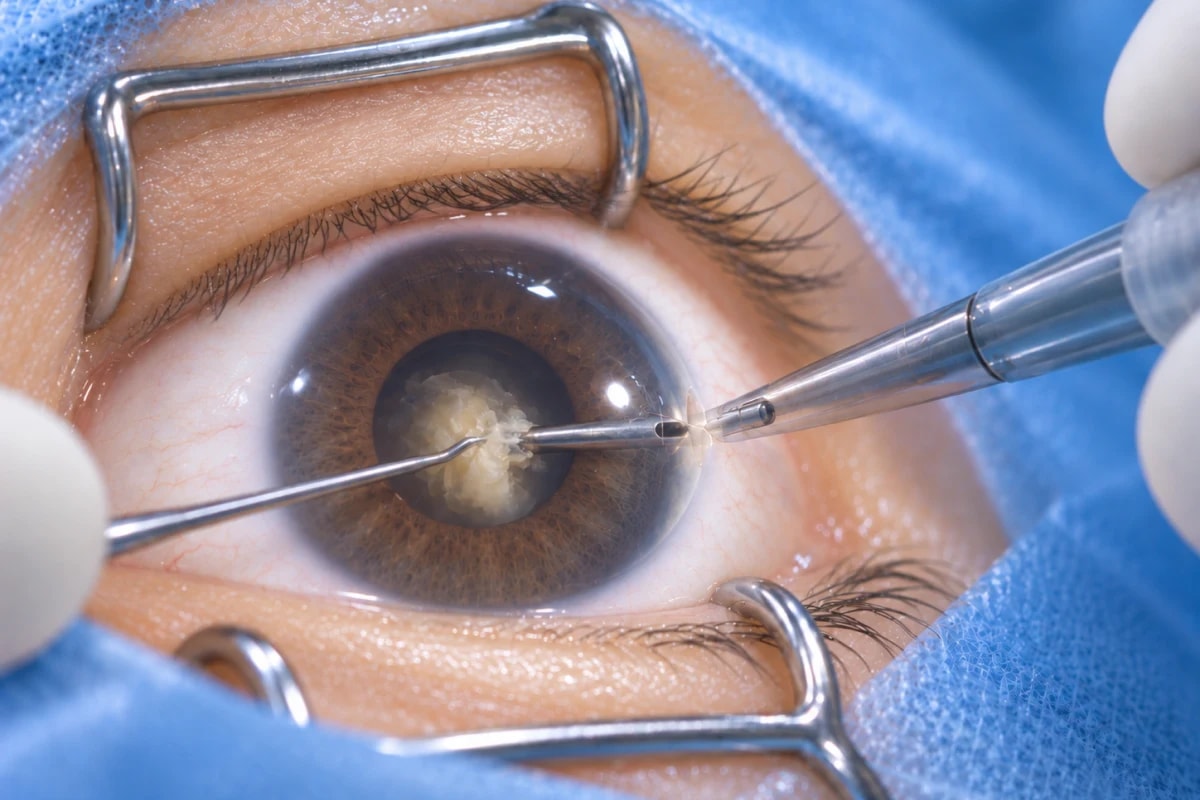
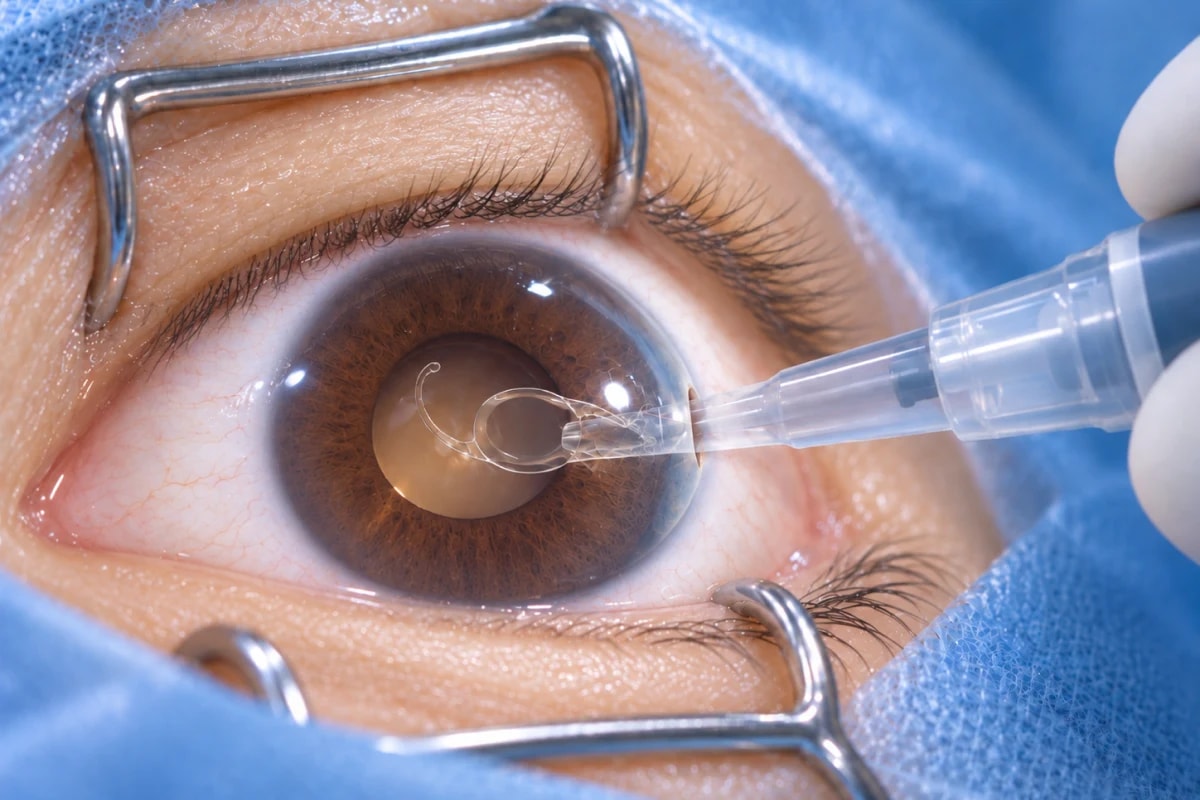
We remove the clouded natural lens and
replace it with an intraocular lens suited to your eye, restoring clear vision.
What is a cataract?
A cataract is a condition in which the clear lens inside the eye becomes cloudy, preventing light from passing through properly.
It begins with slightly blurry vision or light scattering, but as it progresses it can interfere with daily life.
Left untreated, the lens can harden and make surgery more difficult, so regular check-ups to determine the right timing are important.


Changes in vision from cataracts in daily life
If you notice the following symptoms, a cataract may be developing.
If 3 or more apply, we recommend a detailed examination.

Blurry Vision
Things look hazy, as if through fog

Glare · Halos
Discomfort with bright light or night lighting

Color Changes
Colors look dull or yellowish

Double Vision
Objects may look doubled even with one eye

Poor Night Vision
Vision may dim at night, and streetlights or
car headlights may appear to blur or spread.
Frequent Prescription Changes
Your glasses prescription may change often
3 or more apply? Check how far your cataract has progressed and when to have surgery with a detailed examination
How does cataract surgery work?
It proceeds in 5 steps, from detailed examination to post-op follow-up.

Examination & Consultation
We check your eye condition, visual discomfort and lifestyle.


0105
Intraocular lenses are chosen to suit your eyes and lifestyle
Each type of intraocular lens has a different focal range and adaptation profile.
Rather than deciding on one lens’s advantages alone, we consider your test results and the viewing distances you use most.

NearBooks · Phone

IntermediateComputer · Cooking · Dashboard

DistanceDriving · TV · Outdoor activities
What we check together before surgery
- Condition of the cornea and retina
- Driving and nighttime activities
- Occupation and hobbies
- Degree of myopia, hyperopia and astigmatism
- How often you read or use a smartphone
- Your preference regarding glasses
The decision is made after consultation with your doctor, considering both test results and lifestyle
Types of intraocular lenses
Intraocular lenses used in cataract surgery fall into three main types by focal range.
To correct presbyopia at the same time, you can choose a multifocal lens.
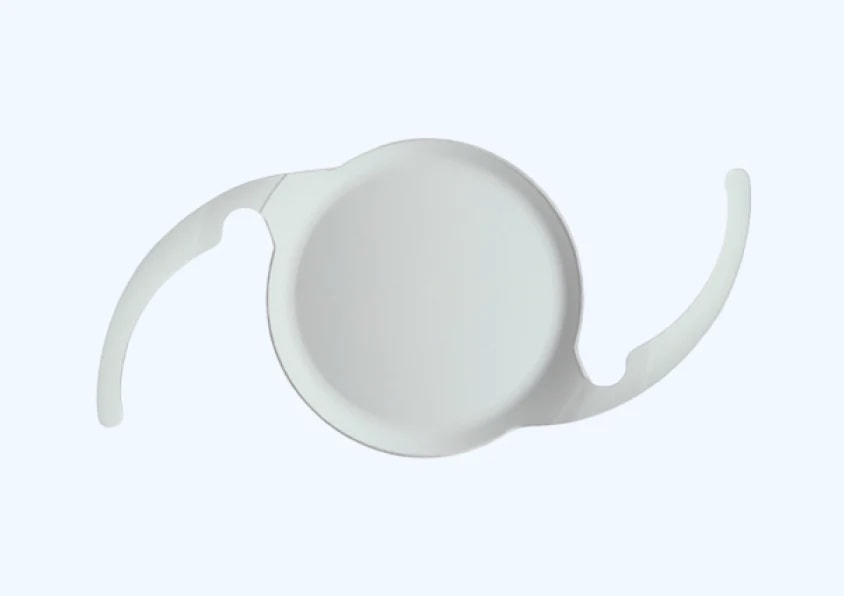
Monofocal Lens
Focused at one distance · Reading glasses for near
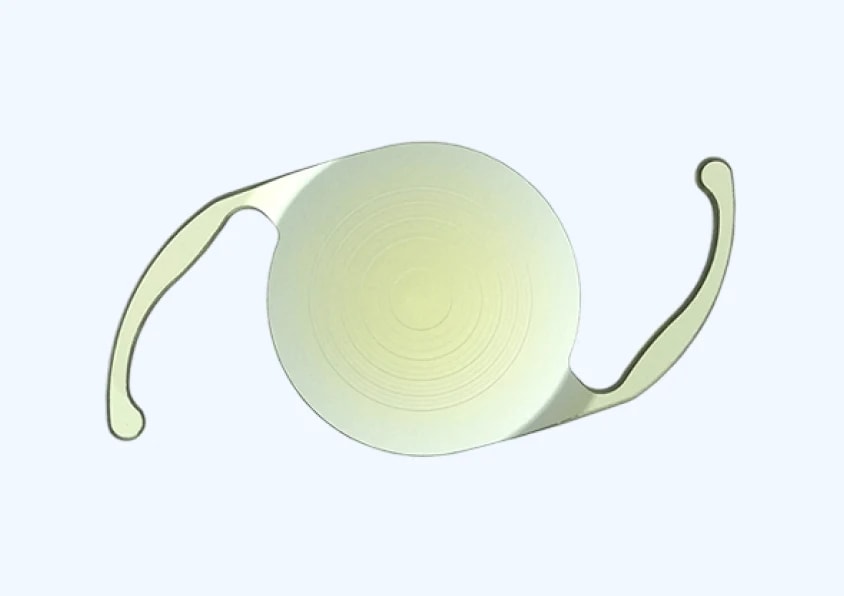
Multifocal Lens
Covers near, intermediate and distance; corrects presbyopia
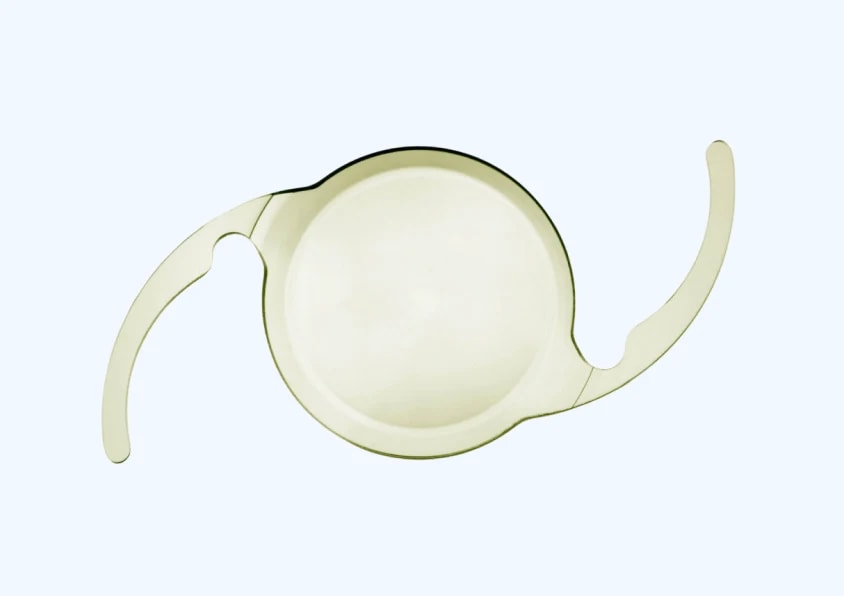
Extended Depth of Focus (EDOF)
Distance + everyday near vision, fewer halos
A detailed pre-op examination to assess your eyes precisely
Beyond how far the cataract has progressed, we comprehensively assess the cornea, retina, optic nerve, eye structure and your lifestyle to plan your surgery.
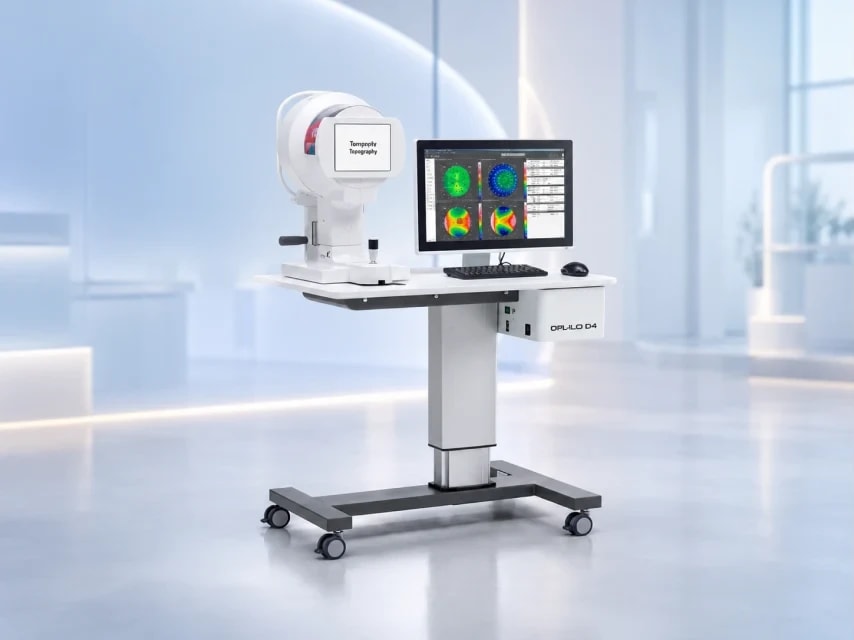
Galilei
Detailed corneal shape analysis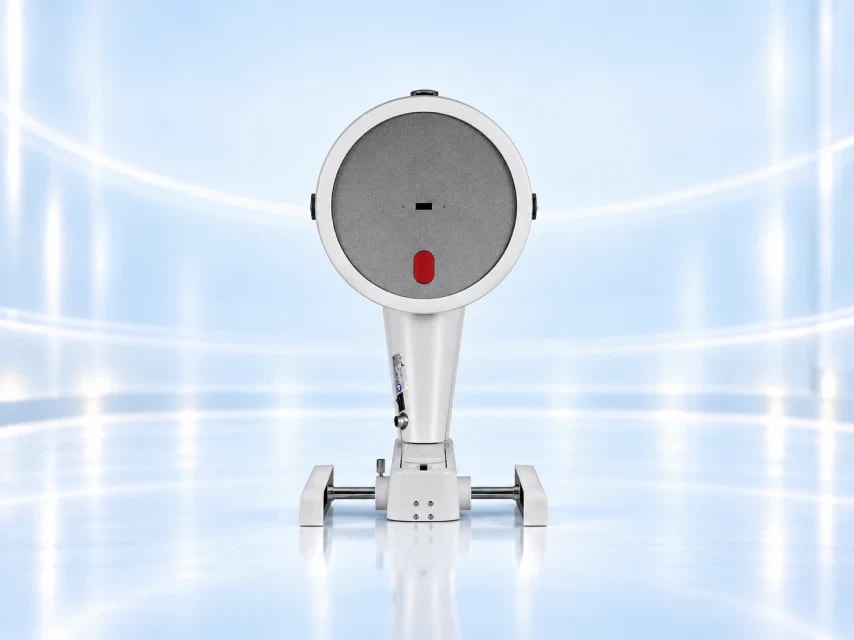
Pentacam
3D anterior segment imaging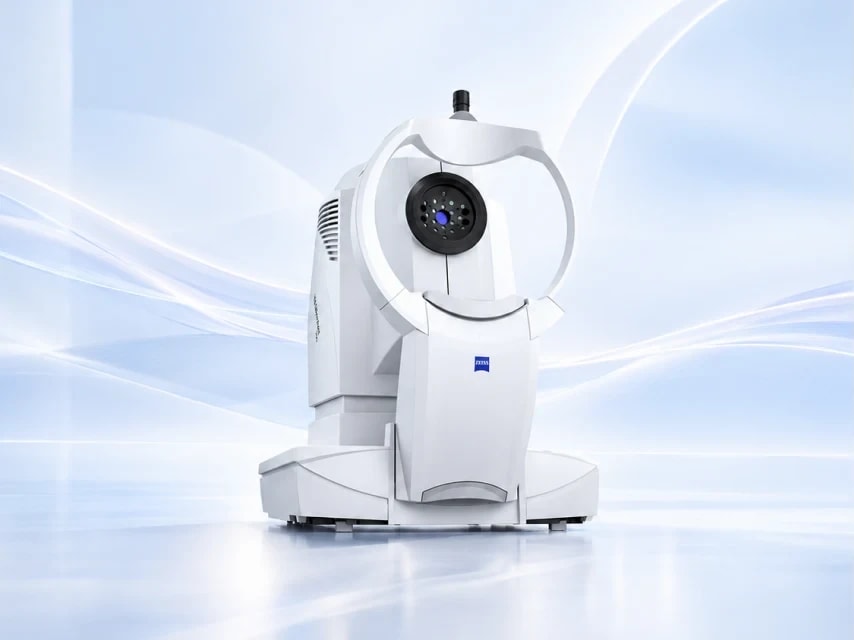
IOLMaster
IOL power calculation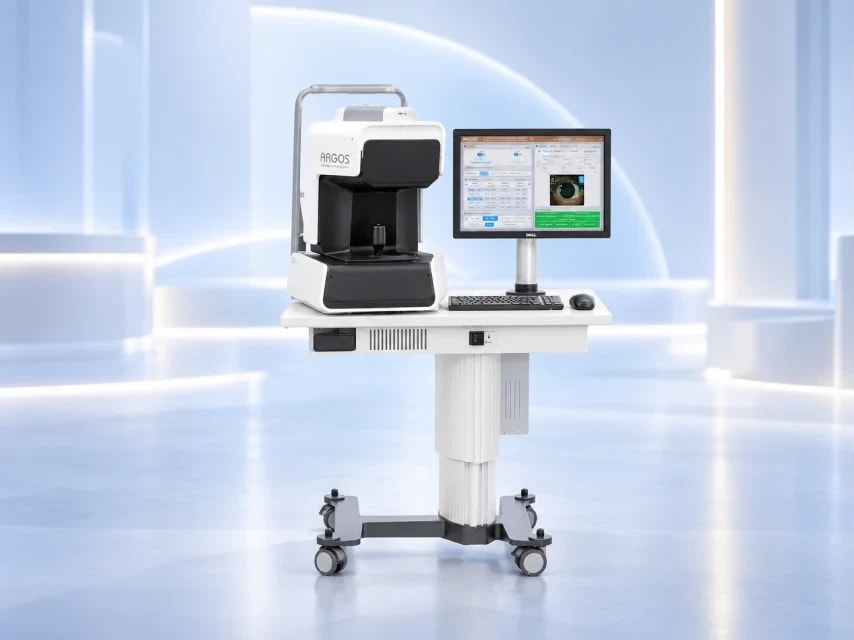
Verion
Surgical planning · guidance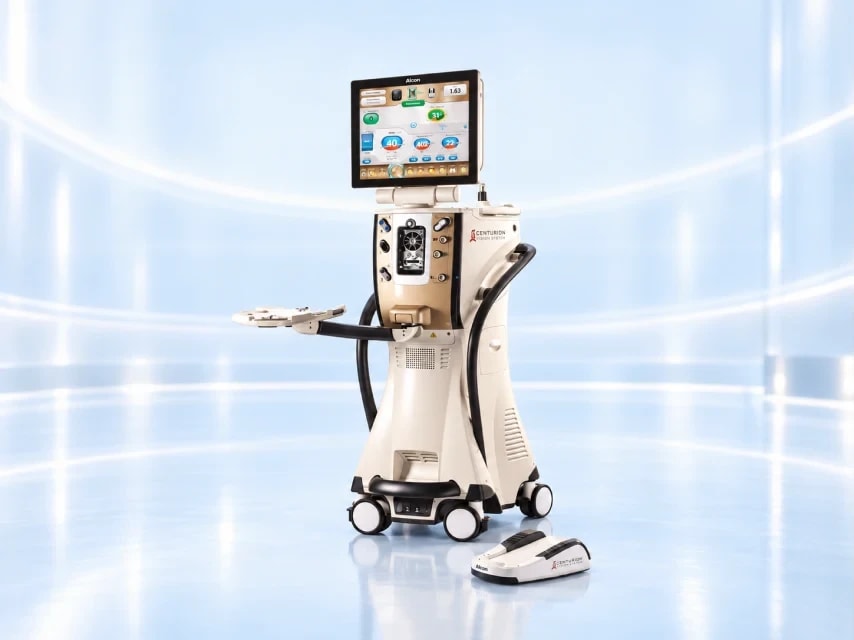
Centurion (Surgical System)
Cataract surgery system that safely removes the clouded lens, linked with examination data
Visual Acuity & Refraction Tests
Measures current vision and degree of refractive error
Frequently Asked Questions
In the early stages they can be monitored, but if left untreated the clouding worsens and the lens can harden, making surgery more difficult. Regular check-ups to determine the right timing are important.
Performed personally by our experienced surgeons, it takes about 10 minutes, not including preparation and recovery time.
It is performed under anesthetic eye drops, so discomfort is generally minimal.
It is decided in consultation with your doctor based on detailed test results and your lifestyle. You can also choose a multifocal lens that corrects presbyopia.
Choosing a multifocal intraocular lens allows cataract treatment and presbyopia correction together. See the Presbyopia Lens Implant page for details.
The first step toward cataract surgery
Start by accurately checking your vision and eye condition
Whether to have cataract surgery and which intraocular lens to choose are decided through consultation after a detailed examination.

Cataract Pre & Post-op Care
Before surgery, tell your medical team about any medications and existing eye conditions, and avoid eye makeup on the day of surgery.
After surgery, do not rub or press your eyes, and take care not to get water or foreign matter in them.
In the early recovery period, avoid strenuous exercise and heavy lifting, and use your prescribed eye drops as directed.
Regular check-ups to monitor your eyes after surgery are also important.
See below for detailed pre- and post-op precautions and care for cataract surgery.
Recommended Reading
Explore more information and stories about cataract surgery.



BGN EVENT
Don’t miss out on BGN benefits. Check out our current events.